Sewing Culture: The People, Places and Traditions of Sewing (2026)
Sewing is more than a technique. It shaped industries and labor laws, filled language with phrases, inspired festivals and folklore, and fills museums around the world.
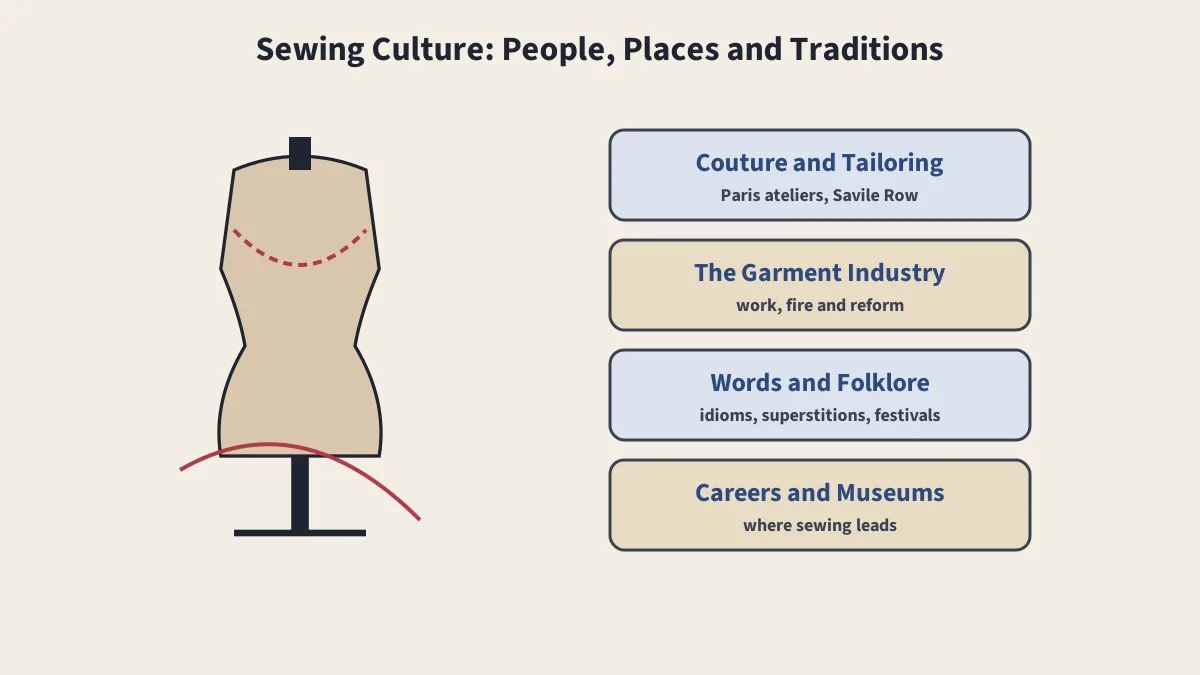
In This Article
Sewing Culture in Brief
- Couture: Paris haute couture, Savile Row
- Industry: labor, disasters and reform
- Work: seamstresses, tailors and careers
- Folklore: idioms, superstitions, festivals
- Collections: textile museums worldwide
Sewing touches almost every part of life, and its culture reaches far beyond the sewing room. These guides cover the world of high fashion and tailoring, the industry that makes most of our clothes, the people who sew for a living, and the words, festivals and museums that sewing has inspired.
Couture and Tailoring
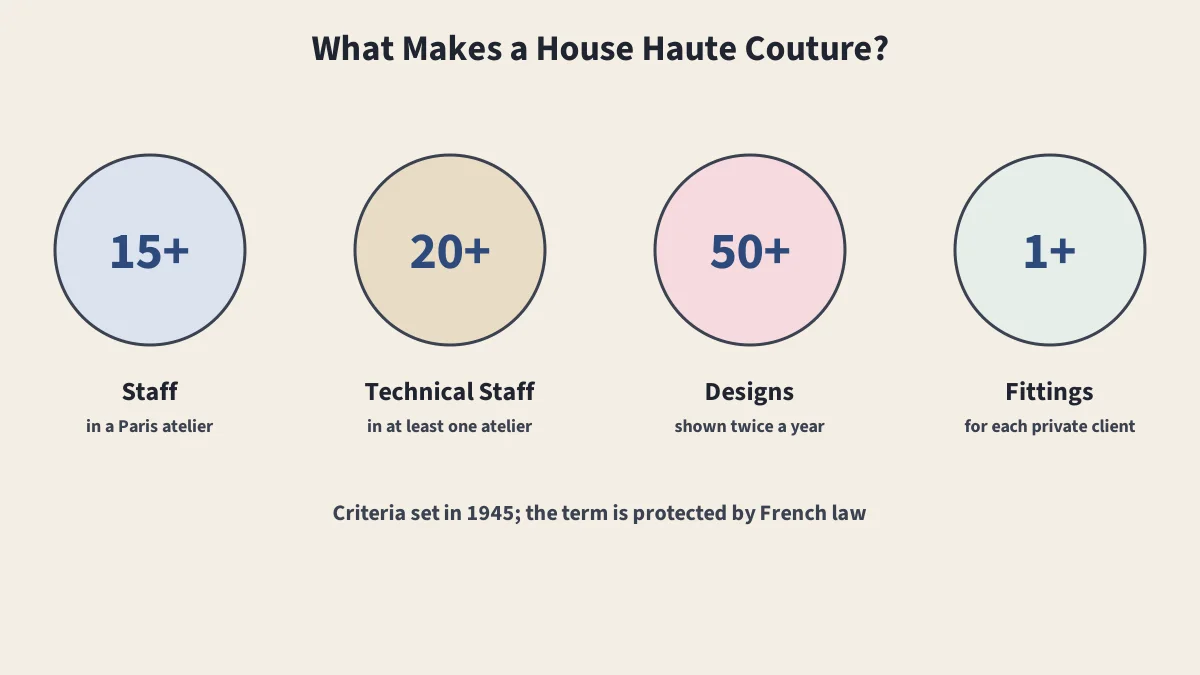
History of Haute Couture
Worth, the 1945 rules and couture today.
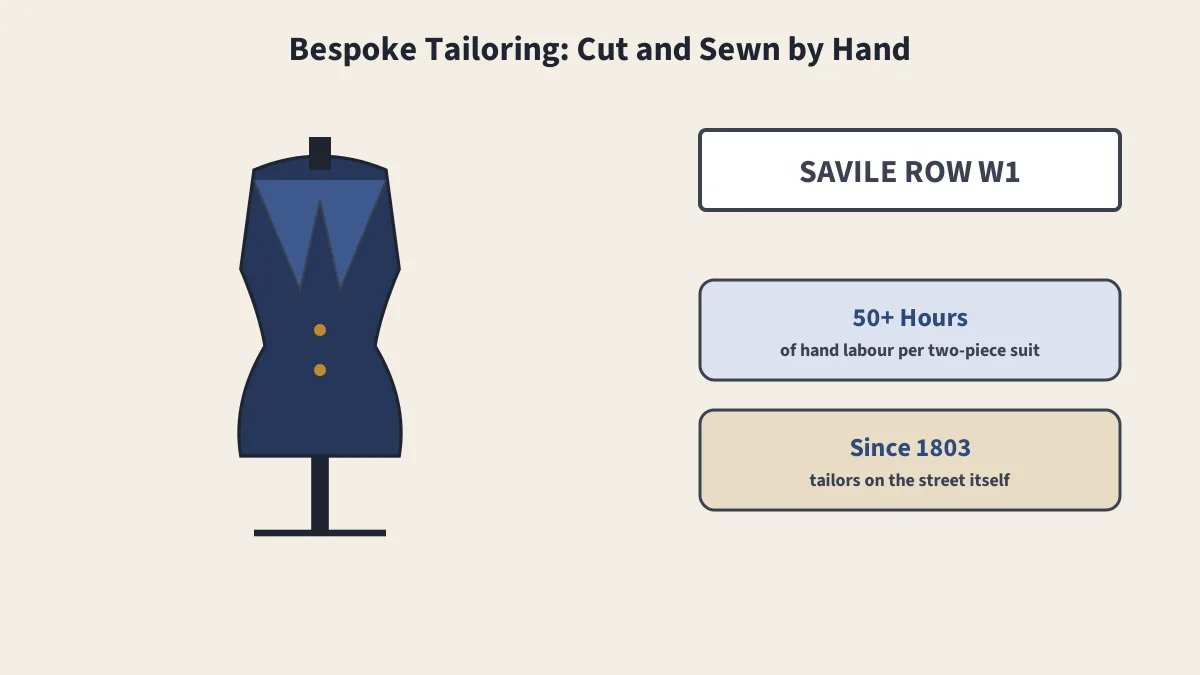
Savile Row and Bespoke Tailoring
The street, its tailors and what bespoke means.
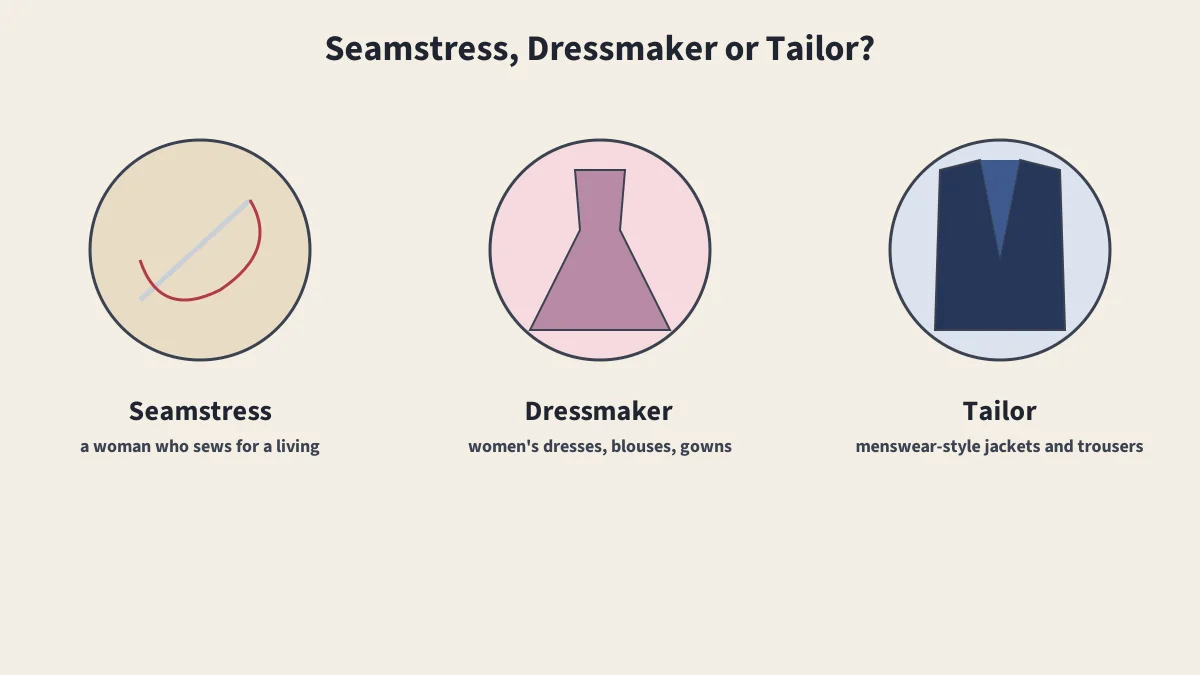
Seamstress vs. Tailor vs. Dressmaker
Who does what, and the old names for each.
Industry and History
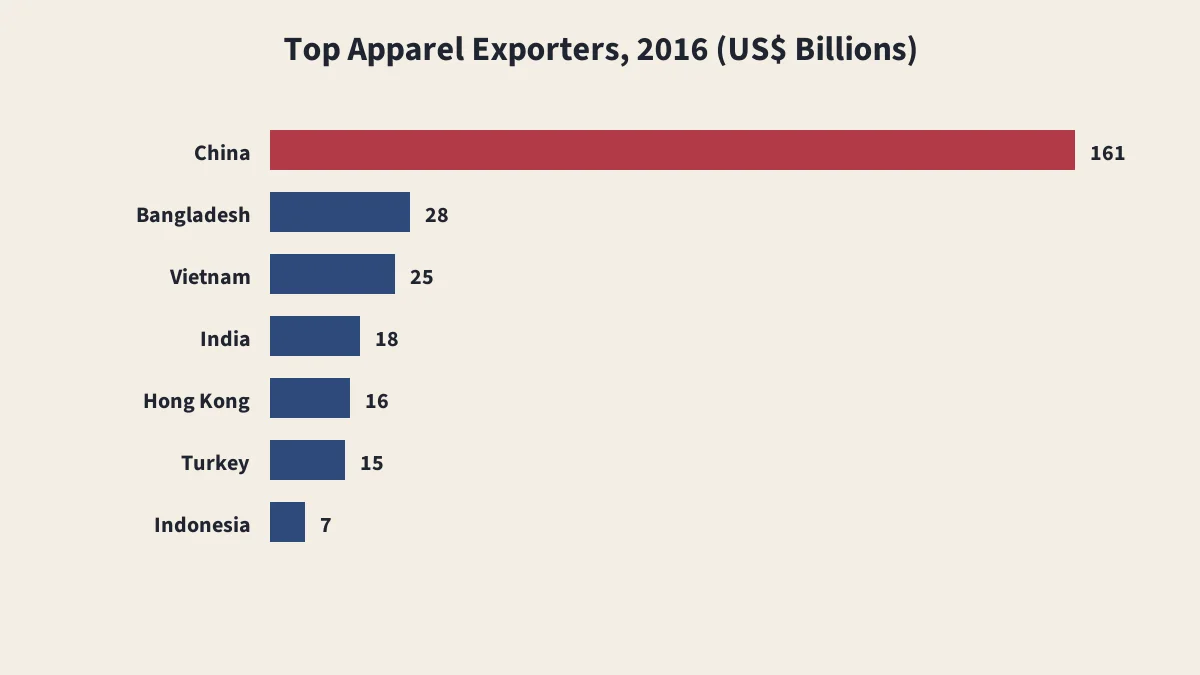
History of the Garment Industry
Industrialization, sweatshops, Rana Plaza and fast fashion.
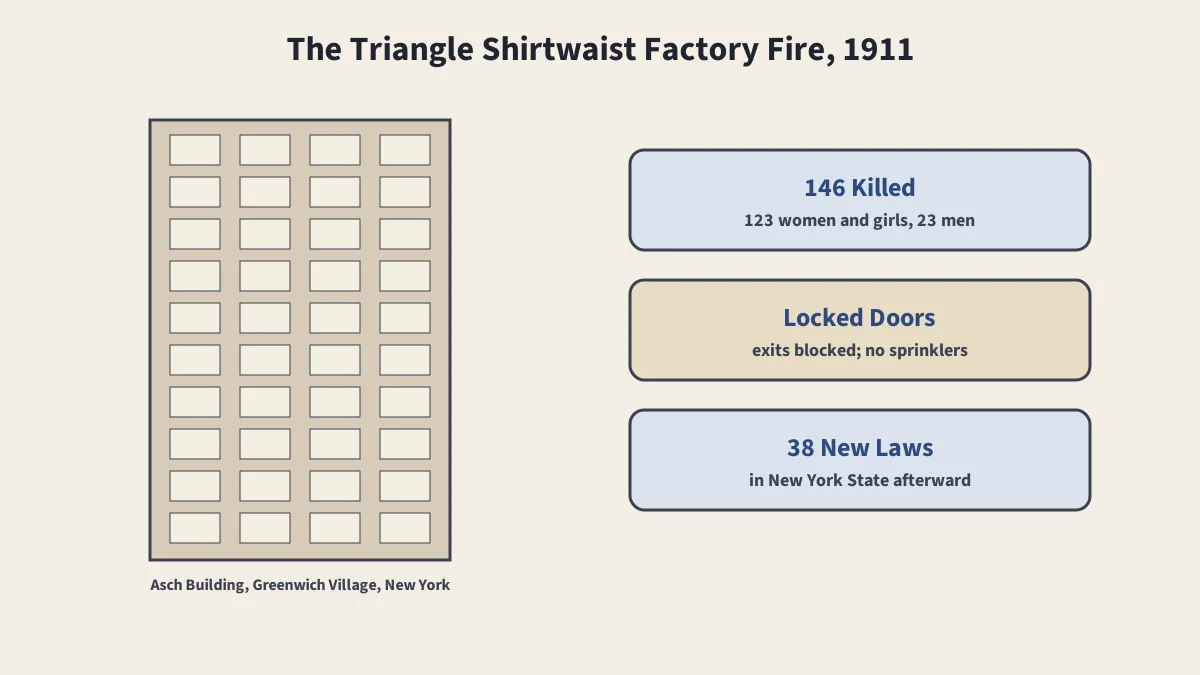
The Triangle Shirtwaist Factory Fire
The fire, its victims and the reforms that followed.
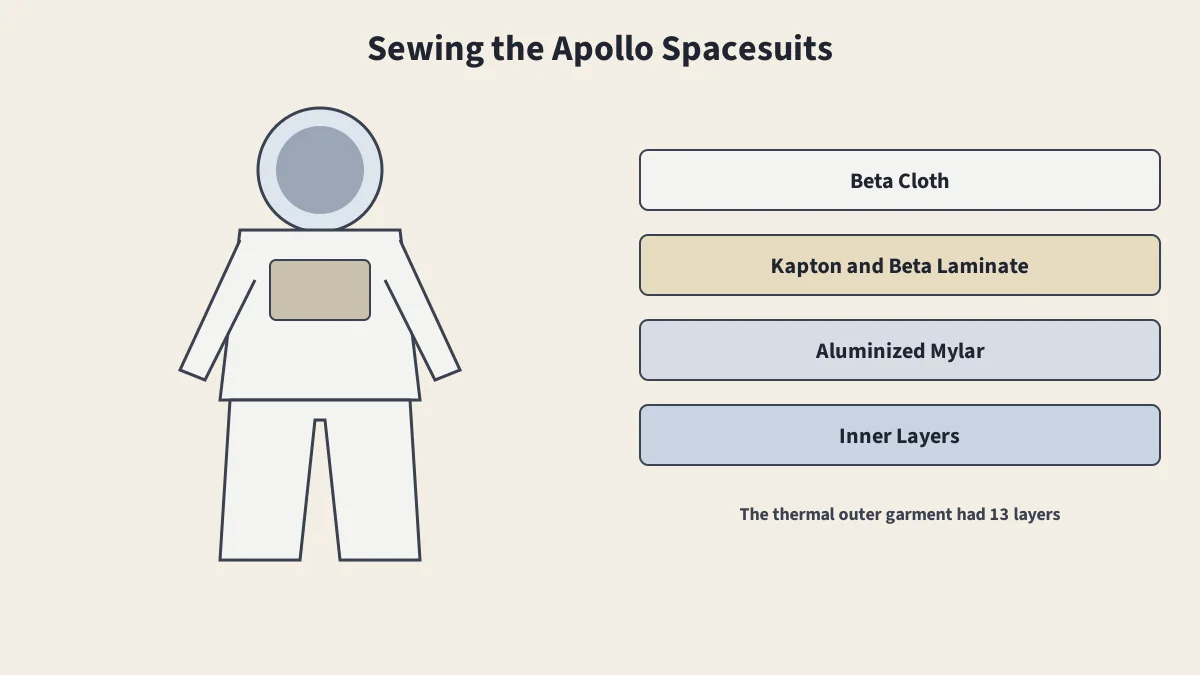
The Apollo Spacesuit Seamstresses
The team behind the Apollo A7L suits.
Words, Folklore and Festivals
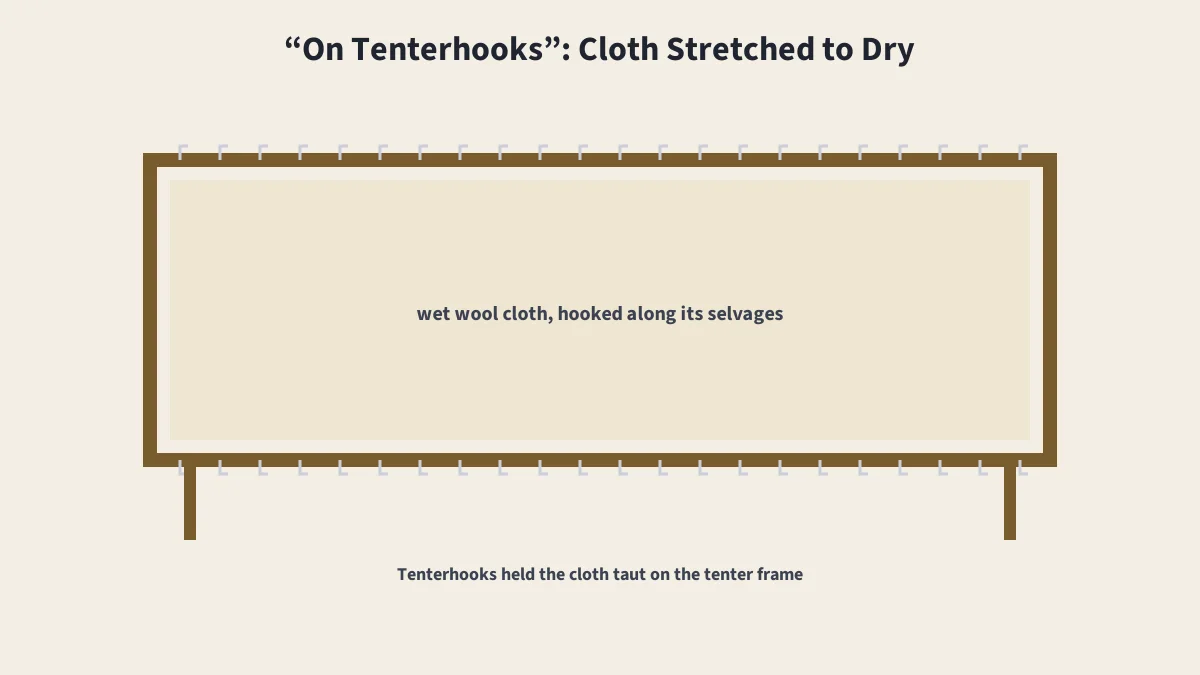
Sewing Idioms and Their Origins
Phrases from cloth-making, with verified origins.
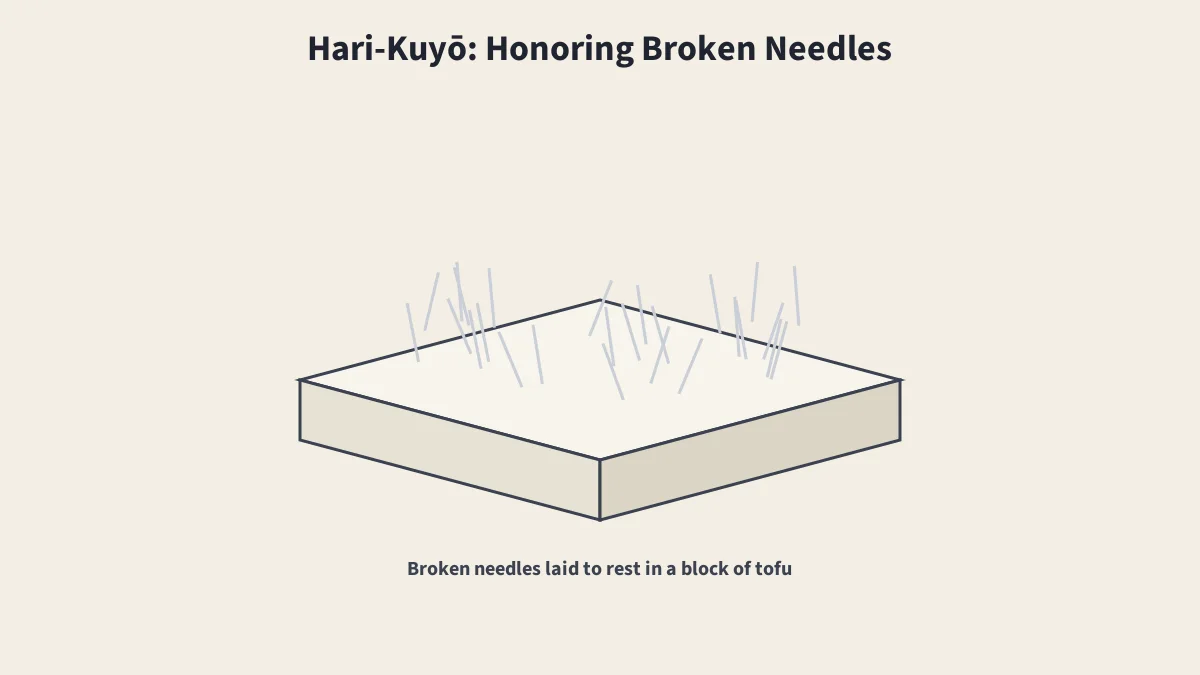
Sewing Superstitions and Folklore
Needle memorials, needle-threading contests and old beliefs.
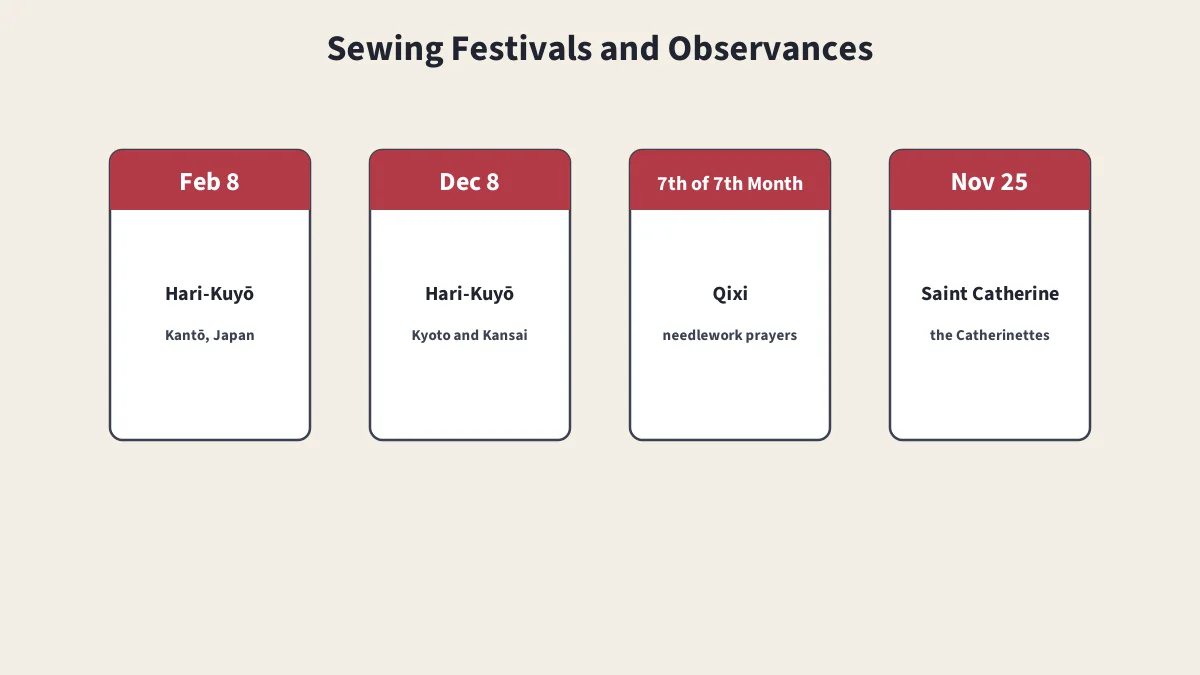
Sewing Holidays and Observances
Hari-Kuyō, Qixi and Saint Catherine's Day.
Careers and Museums
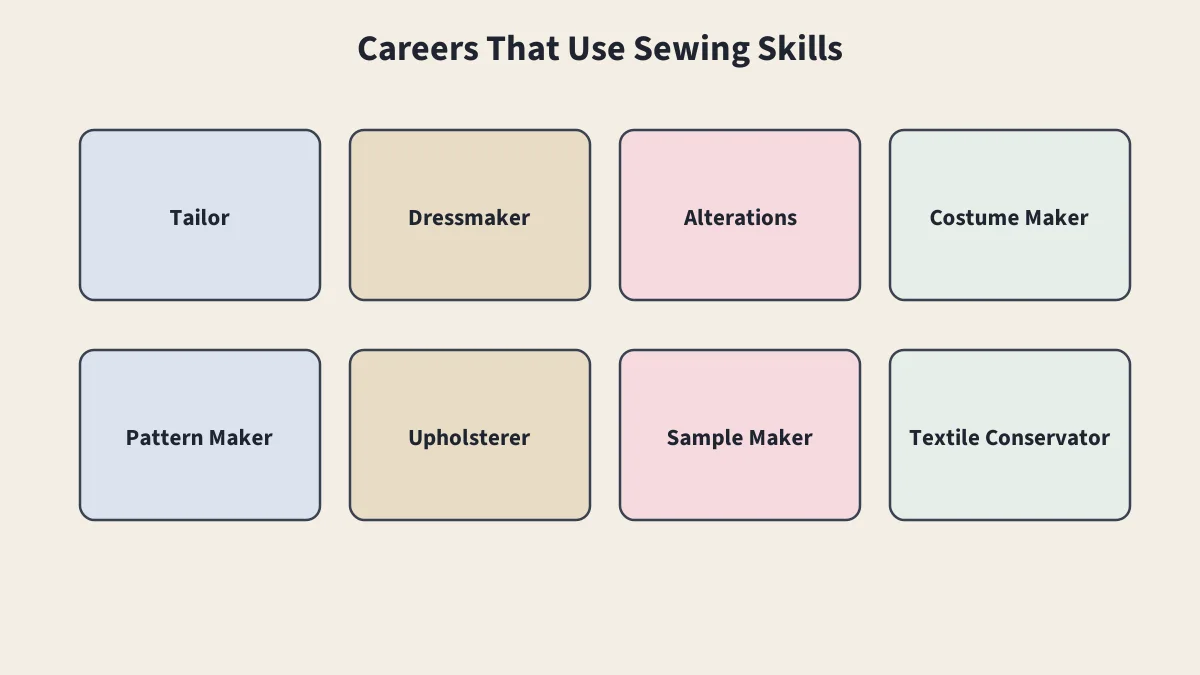
Sewing Careers
Tailoring, costume, pattern making and more.
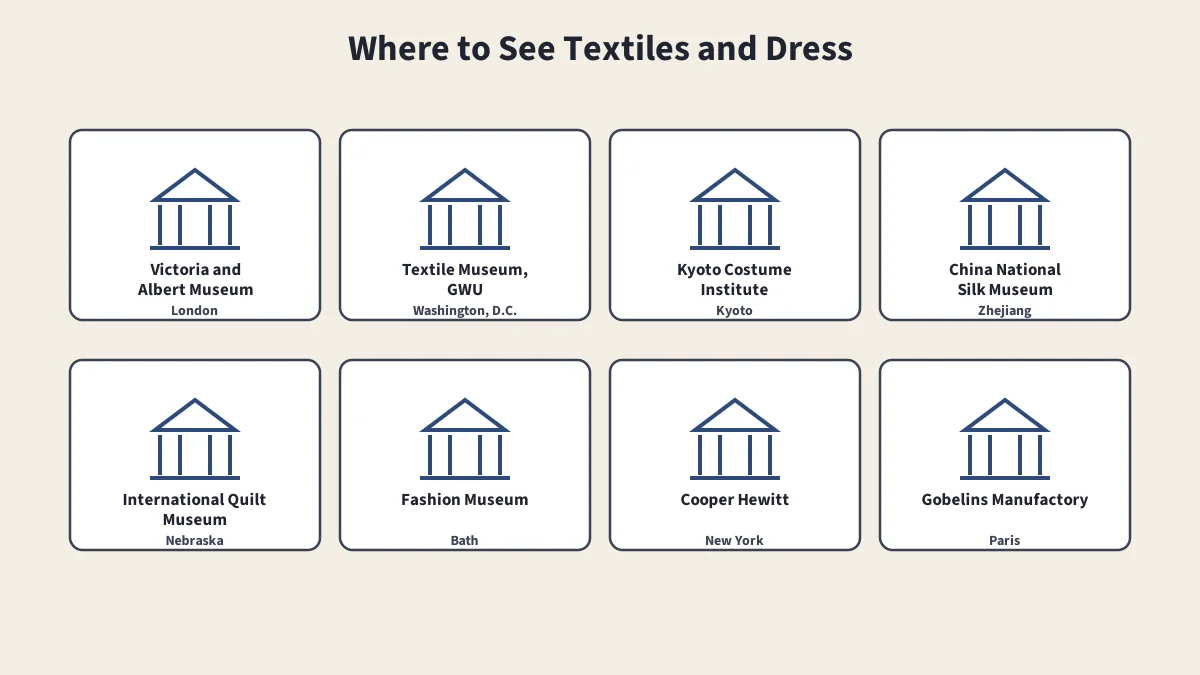
Textile Museums Worldwide
Notable textile, fashion and quilt museums.
For the inventions behind these stories, see the sewing history section, and for how clothes were made in earlier centuries, see historical dress.
Sources
- Garment industry, Wikipedia
- Spinster, Wikipedia
Frequently Asked Questions
What does sewing culture cover?
The people and institutions around sewing, from couture houses and tailors to garment workers, and the traditions it has inspired, including festivals, folklore, sayings and museums.
Why does the garment industry matter in sewing history?
Because most clothing is now made in factories, and disasters such as the 1911 Triangle Shirtwaist Factory fire and the 2013 Rana Plaza collapse shaped labor laws and debates about how clothes are made.
Are there festivals for sewing?
Yes. In Japan, Hari-Kuyō honors broken needles, and the Chinese Qixi festival was traditionally a day for girls to pray for skill in needlework.
Where can I see historical textiles?
Major collections include the Victoria and Albert Museum in London, the Textile Museum in Washington, D.C., and the Kyoto Costume Institute.
Keep Reading
History of Haute Couture
Worth, the 1945 rules and couture today.
History of the Garment Industry
Industrialization, sweatshops, Rana Plaza and fast fashion.
Sewing Idioms and Their Origins
Phrases from cloth-making, with verified origins.
Textile Museums Worldwide
Notable textile, fashion and quilt museums.