Historical Dress: How Clothes Were Made and Worn, 1700s–1920s (2026)
For most of history, every garment was cut and sewn by hand, and its shape depended on what was worn underneath. These guides explain how historical clothes were built, layer by layer.
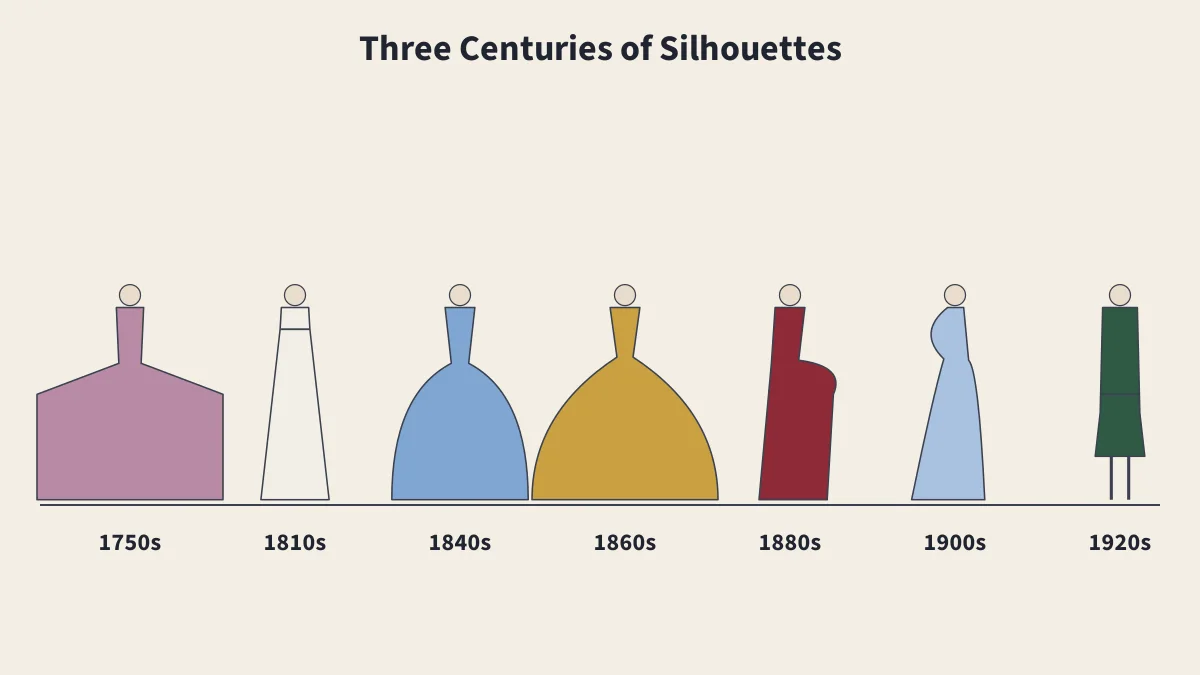
In This Article
Historical Dress in Brief
- Before machines: every seam by hand
- Shaping: stays, corsets, hoops and bustles
- Layers: chemise, stays, petticoats, gown
- Eras: 18th century to the 1920s
- Research: surviving garments and scale patterns
A historical gown was a system of layers. Linen next to the skin protected outer clothes from sweat; stays or a corset shaped the torso; petticoats, hoops or bustles shaped the skirt; and the gown on top was cut and fitted to that structure. These guides follow how that system changed from the 18th century to the 1920s.
Construction and Layers
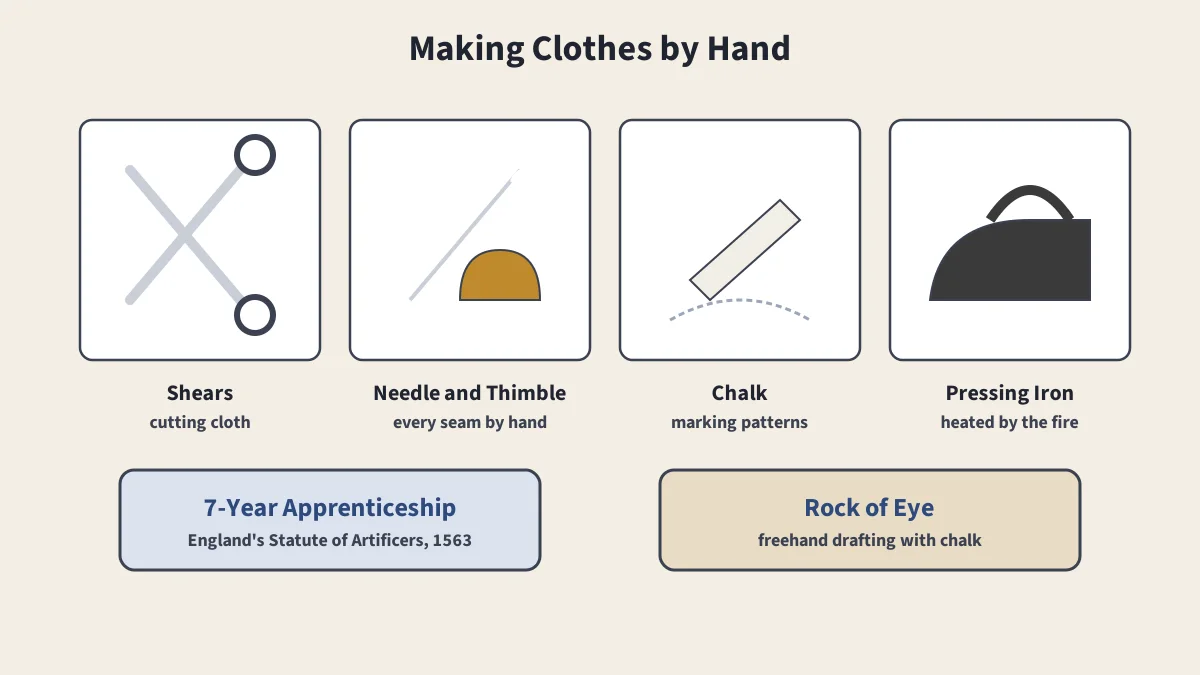
Before Sewing Machines
Tailors, dressmakers and hand sewing before machines.
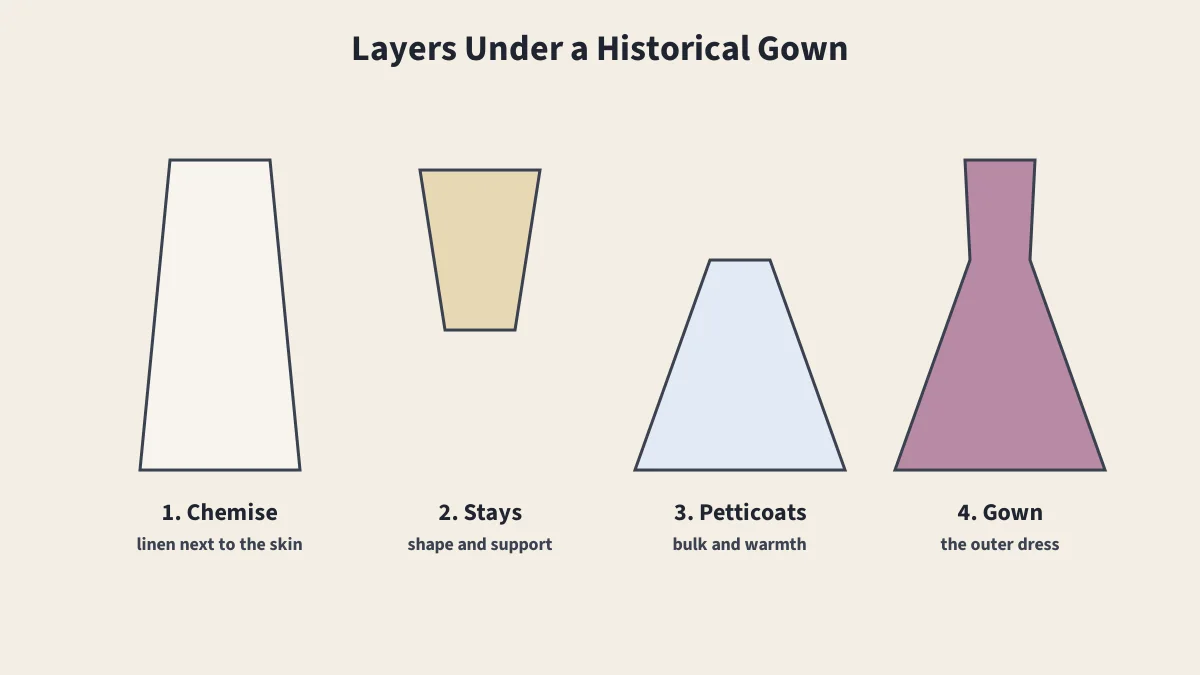
Historical Undergarments
Chemises, shifts, stays and petticoats.
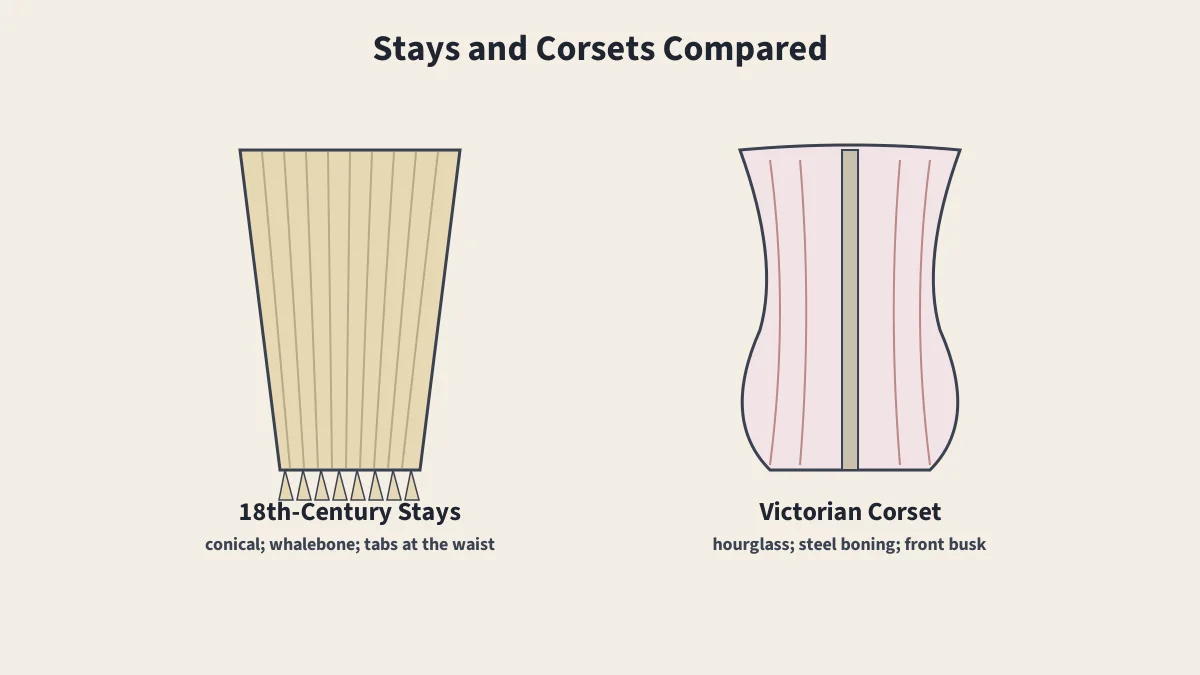
Corsets and Stays
Bodies, stays and corsets through the centuries.
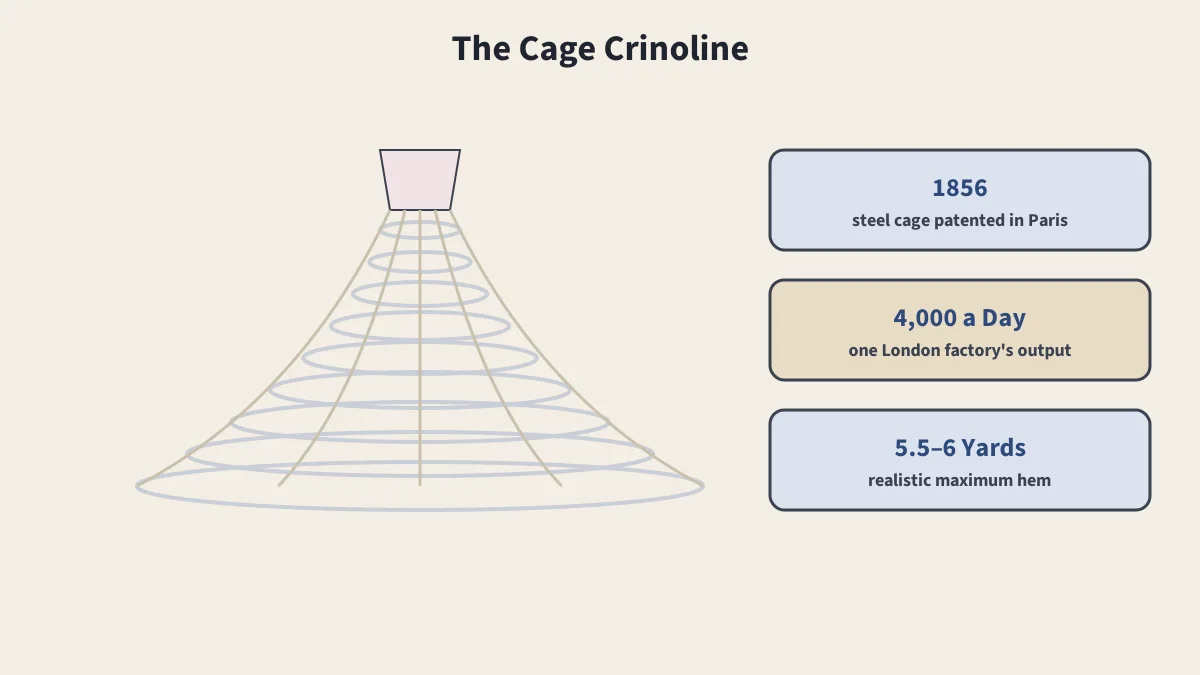
Crinolines and Hoop Skirts
Horsehair petticoats and steel cage crinolines.
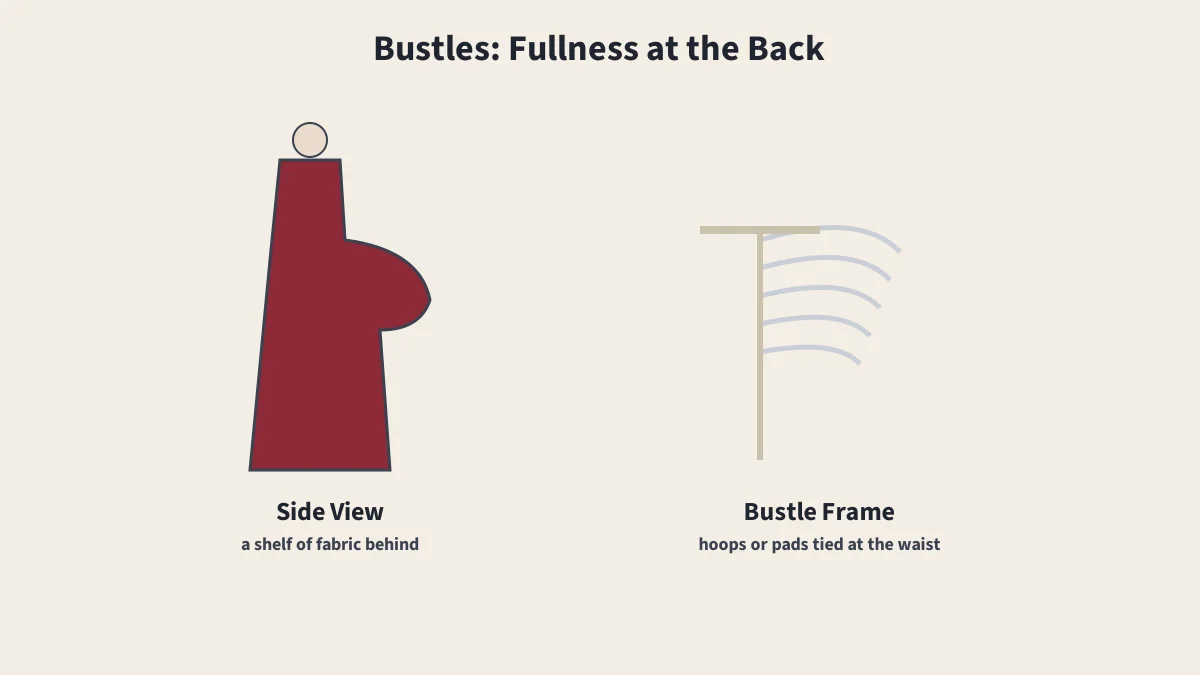
Bustles
Bum rolls, crinolettes and Victorian bustles.
Dress Through the Eras
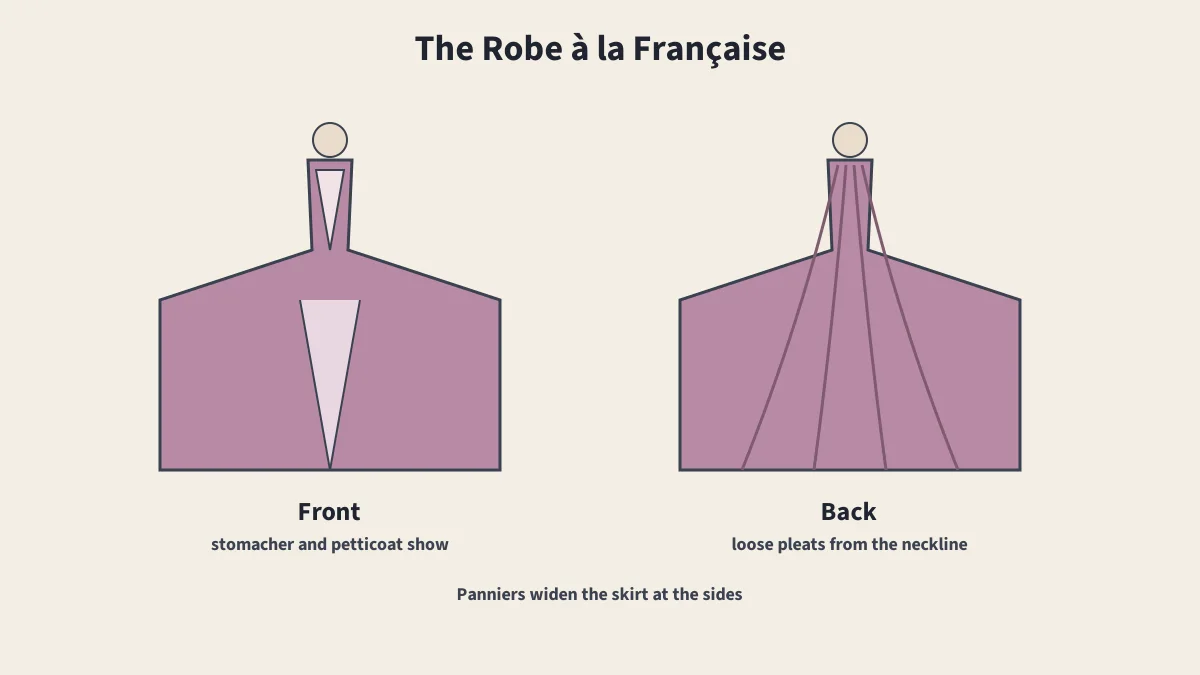
17th and 18th-Century Dress
Mantuas, sack-back gowns, stomachers and panniers.
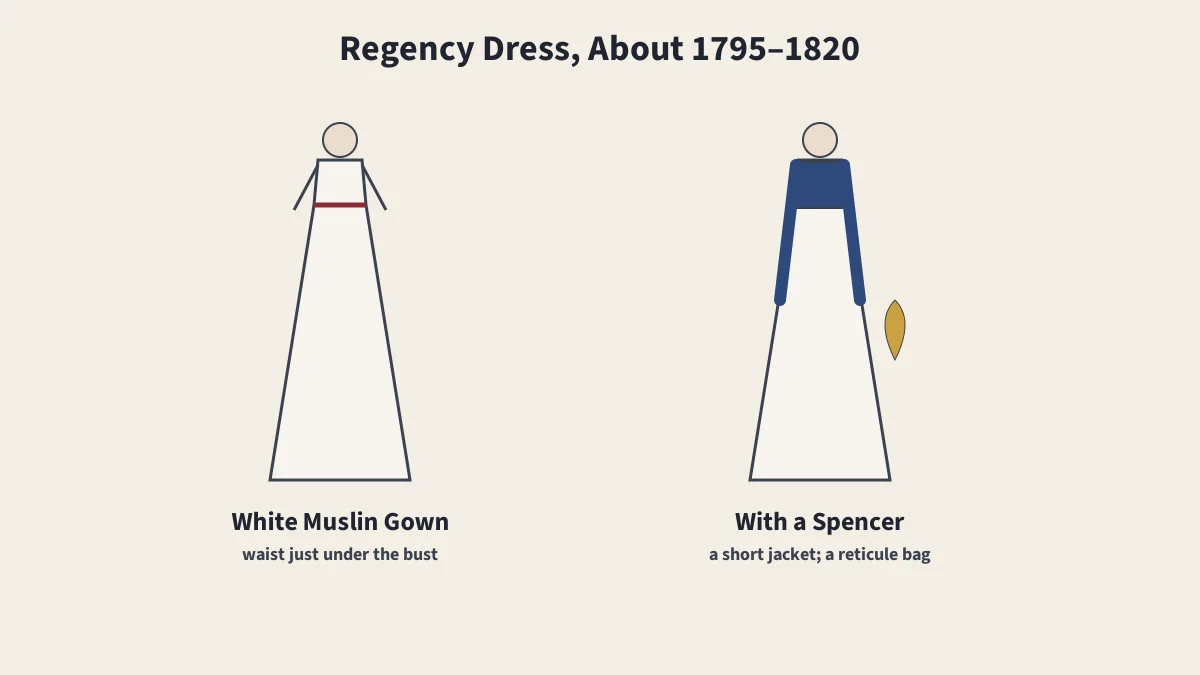
Regency Dress
High-waisted muslin gowns, spencers and reticules.
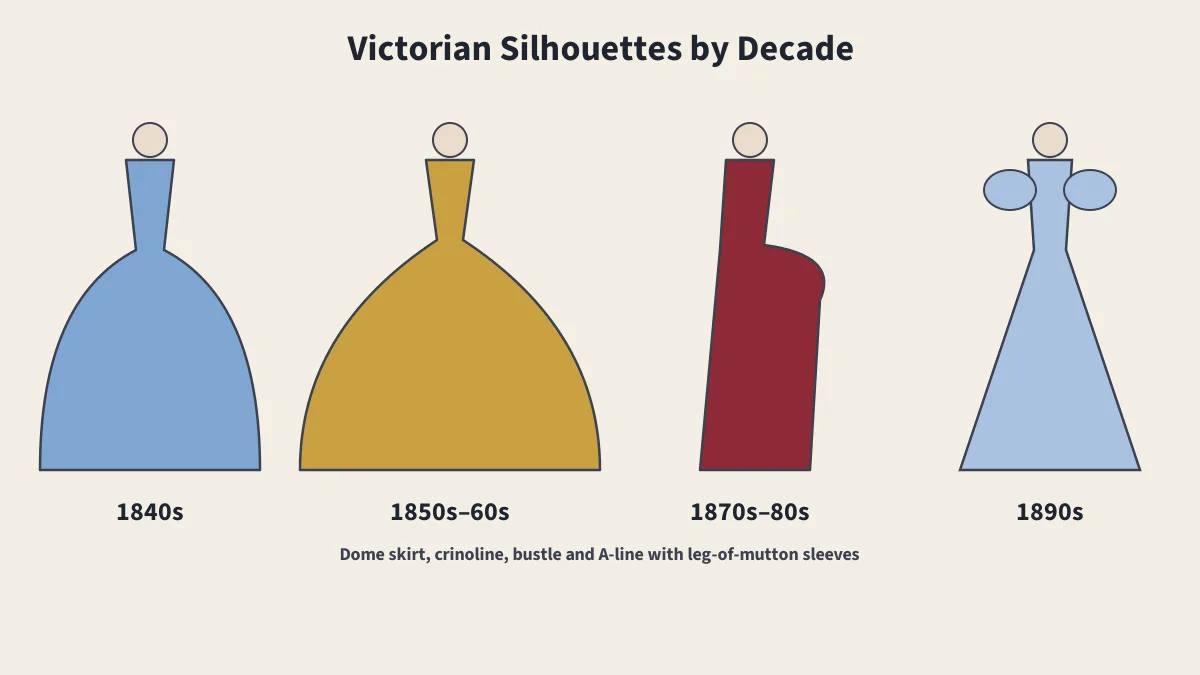
Victorian Dress
Silhouettes, technology and mourning dress.
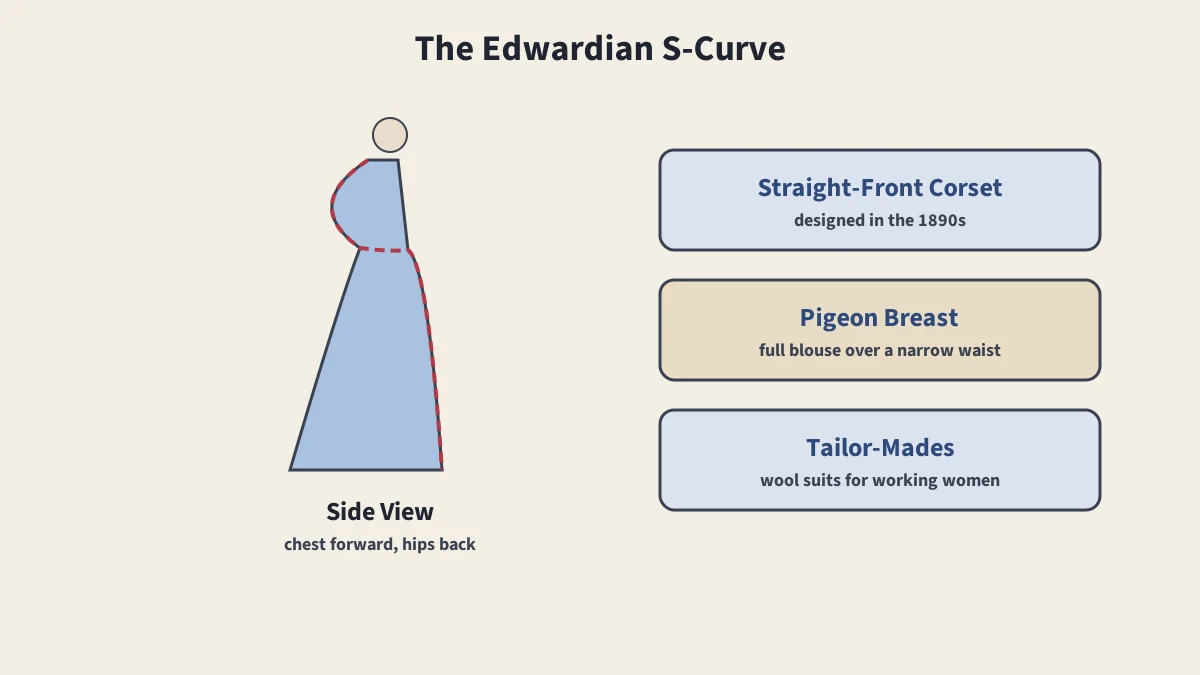
Edwardian Dress
S-curve silhouettes, shirtwaists and tailored suits.
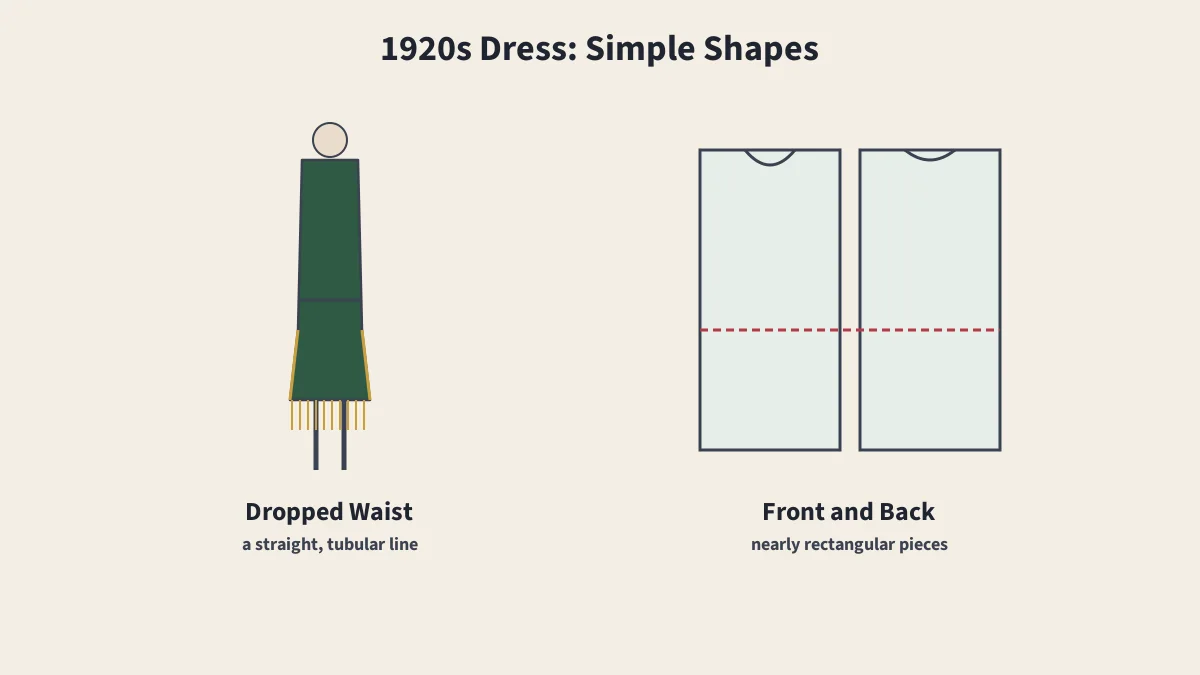
1920s Dress Construction
Dropped waists, hemlines, rayon and beading.
Studying Historical Dress
For how fashion became mass-produced, see the history of ready-to-wear clothing, and for the machine that changed it, the sewing history section.
Sources
- Chemise, Wikipedia
- Victorian fashion, Wikipedia
Frequently Asked Questions
How were clothes made before sewing machines?
Entirely by hand. Tailors and dressmakers cut cloth with shears, drafted patterns by eye or from measurements, and sewed every seam with needle and thread.
Why did historical silhouettes change so much?
Largely because of what was worn underneath. Stays, corsets, panniers, crinolines and bustles each reshaped the body and the skirt, and fashions changed which shape was admired.
Where can I see historical clothing patterns?
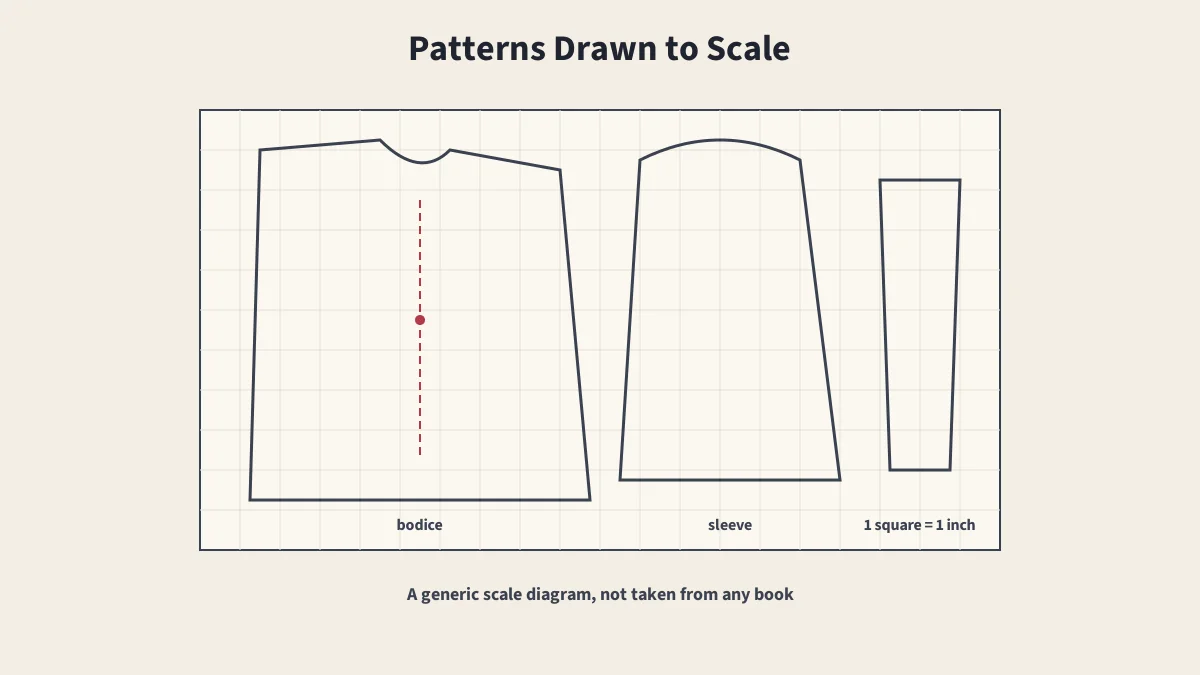
Janet Arnold's Patterns of Fashion series records the construction of surviving historical garments with scale patterns, and museums such as the Victoria and Albert Museum and The Met publish collection images online.
When did the sewing machine change clothing?
Lightweight domestic sewing machines were sold from the 1850s, making clothing cheaper and more plentiful; see the history of the sewing machine.
Keep Reading
Before Sewing Machines
Tailors, dressmakers and hand sewing before machines.
Corsets and Stays
Bodies, stays and corsets through the centuries.
Victorian Dress
Silhouettes, technology and mourning dress.
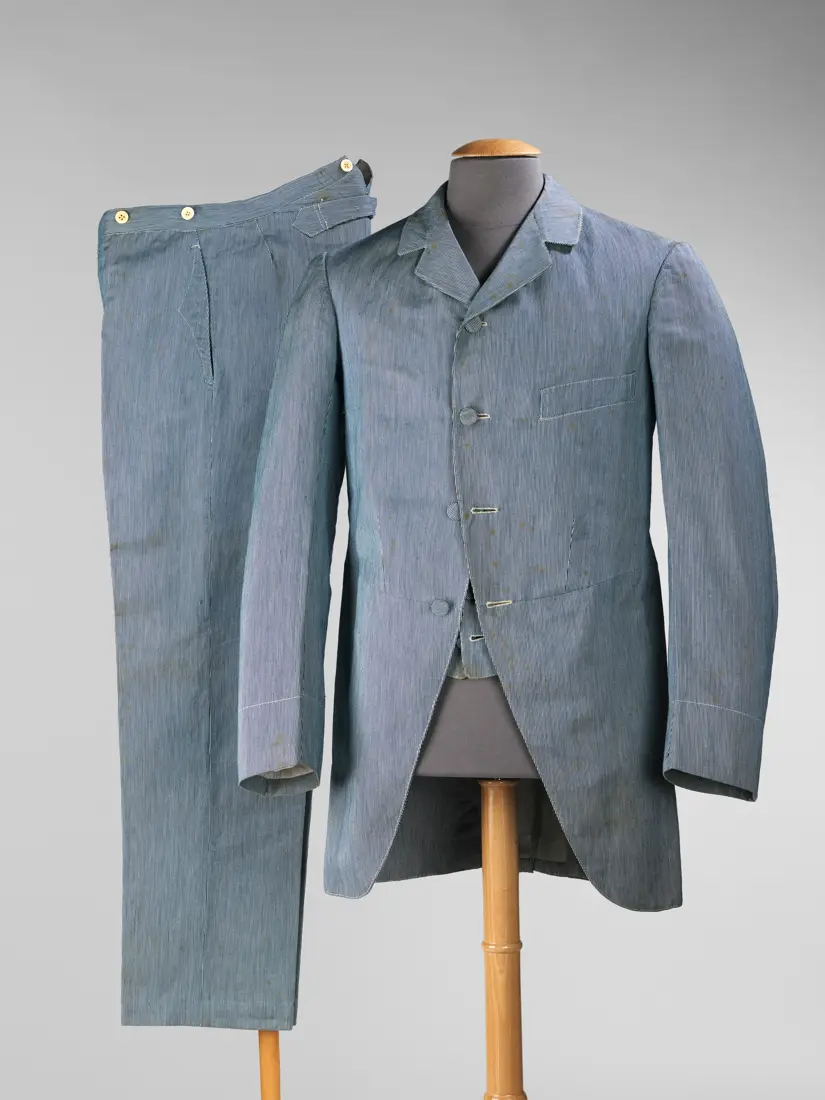
History of Ready-to-Wear Clothing
How slop shops, war uniforms and sewing machines created off-the-rack clothes.