Isaac Singer and the Singer Company: How a Brand Took Over Sewing (2026)
Singer did not invent the sewing machine, and its founder was one of the most scandalous businessmen of his age. The company still became the most famous name in sewing. Here is how.
In This Article
- Singer at a Glance
- Isaac Singer Before the Sewing Machine
- The 1851 Machine
- Edward Clark and the Installment Plan
- From 810 Machines to Two Million
- A Global Company
- Electric Machines and Two World Wars
- Isaac Singer's Scandalous Private Life
- Singer in the 20th and 21st Centuries
- Sources
- Frequently Asked Questions
Singer at a Glance
- Founded: 1851, as I. M. Singer & Co., by Isaac Merritt Singer and Edward Clark
- Founding patent: U.S. No. 8,294, granted August 12, 1851
- Big idea: the 1856 hire-purchase plan, letting families pay in installments
- World's largest maker: by 1860
- Owner today: SVP Worldwide
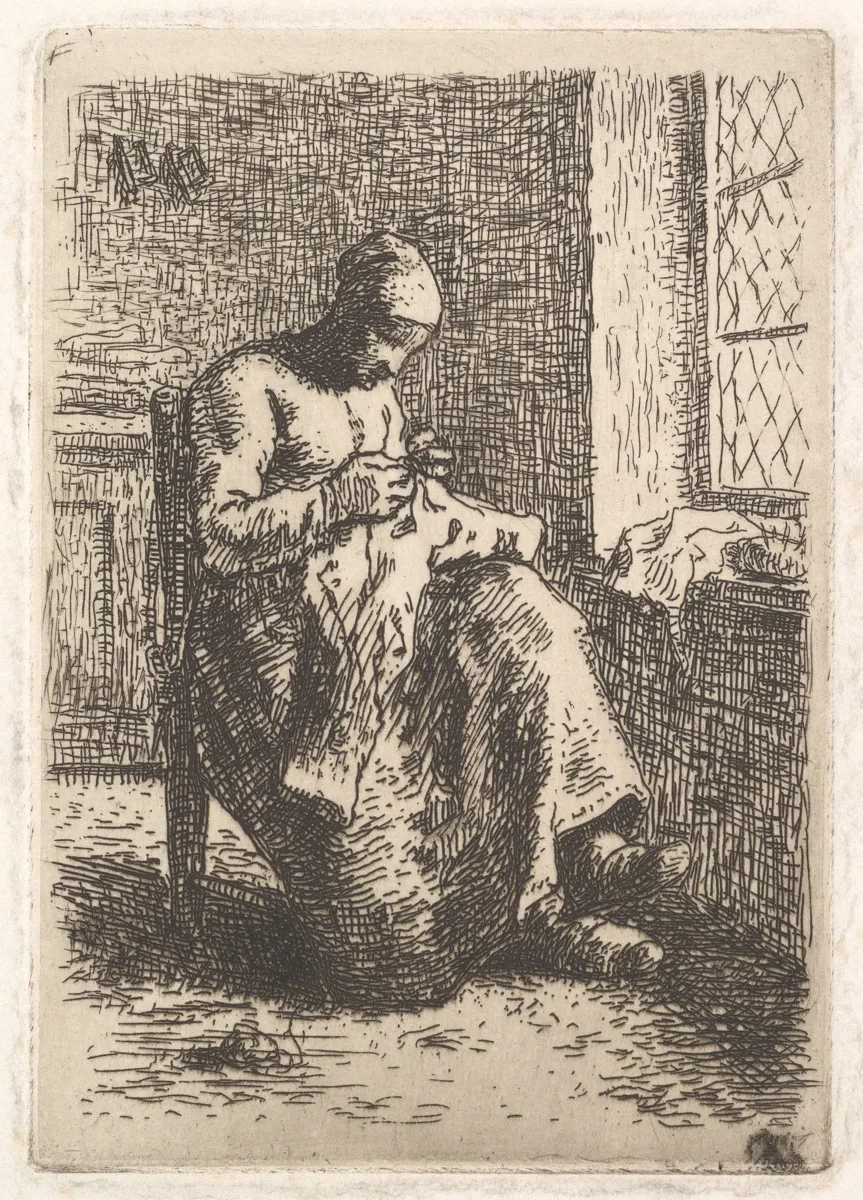
In 1850, most clothing was still sewn by hand, stitch by stitch, as in the etching above. Within a generation, a single company had put sewing machines into homes on every inhabited continent. That company was built by a former actor with little interest in business and a lawyer who understood selling better than anyone in the industry.
Isaac Singer Before the Sewing Machine
Isaac Merritt Singer was born on October 27, 1811, in Pittstown, New York, the youngest of eight children. He ran away at 12 to join a traveling theater company and spent years as an actor, later touring with his own troupe, the "Merritt Players." In between, he tinkered. His first patent, in 1839, was for a rock-drilling machine, which he sold for $2,000. In 1849 he patented a machine for carving wood and metal.
That carving machine brought him to Boston in 1850, where he displayed it at the shop of Orson C. Phelps. Orders never came. But Phelps was repairing sewing machines made by Lerow & Blodgett, and Singer thought he could do better.
The 1851 Machine
Singer's design, patented as U.S. No. 8,294 on August 12, 1851, made two key changes: a shuttle that moved in a straight line instead of a curve, and a straight needle driven up and down. His machines held the cloth with a presser foot and were run with a treadle, leaving both hands free to guide the work. Singer's machine could make about 900 stitches a minute, compared with about 40 for a skilled seamstress on simple work.
The design also used Elias Howe's patented lockstitch, which led straight into court. Howe won in 1854, Singer paid him a settlement and royalties, and two years later both joined the patent pool that ended the Sewing Machine War.
Edward Clark and the Installment Plan
Singer's partner was Edward Cabot Clark, a New York lawyer who took a three-eighths share of Singer's patent rights in place of legal fees. In 1851 the two formed I. M. Singer & Co. Clark managed the lawsuits, and then he turned his attention to sales.
A sewing machine cost around $100 in the 1850s, far beyond most families. In 1856 I. M. Singer & Co.'s Gazette asked, "Why not rent a sewing machine to the housewife?" Clark's hire-purchase plan did exactly that, applying the rental to the purchase price. The initial terms were $5 down and $5 a month. According to Harvard Business School's research on consumer credit, the plan tripled Singer's sales in a single year. In 1857 Clark added a trade-in offer that let owners exchange an older machine of any make for a new Singer.
From 810 Machines to Two Million
The results show up clearly in the company's sales. Singer sold 810 machines in 1853 and 2,564 in 1856. By 1860 it was producing 13,000 a year at a plant on Mott Street in New York and had become the largest sewing machine maker in the world. By 1876 the company claimed two million machines sold in total.
The business was incorporated as the Singer Manufacturing Company in 1863, by which time Isaac Singer had stepped back from day-to-day management. Clark, who saw Singer's turbulent private life as a risk to the business, became the driving force. Singer kept a large shareholding and a seat on the board.
A Global Company
Singer began marketing abroad in 1855, the year its machine won a first prize at the Paris World's Fair. It became one of the first American companies to manufacture overseas. After deciding in 1867 that British demand justified a local factory, Singer opened works in Glasgow, then built a vast new plant at Kilbowie in Clydebank, Scotland, in the mid-1880s.
- Kilbowie employed around 7,000 people early on and could make about 13,000 machines a week.
- Its clock tower stood 200 feet tall until it was demolished in 1963.
- It shipped 1.3 million machines in 1913 and produced about 36 million before 1943.
- In 1911, about 10,000 workers walked out in support of twelve women polishers, in what became known as the Singer Strike.
- The factory closed in June 1980.
Singer's wealth also showed up on skylines. The 47-story Singer Building in New York, designed by Ernest Flagg and completed in 1908, was briefly the tallest building in the world. It was demolished in 1968. In Saint Petersburg, the company's Russian headquarters, built between 1902 and 1904, still stands on Nevsky Prospect.
Electric Machines and Two World Wars
Singer showed an electric sewing machine at an electrical exhibition in Philadelphia in 1889 and began making domestic electric machines in quantity around 1910. Treadle and hand-crank machines remained common for decades, especially where homes lacked electricity.
During the First World War, the Clydebank factory turned to munitions, producing hundreds of millions of shells and components. In the Second World War, Singer suspended sewing machine production in the United States and made parts for Norden bombsights and M1 carbines, and in 1940 it received an order to produce 500 M1911A1 pistols. Sewing machine development resumed in 1946.
Isaac Singer's Scandalous Private Life
Isaac Singer's personal life was extraordinary even by the standards of Gilded Age millionaires. He fathered 26 children with five women, at times keeping separate families in New York under different surnames. In 1861 he was arrested for bigamy, and in 1862 he left for London. He later settled in Paignton, Devon, where he commissioned the grand Oldway Mansion. He died there on July 23, 1875, leaving an estate of about $13 million.
Singer in the 20th and 21st Centuries
The Singer Manufacturing Company became the Singer Company in 1963 and diversified into calculators, aerospace and other businesses. In 1989 the sewing machine business was sold to Semi-Tech, a Toronto-based company, and in 1999 Singer N.V. filed for bankruptcy and was acquired by Kohlberg & Company. In 2006 Kohlberg combined Singer with Husqvarna Viking and Pfaff, and the brand is now owned by SVP Worldwide.
Today, vintage Singers are among the most collected sewing machines in the world. Many still run perfectly after a century, which says as much about their engineering as about the marketing that sold them.
| Year | Singer Milestone |
|---|---|
| 1811 | Isaac Merritt Singer born in Pittstown, New York |
| 1851 | Patent No. 8,294; I. M. Singer & Co. founded with Edward Clark |
| 1854 | Howe's patent upheld; Singer settles |
| 1855 | First prize at the Paris World's Fair; international marketing begins |
| 1856 | Patent pool formed; hire-purchase plan introduced |
| 1860 | Largest sewing machine maker in the world |
| 1875 | Isaac Singer dies in Paignton, England |
| Mid-1880s | Kilbowie factory opens in Clydebank, Scotland |
| 1908 | Singer Building completed in New York |
| 1911 | Singer Strike at Clydebank |
| 1963 | Renamed the Singer Company |
| 1980 | Clydebank factory closes |
| 2006 | Combined with Husqvarna Viking and Pfaff under what is now SVP Worldwide |
Sources
- Singer Corporation, Wikipedia
- Isaac Singer, Wikipedia
- Edward Cabot Clark, Wikipedia
- "Why not rent a sewing machine to the housewife?", Harvard Business School, Baker Library
- Singer Company, Encyclopaedia Britannica
- Singer Sewing Machine Company, Textile Research Centre, Leiden
Frequently Asked Questions
When was the Singer Company founded?
Isaac Singer and New York lawyer Edward Clark founded I. M. Singer & Co. in 1851, the year Singer received U.S. patent No. 8,294 for his sewing machine. The business was incorporated as the Singer Manufacturing Company in 1863 and renamed the Singer Company in 1963.
Did Singer invent the installment plan?
Singer's partner Edward Clark introduced a hire-purchase plan in 1856 that let customers pay for a machine over time. It is widely described as one of the first installment plans for a consumer product in the United States.
Who owns Singer today?
The Singer sewing machine brand is owned by SVP Worldwide, which also owns the Pfaff and Husqvarna Viking brands.
Where was the biggest Singer factory?
The largest was at Kilbowie in Clydebank, Scotland, opened in the mid-1880s. It employed around 7,000 people early on, could make about 13,000 machines a week, and produced roughly 36 million machines before 1943.
Keep Reading
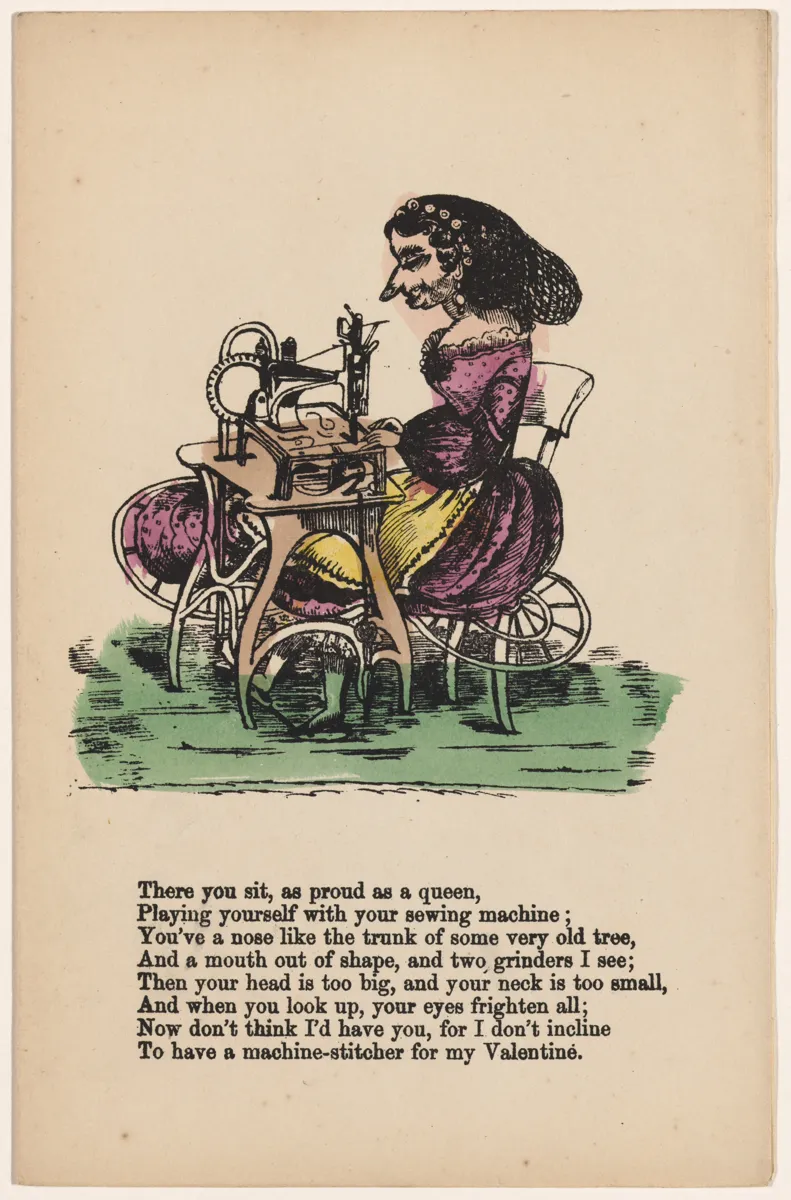
The Sewing Machine War
How Howe and Singer's feud ended in America's first patent pool.
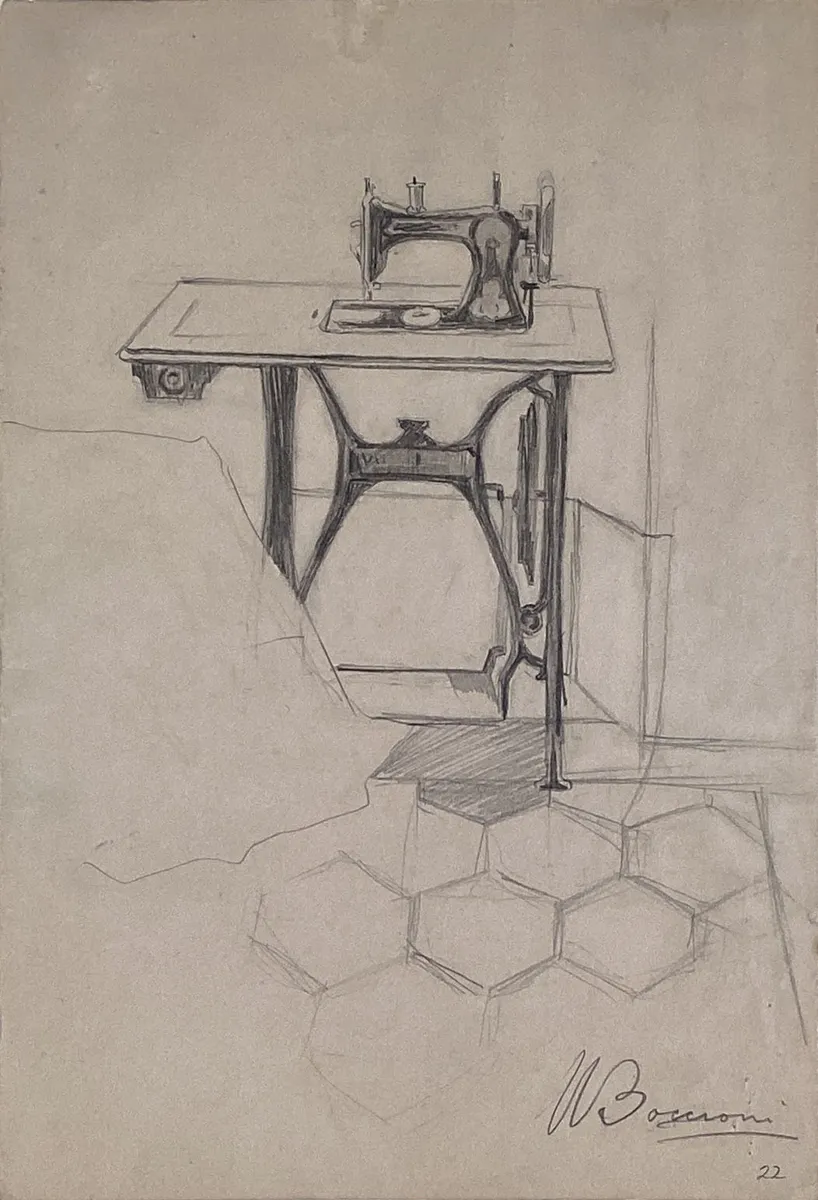
Who Invented the Sewing Machine?
Saint, Thimonnier, Hunt, Howe or Singer? The inventors and who deserves the credit.
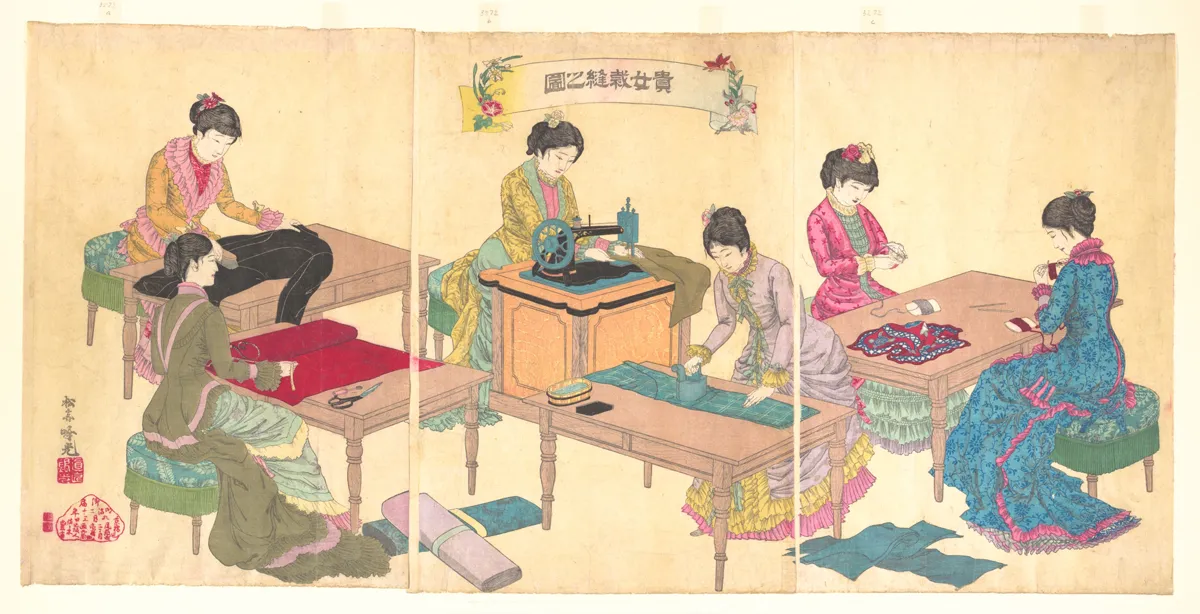
History of Sewing
How a bone splinter became a global industry, from the Ice Age to PDF patterns.
Sewing Facts
Surprising facts about sewing history, machines, tools and fabric, each one checked.