How to Read a Sewing Pattern: Envelope, Instructions and Markings (2026)
A sewing pattern packs a lot of information into an envelope: sizes, fabric amounts, notions, a cutting layout and pattern pieces covered in symbols. Here is how to read every part of it.
In This Article
Patterns in Brief
- Envelope: sizes, fabric amounts, notions
- Instructions: layouts and step-by-step sewing
- Tissue: notches, dots, grainlines, darts
- Multi-size: nested sizes on one sheet
- Graded patterns: Butterick, 1863
- Fitting: measurements, ease, toiles, adjustments
A sewing pattern is the template from which the pieces of a garment are cut. Commercial home-sewing patterns were made possible by Ebenezer Butterick, who in 1863 began selling patterns graded into sizes, based on grading systems used by Victorian tailors. Butterick added women's patterns in 1866. For more, see the history of sewing patterns.
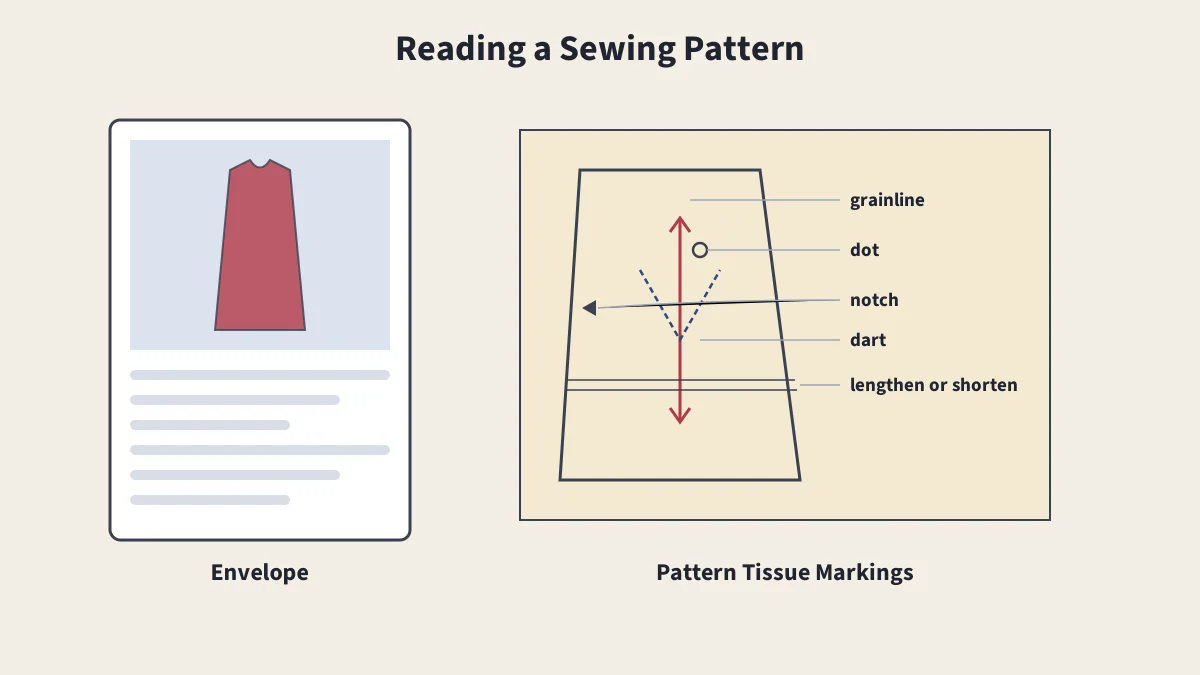
The Envelope
| Section | What It Tells You |
|---|---|
| Front | The finished garment and its views (variations) |
| Size chart | Body measurements for each pattern size |
| Finished measurements | The garment's actual size, showing how much ease is built in |
| Fabric requirements | How much to buy for each view, size and fabric width, with or without nap |
| Suggested fabrics | Fabrics the design was made for |
| Notions | Zippers, buttons, elastic, interfacing and thread |
| Line drawings | Front and back views showing seams and details |
The Instruction Sheet
Inside the envelope is an instruction sheet with a list of pattern pieces, cutting layouts for each view, size and fabric width, and illustrated step-by-step sewing directions. Read it through before cutting. For cutting layouts, see cutting fabric and layout; for abbreviations such as RS and WS, see sewing abbreviations.
Pattern Markings
| Marking | Meaning |
|---|---|
| Long arrow | Grainline: place parallel to the selvage. A double-headed arrow means either direction; a single-headed arrow means the fabric has a direction. |
| Bracket arrow | Place on the fold |
| Notches | Matching points between pieces |
| Dots, triangles, squares | Further match points |
| Circles | Dart points, corners, pockets, buttons and buttonholes |
| Double lines | Where to lengthen or shorten the piece |
| Dashed lines | Stitching lines, darts or fold lines |
| Bust, waist and hip lines | Reference points for fitting |
For every symbol in detail, see pattern symbols and markings. Seam allowances are included on most commercial patterns but not all; check the instructions. See seam allowance.
Paper and PDF Patterns
Most modern home-sewing patterns contain several nested sizes on one sheet; you can cut your size out or trace it to keep the original. Patterns are also sold as downloadable PDF files, which can be printed at home on ordinary paper and taped together, or printed on large-format sheets at a copy shop.
Reading and Choosing Patterns
Symbols, sizes, measurements and ease: everything you need to pick the right size and understand the pattern.
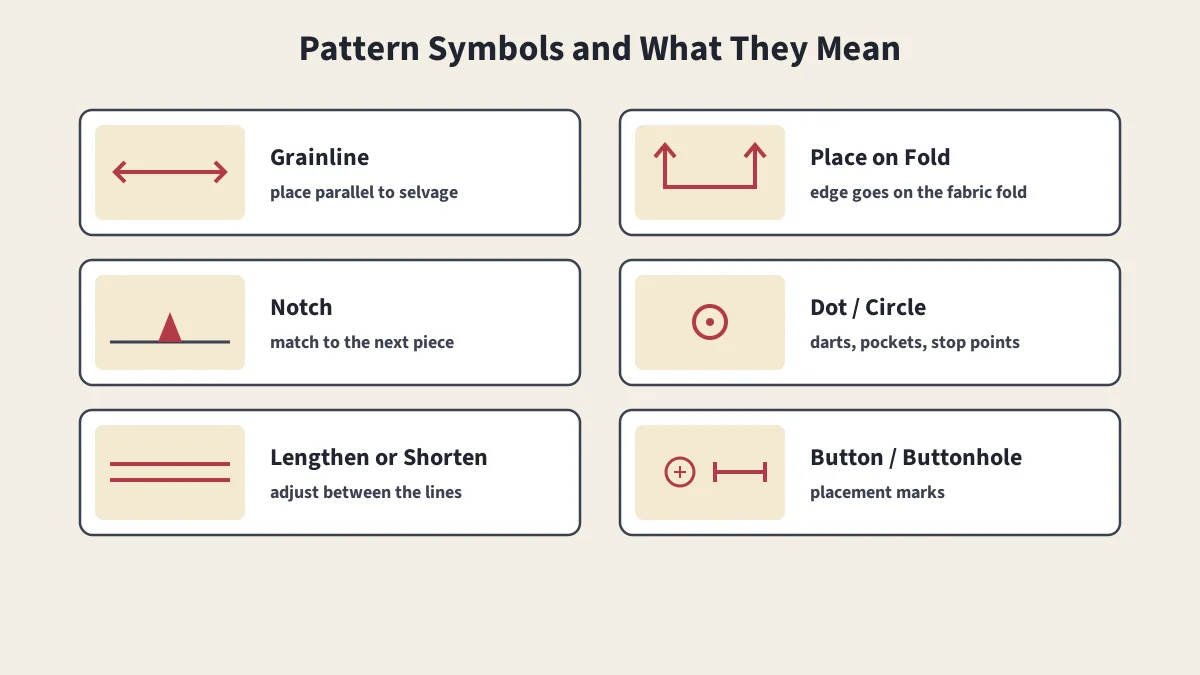
Pattern Symbols and Markings
Grainlines, notches, dots, darts and other pattern marks.
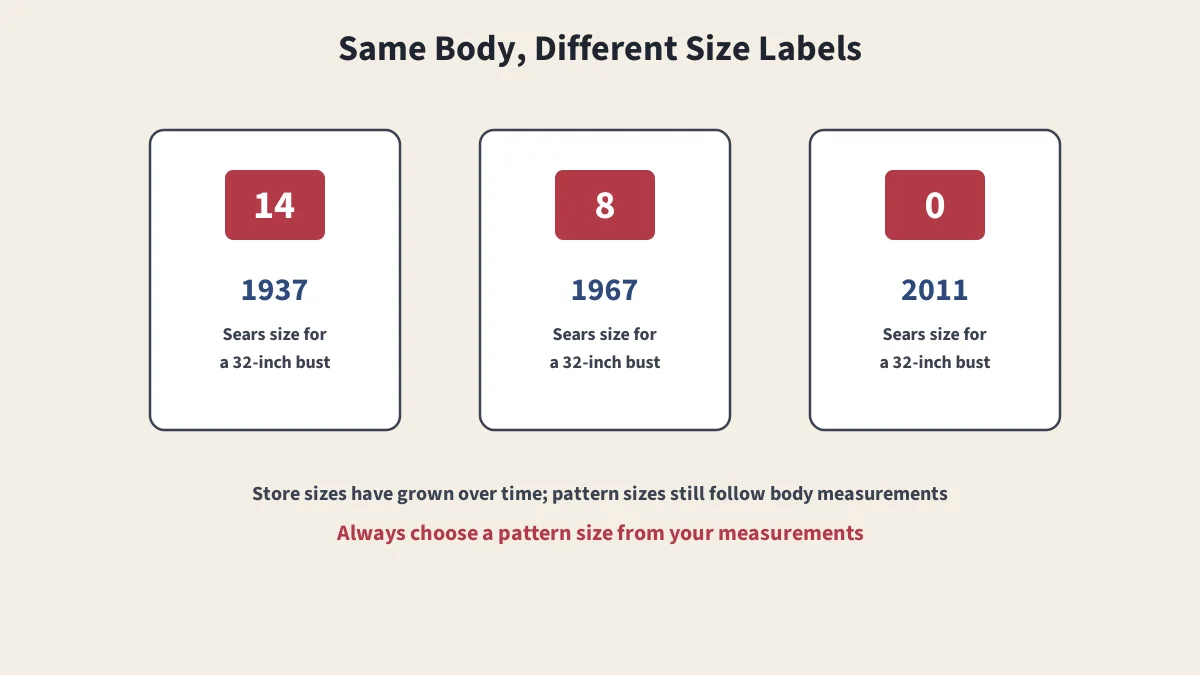
Pattern Sizes vs. Store Sizes
Vanity sizing and how to choose a pattern size.
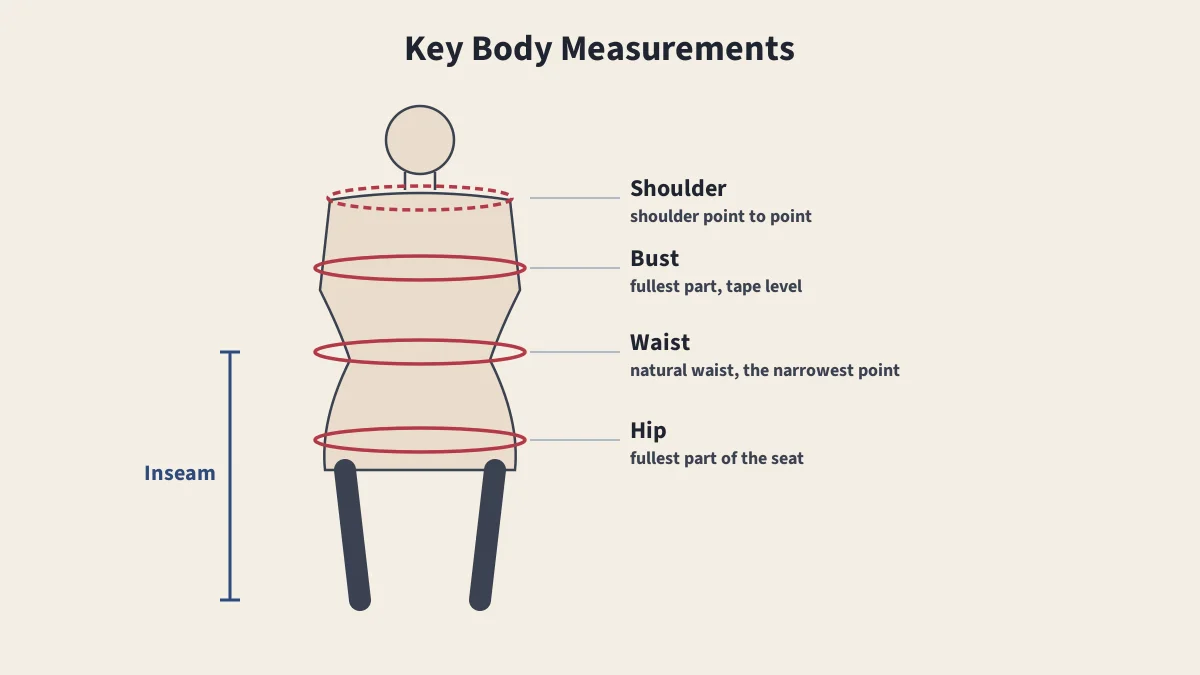
How to Take Body Measurements
Bust, waist, hips and more, measured correctly.
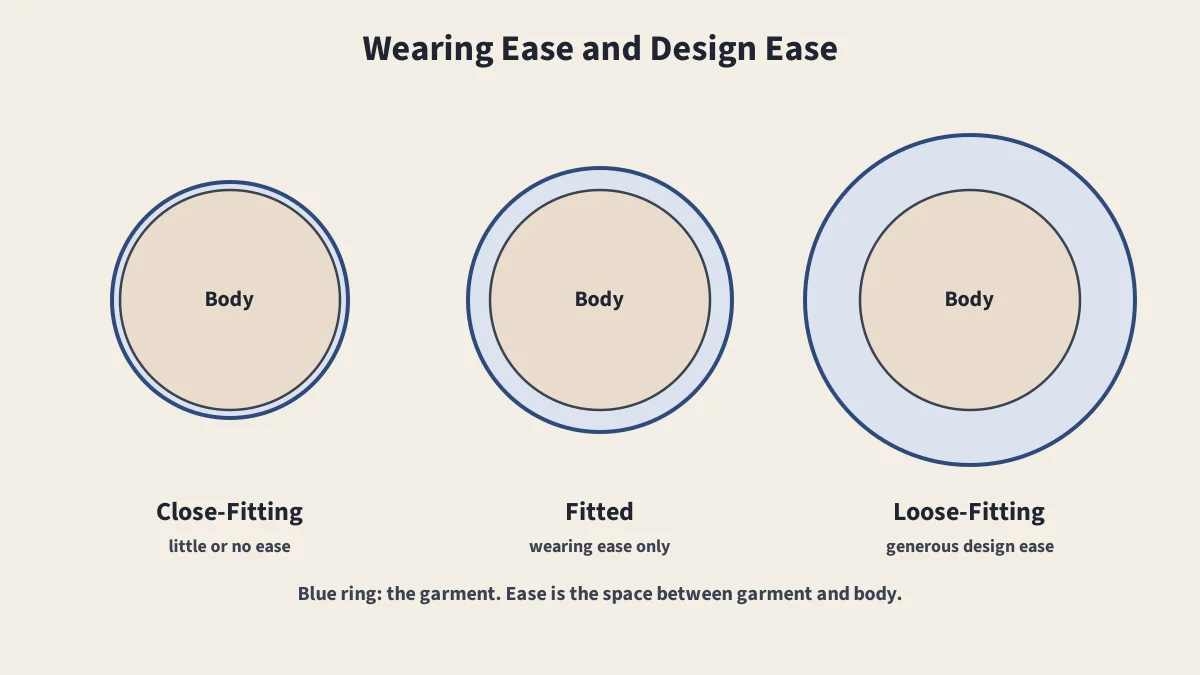
Wearing Ease vs. Design Ease
How patterns add room for movement and style.
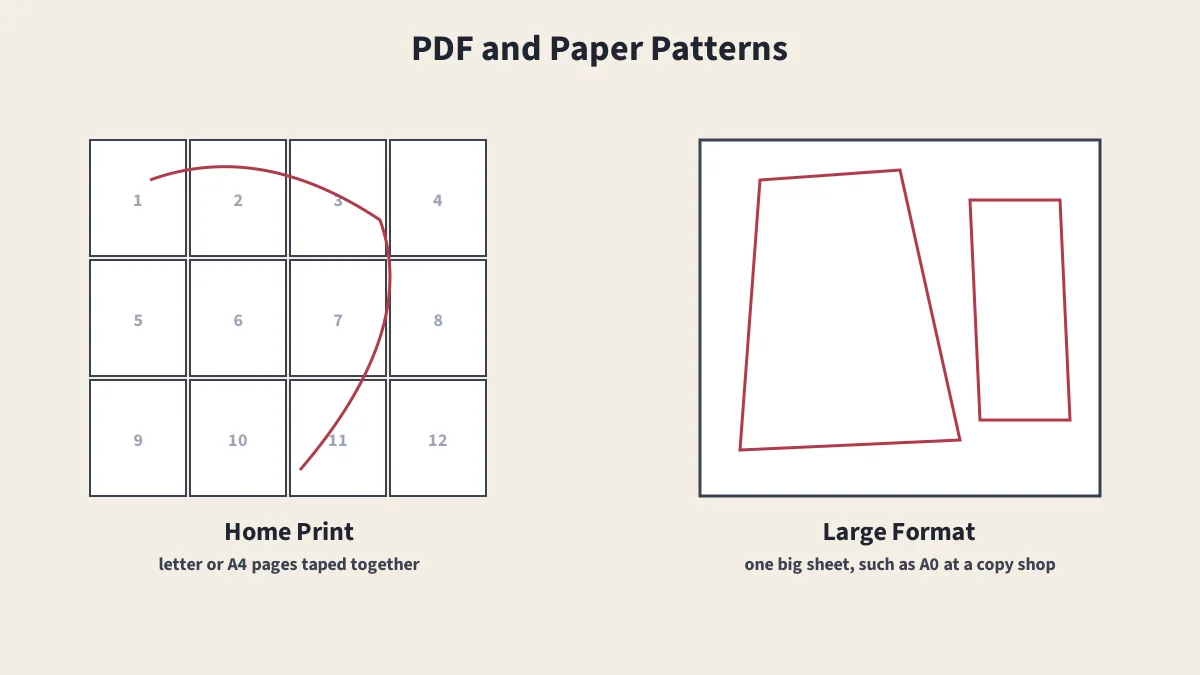
PDF vs. Paper Patterns
Home printing, copy-shop files and tissue patterns compared.
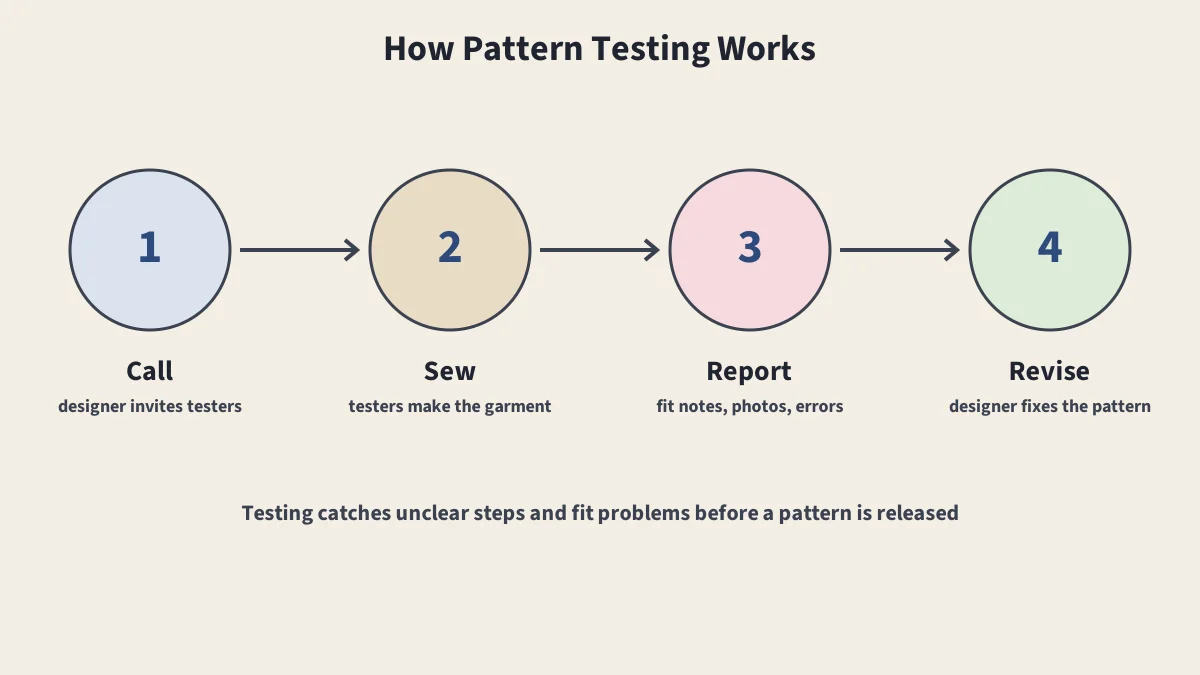
Pattern Testing
How test calls work and how to become a tester.
Fitting and Pattern Making
How patterns are made, graded and fitted, from slopers to toiles.
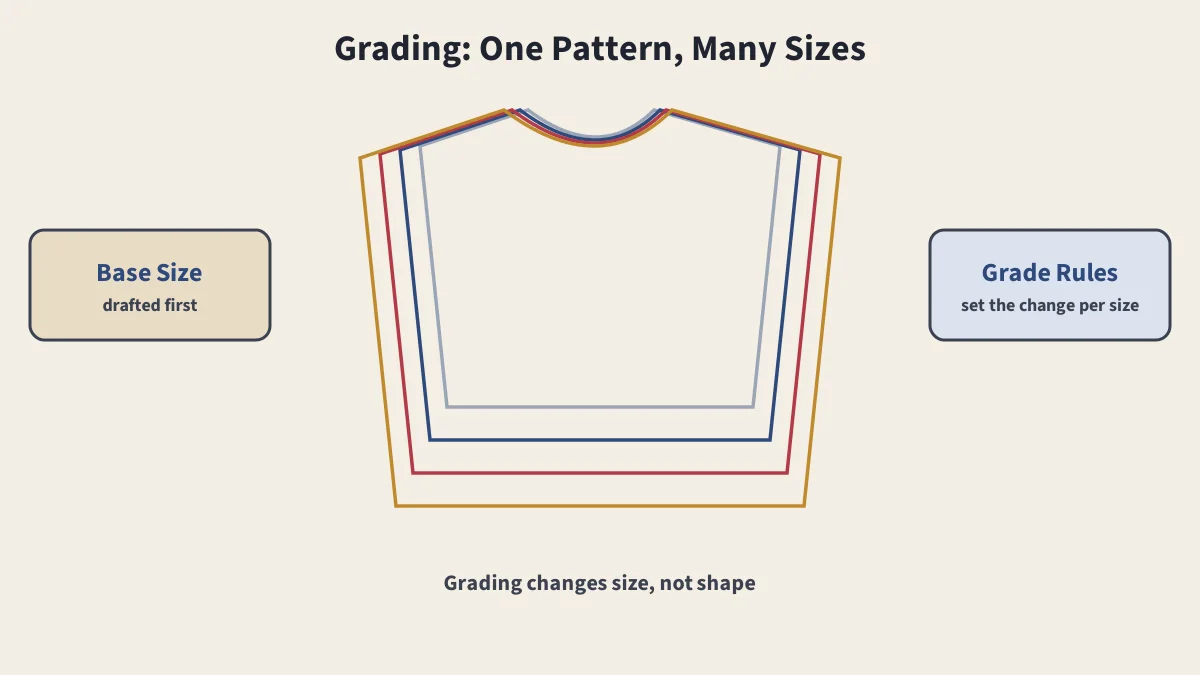
Pattern Grading
Grade rules, methods and the history of graded patterns.
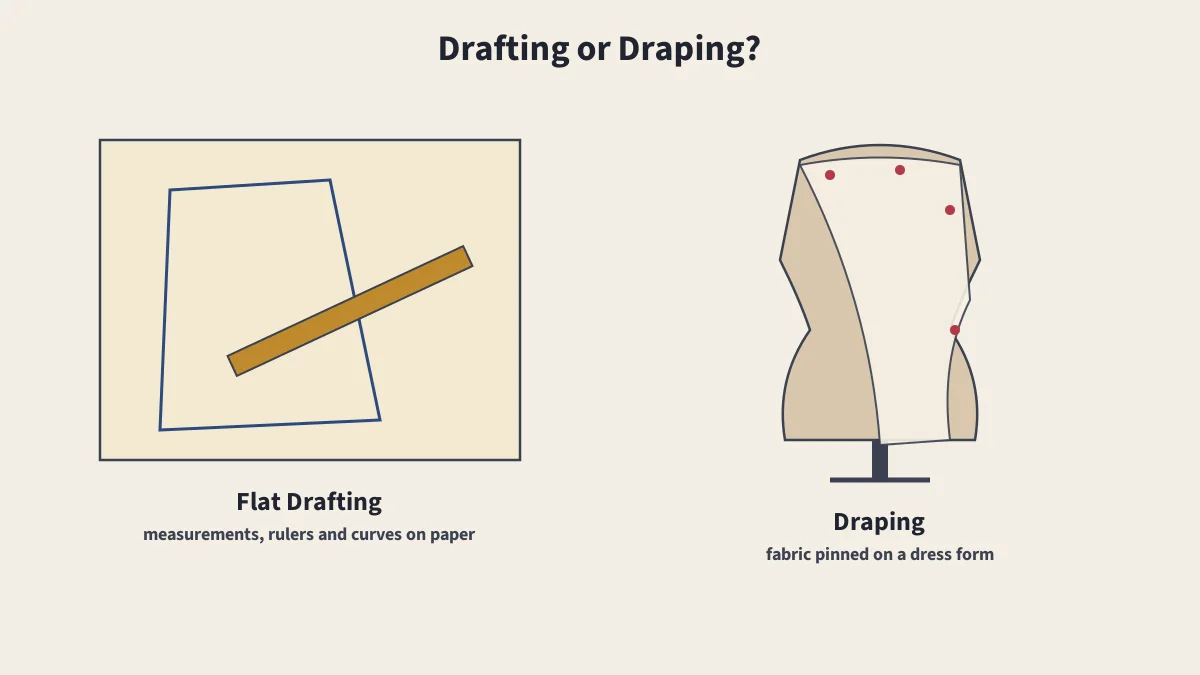
Pattern Drafting vs. Draping
Flat drafting and draping compared.
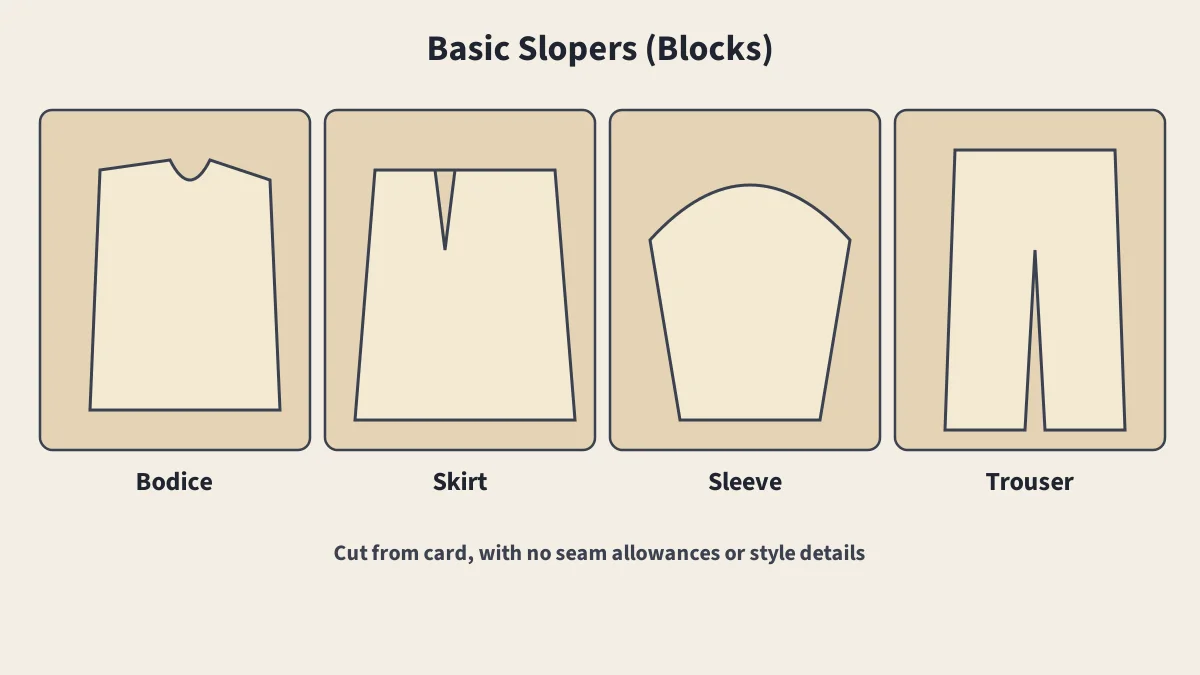
Slopers and Blocks
Bodice, skirt, sleeve and trouser blocks explained.
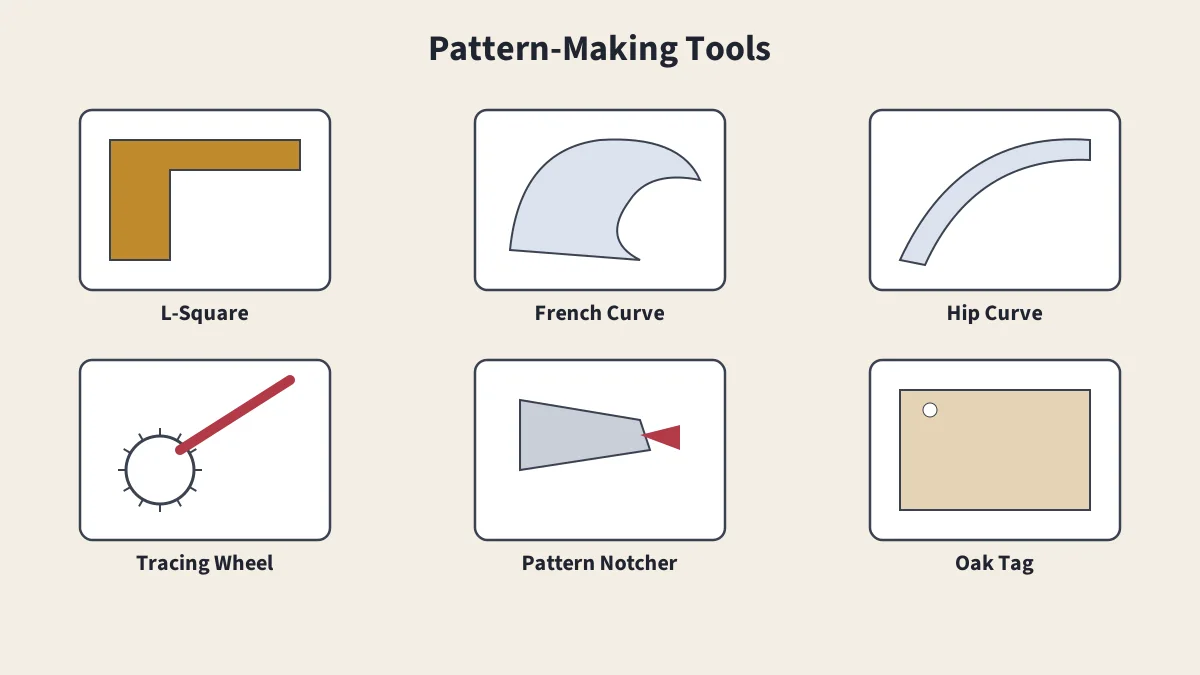
Pattern-Making Tools
Rulers, curves, notchers, tracing wheels and paper.
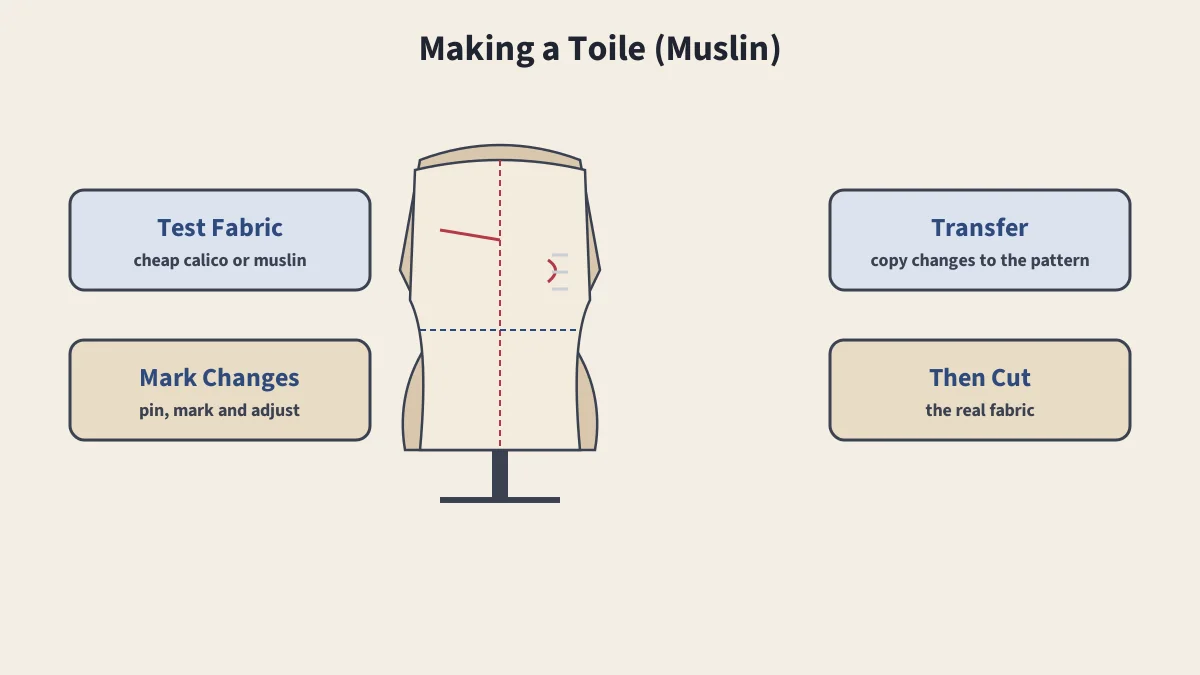
What Is a Toile?
Test garments, fabrics and fitting.
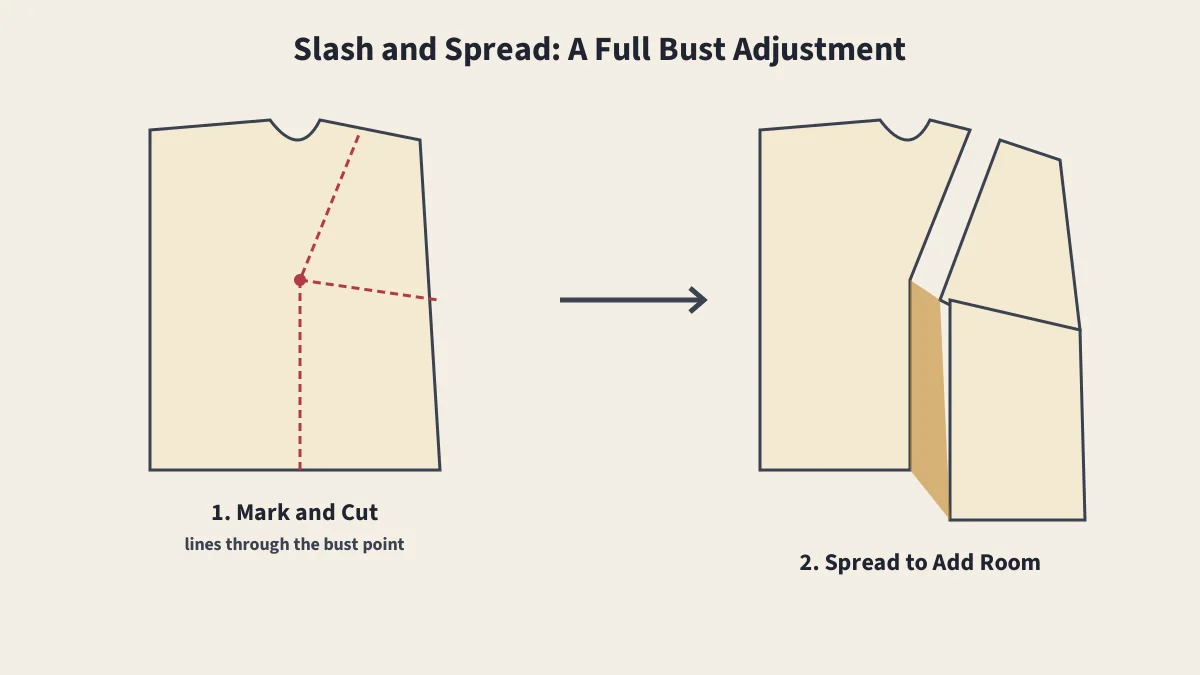
Common Fit Adjustments
Bust, back, shoulder, length and hip adjustments.
Brands, Design and Portfolios
The big pattern companies, hacking patterns into new designs, and presenting your work.
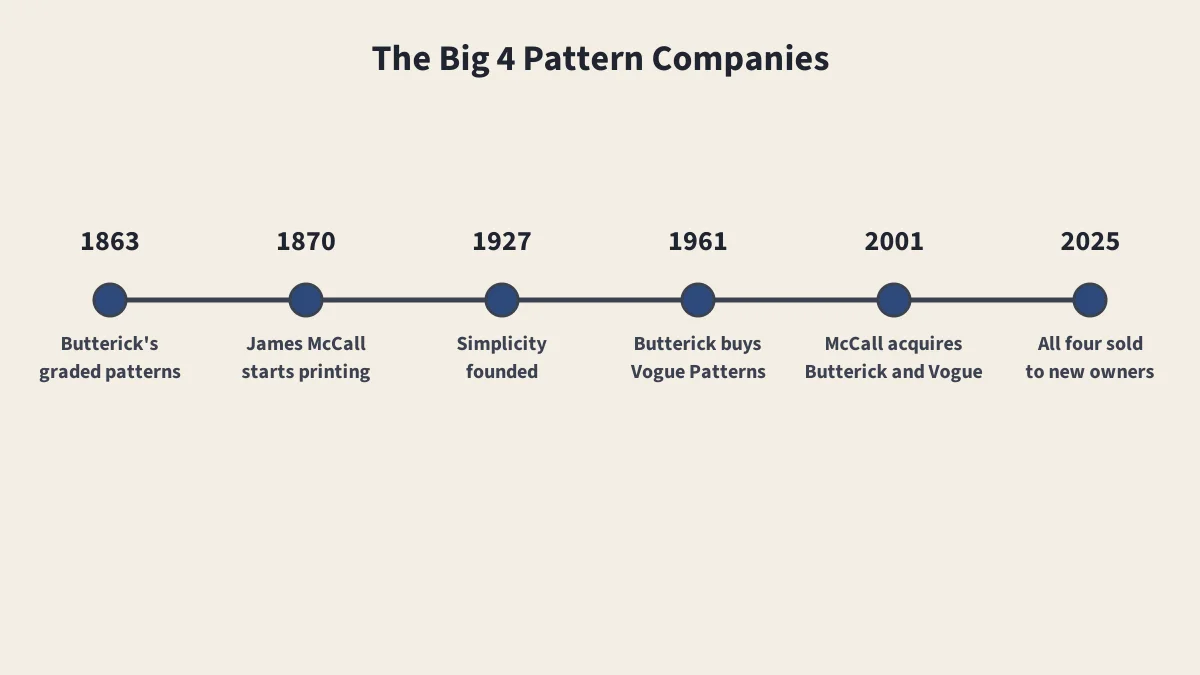
The Big 4 Pattern Companies
Butterick, McCall's, Simplicity and Vogue Patterns.
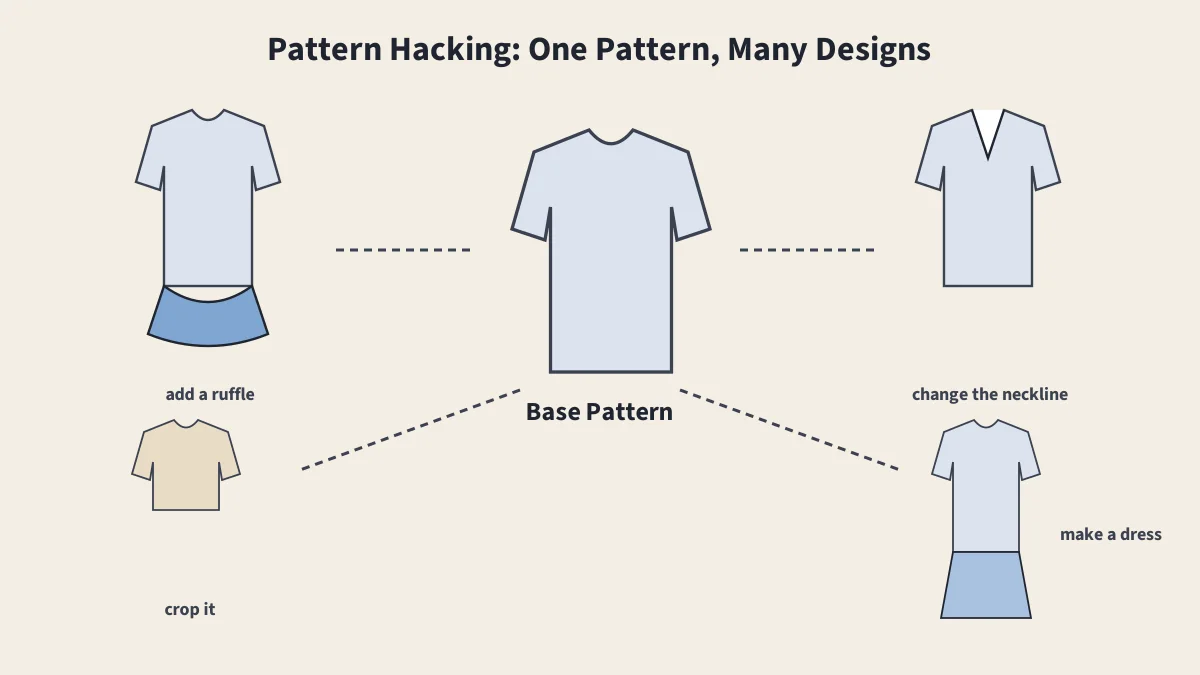
Pattern Hacking
Changing a pattern to create new designs.
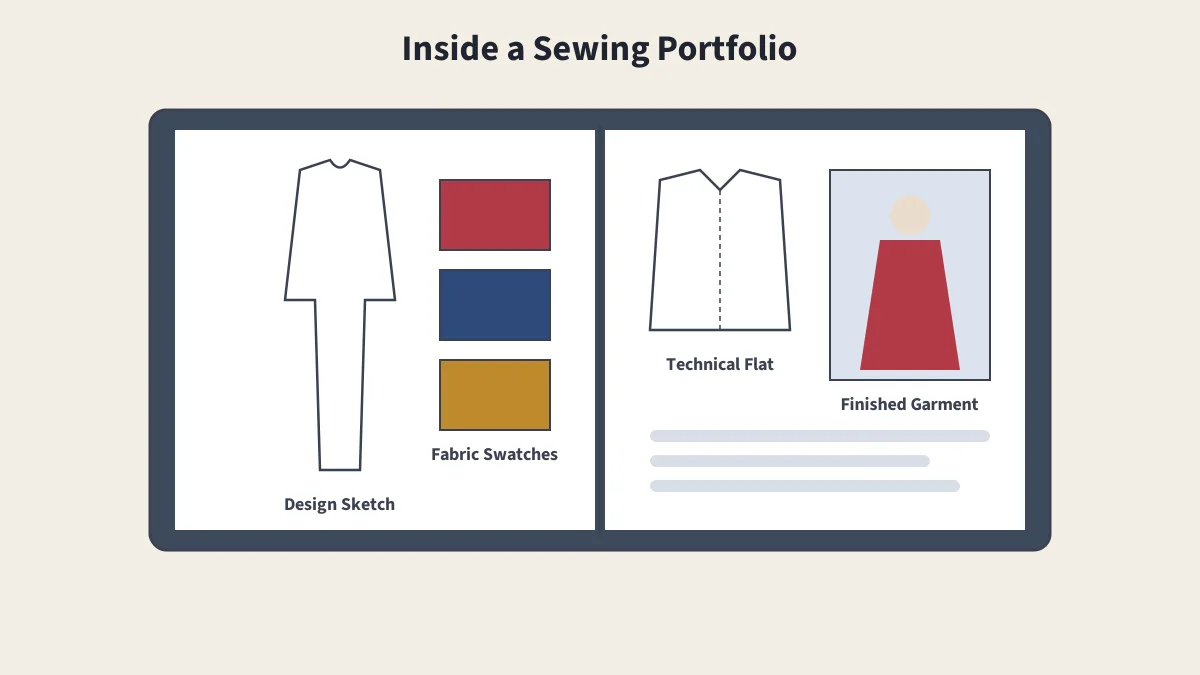
How to Build a Sewing Portfolio
What to include and how to present your work.
Related Guides
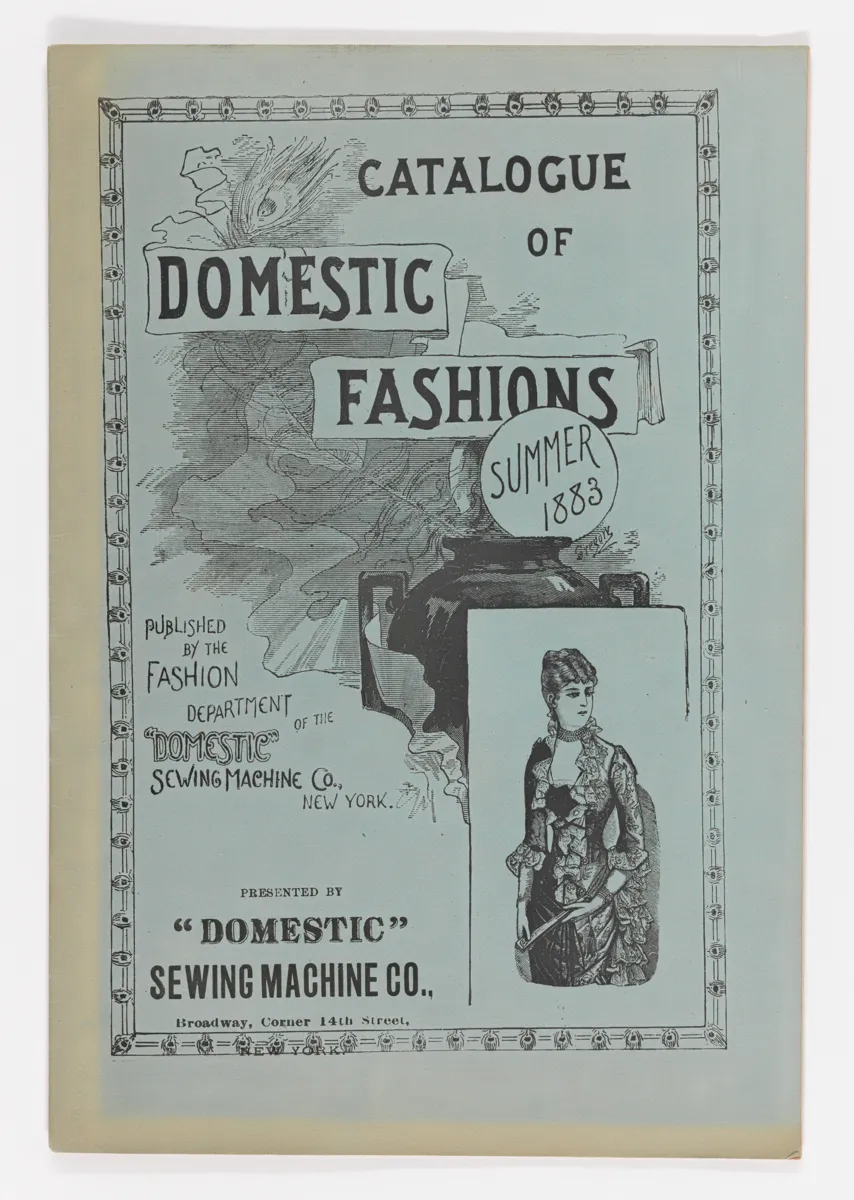
History of Sewing Patterns
Butterick, McCall's, Vogue and Simplicity, from 1800s magazines to PDFs.
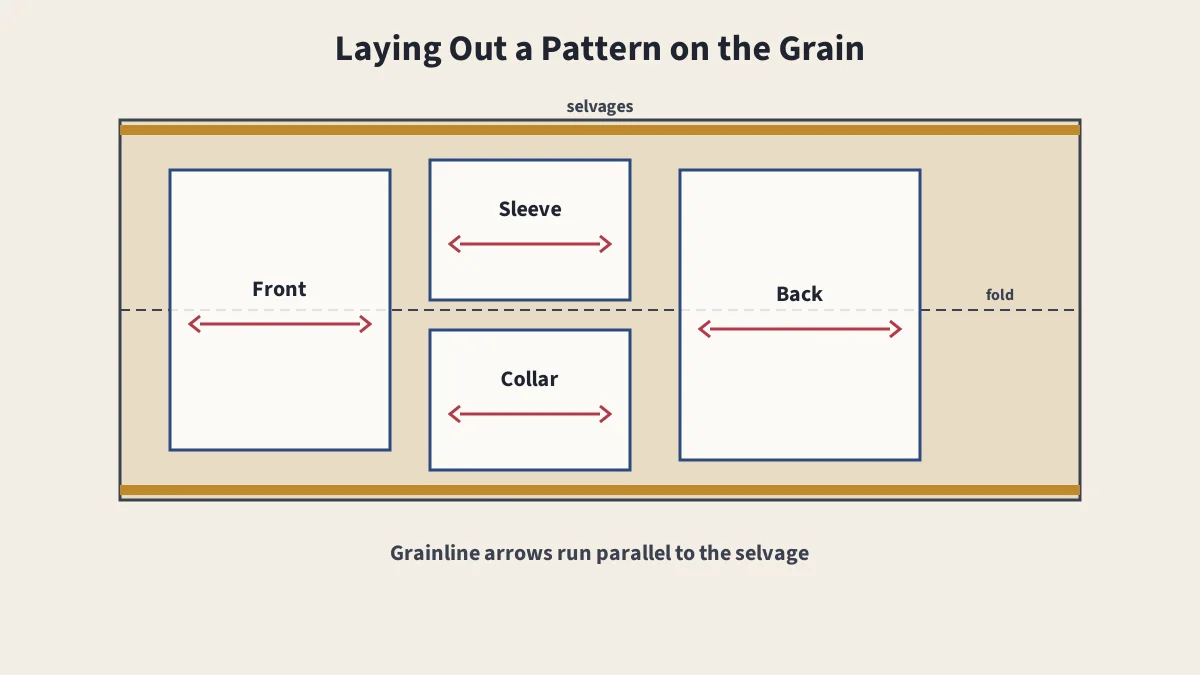
Cutting Fabric and Layout
Grainlines, folds, napped fabrics and clean cutting.
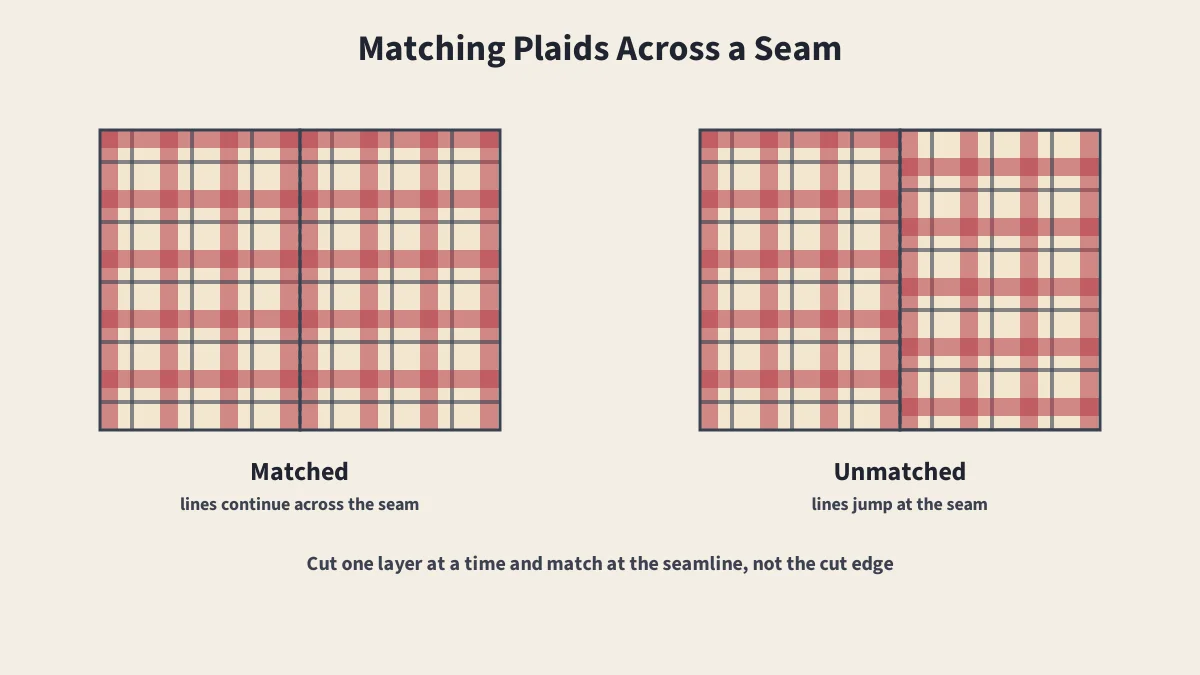
Matching Plaids and Stripes
Even and uneven plaids, cutting and pinning to match.
Sources
- Sewing pattern, Wikipedia
Frequently Asked Questions
What information is on the back of a pattern envelope?
Usually the body measurements for each size, finished garment measurements, how much fabric to buy for each size and fabric width, suggested fabrics, and the notions you need, such as zippers, buttons and interfacing.
Why is my pattern size different from my clothing size?
Pattern sizes are based on body measurements and often run smaller than shop sizes. Always choose a pattern size from your bust, waist and hip measurements, not from the size you buy in stores.
What do the notches and dots on a pattern mean?
They are matching points. Notches line up with notches on the piece they join; dots and other symbols mark dart points, pocket and button placements, and where to stop stitching.
Who invented the graded sewing pattern?
Ebenezer Butterick, who in 1863 began selling commercially produced patterns graded into sizes, based on grading systems used by Victorian tailors.
Keep Reading
History of Sewing Patterns
Butterick, McCall's, Vogue and Simplicity, from 1800s magazines to PDFs.
Cutting Fabric and Layout
Grainlines, folds, napped fabrics and clean cutting.
Sewing Abbreviations
RST, WOF, SA, FBA, HST, UFO and dozens more explained.
Matching Plaids and Stripes
Even and uneven plaids, cutting and pinning to match.