Make Do and Mend: The Wartime Sewing Campaign Explained (2026)
When Britain rationed clothing in 1941, the government asked people to repair, remake and reuse. The result was one of history's biggest campaigns for home sewing, and its ideas are back in fashion.
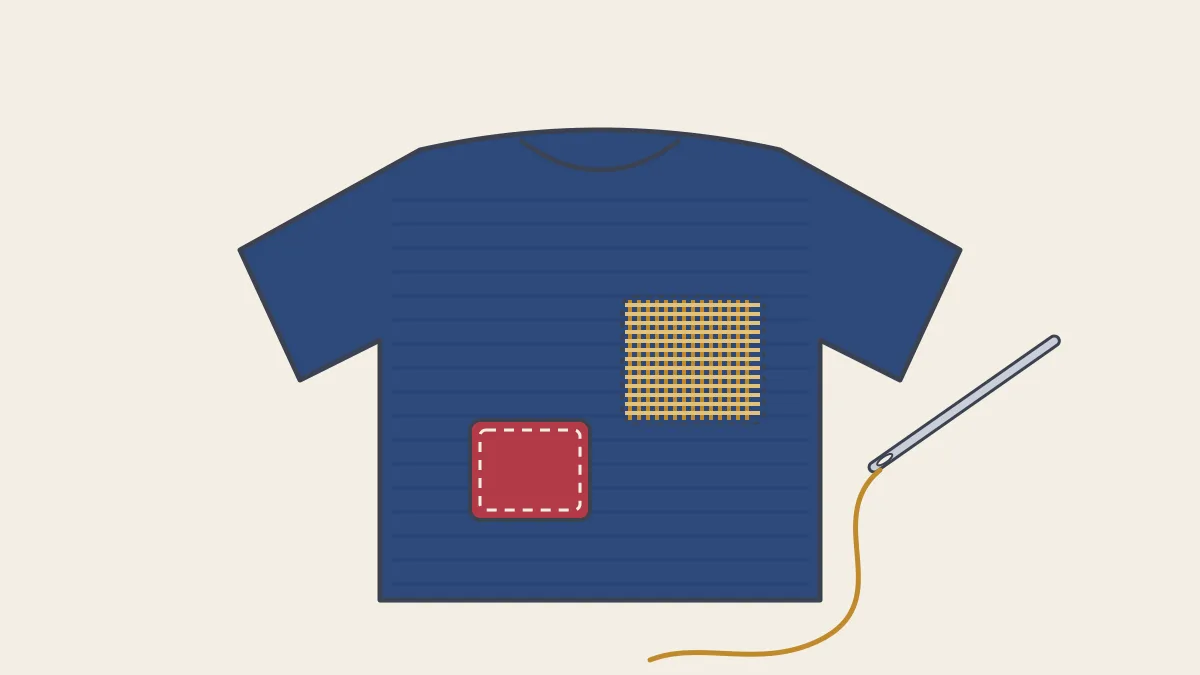
In This Article
Make Do and Mend at a Glance
- Clothes rationing began: June 1, 1941
- Starting allowance: 66 coupons per adult per year
- Official campaign support: autumn 1942
- Make Do and Mend booklet: 1943
- Clothes rationing ended: 1949
During the Second World War, factories, ships and raw materials were needed for the war effort, and Britain could not keep making and importing clothes as before. The government's answer was rationing, and alongside it a campaign that turned millions of households into repair workshops. Make Do and Mend is now remembered as much for its spirit as for its slogan.
Why Clothes Were Rationed
Food rationing began in Britain in 1940. By late that year silk was unavailable and cotton was in short supply. On June 1, 1941, Oliver Lyttelton, President of the Board of Trade, announced that clothing would be rationed too. To buy new clothes, shoes or cloth, people now had to hand over coupons as well as money.
Every adult received 66 coupons to last a year. That did not go far: a woman's jacket or short coat, for example, cost 11 coupons. As shortages deepened, the allowance shrank.
Utility Clothing and the CC41 Mark
Rationing limited how much people could buy. The Utility Clothing Scheme, which ran from 1941 to 1952, controlled what was made. The government specified approved fabrics, set price controls and supplied manufacturers with raw materials on a quota system. By September 1942, 40 Utility cloths had been specified: 19 wool, 16 cotton, four rayon and one locknit.
Utility goods carried the CC41 mark, designed by Reginald Shipp and nicknamed "the cheeses" for its shape. It is generally understood to stand for Civilian Clothing 1941. Leading London designers, including Hardy Amies and Norman Hartnell, were asked to create stylish Utility designs, and Utility clothing carried no purchase tax.
The Make Do and Mend Campaign
Rationing created a problem the government could see coming. A report by the Women's Group on Public Welfare warned that shortages would really be felt in the second year of clothes rationing and called for a national campaign. In July 1941 the Board of Trade published a study on extending the life of clothing, and in autumn 1942 it gave official support to the Make Do and Mend scheme.
The campaign spread its message through every available channel:
- Booklets: the Board of Trade published its first Make Do and Mend booklet in 1943, with advice on mending, darning, patching, laundering and protecting clothes from moths.
- Film: the Ministry of Information made a "Make Do and Mend" newsreel trailer in 1943.
- Posters: the Board of Trade's "Fight the Moth" poster warned people to protect woolens.
- Classes: the Women's Institute and the Women's Voluntary Service (WVS) ran evening classes and knitting parties.
The campaign's mascot was Mrs Sew and Sew, a cheerful rag doll who appeared on posters, instructional leaflets and in animated films.
How People Made Do
Making clothes at home was usually cheaper and took fewer coupons than buying them ready-made, so sewing skills became valuable. Wartime ingenuity is one of the best-remembered parts of the era:
- Old blankets and unrationed fabrics, including blackout curtain material, were made into dresses.
- Men's suits were cut down into women's skirts and jackets.
- Butter muslin, which was off the ration, was used for garments.
- Darning thread was unrationed, so some people bought skeins and knitted whole garments from it. It was later sold in shorter lengths on cards.
- The WVS ran clothing exchanges, where parents earned points for outgrown children's clothes and spent them on others.
A neatly done darn was a point of pride. The leaflet Darning Do's and Don'ts called it a "real badge of honour."
The End of Rationing
Clothes rationing outlasted the war. Coupons were issued until 1948, and clothes rationing ended in 1949. The Utility Clothing Scheme continued into the early 1950s.
Make Do and Mend Today
The phrase has had a second life. Interest in repair, visible mending and sustainable sewing has made Make Do and Mend a popular slogan again. The skills are the same ones taught in the 1940s: darning a hole, patching a worn spot, turning an old garment into something new. If you want to see how the paper patterns many wartime sewists relied on developed, read our history of sewing patterns.
To try these repairs today, see how to darn and patching and visible mending.
Sources
- Top Tips for Winning at Make Do and Mend, Imperial War Museums
- 8 Facts About Clothes Rationing in Britain, Imperial War Museums
- Make Do and Mend, Wikipedia
- CC41, Wikipedia
- Utility clothing, Wikipedia
Frequently Asked Questions
When did clothes rationing start in Britain?
Clothes rationing began on June 1, 1941, announced by Oliver Lyttelton, President of the Board of Trade. It lasted until 1949.
How many clothing coupons did people get?
Each adult started with 66 coupons a year. In 1942 the allowance was cut to 60 coupons for 15 months, about 48 a year, and it later fell as low as 36 a year.
What was Make Do and Mend?
It was a British government campaign that encouraged people to repair, remake and reuse clothing during rationing. It received official Board of Trade support in autumn 1942, and the Board of Trade published a Make Do and Mend booklet in 1943.
What does CC41 mean on vintage clothing?
CC41 was the mark of the Utility Clothing Scheme, generally understood to stand for Civilian Clothing 1941. It was designed by Reginald Shipp and showed that a garment met government standards for quality and price.
Keep Reading
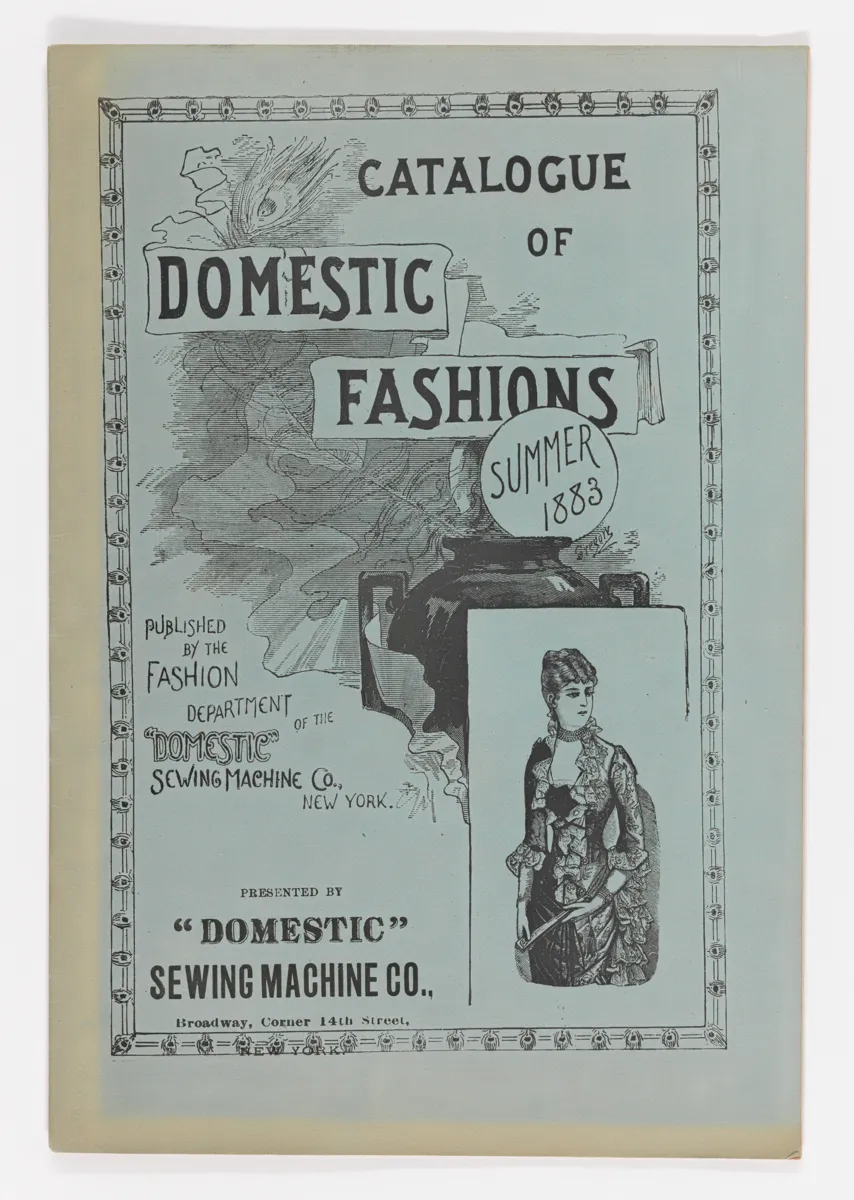
History of Sewing Patterns
Butterick, McCall's, Vogue and Simplicity, from 1800s magazines to PDFs.
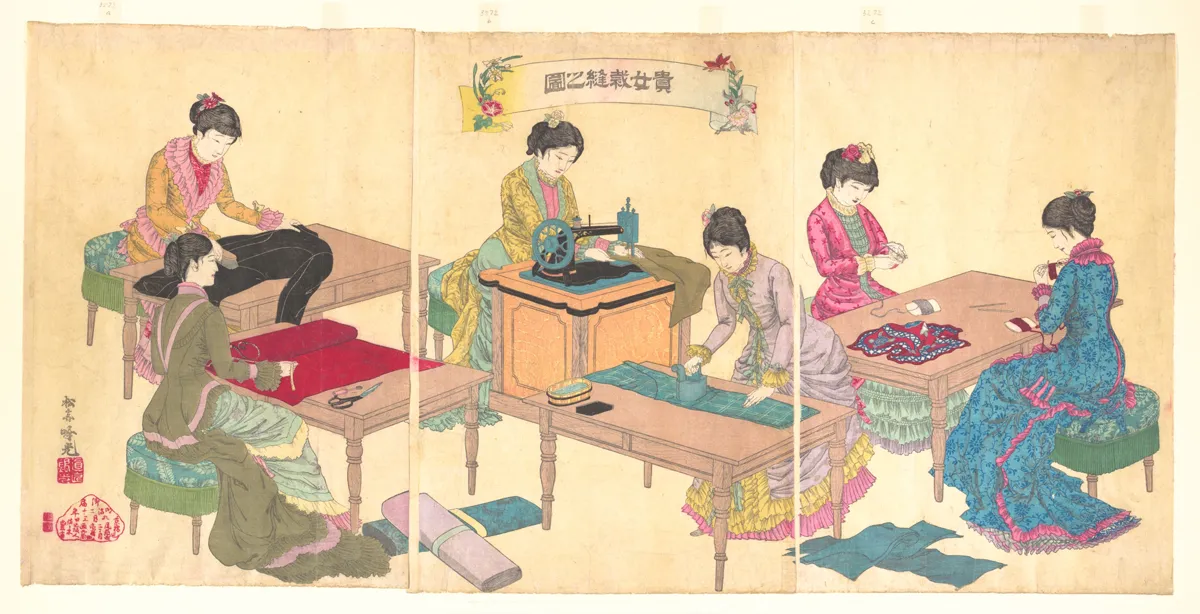
History of Sewing
How a bone splinter became a global industry, from the Ice Age to PDF patterns.
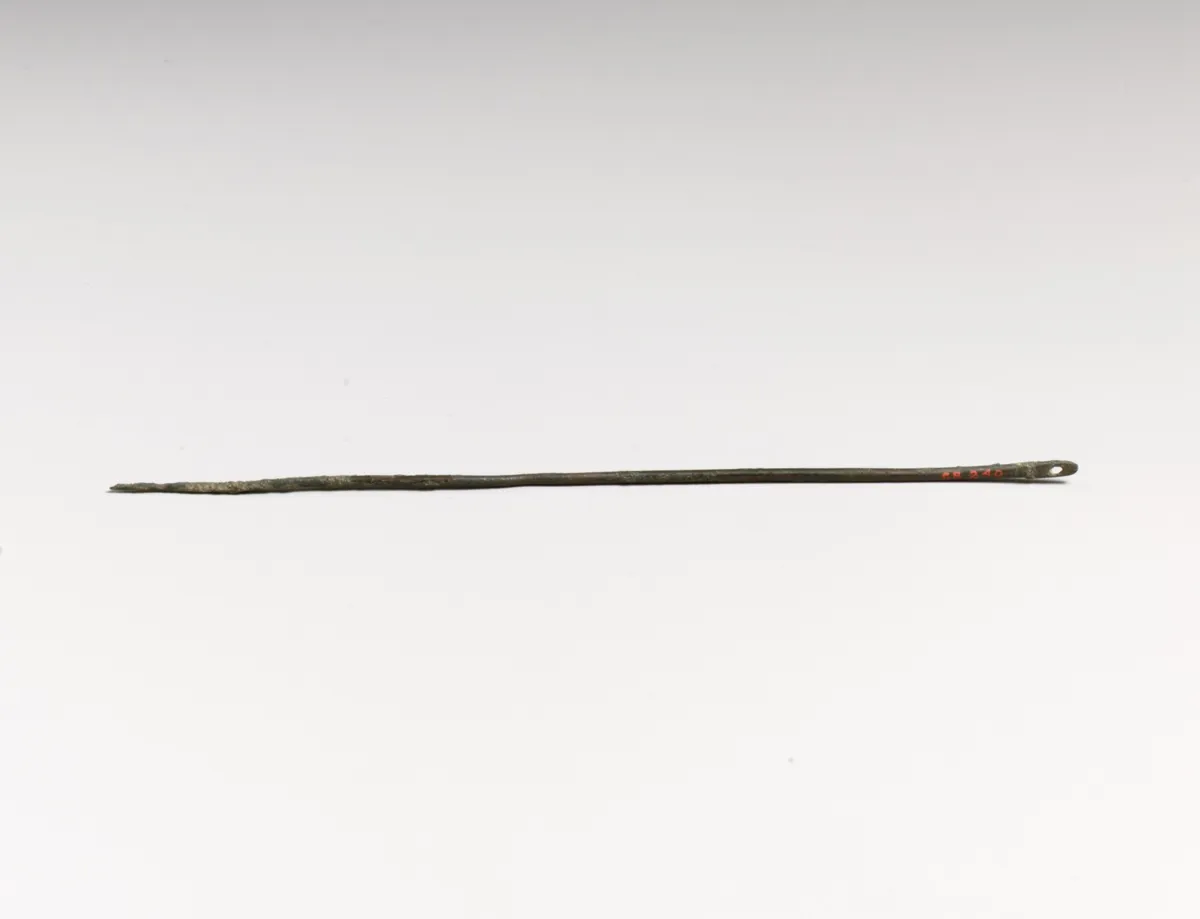
History of the Sewing Needle
From Denisovan bird bone to Redditch steel, the tool behind every stitch.
Sewing Facts
Surprising facts about sewing history, machines, tools and fabric, each one checked.