Types of Sewing Machines and What Each One Does (2026)
Sewing machines range from simple mechanical models to computerized embroidery machines and factory workhorses. This guide explains the main types, how they differ and how they work, with links to every machine guide on Sewing Portfolios.
In This Article
- Sewing Machine Types at a Glance
- Domestic vs. Industrial: The First Big Divide
- Mechanical Sewing Machines
- Computerized (Electronic) Sewing Machines
- Sergers (Overlockers)
- Coverstitch Machines
- Embroidery Machines
- Quilting and Longarm Machines
- Heavy-Duty, Mini and Specialty Machines
- Comparing the Main Types
- How a Machine Works and Its Parts
- Using Your Machine
- Choosing and Comparing Machines
- The History Behind the Machine
- Sources
- Frequently Asked Questions
Sewing Machine Types at a Glance
- Mechanical: dials and levers, simple and durable
- Computerized: buttons or a screen, many stitches and automatic features
- Serger (overlocker): trims and wraps edges with loopers
- Coverstitch: stretchy, professional hems on knits
- Embroidery: stitches designs automatically from digital files
- Quilting and longarm: extra space for large quilts
- Industrial: fast, specialized machines for factories and workrooms
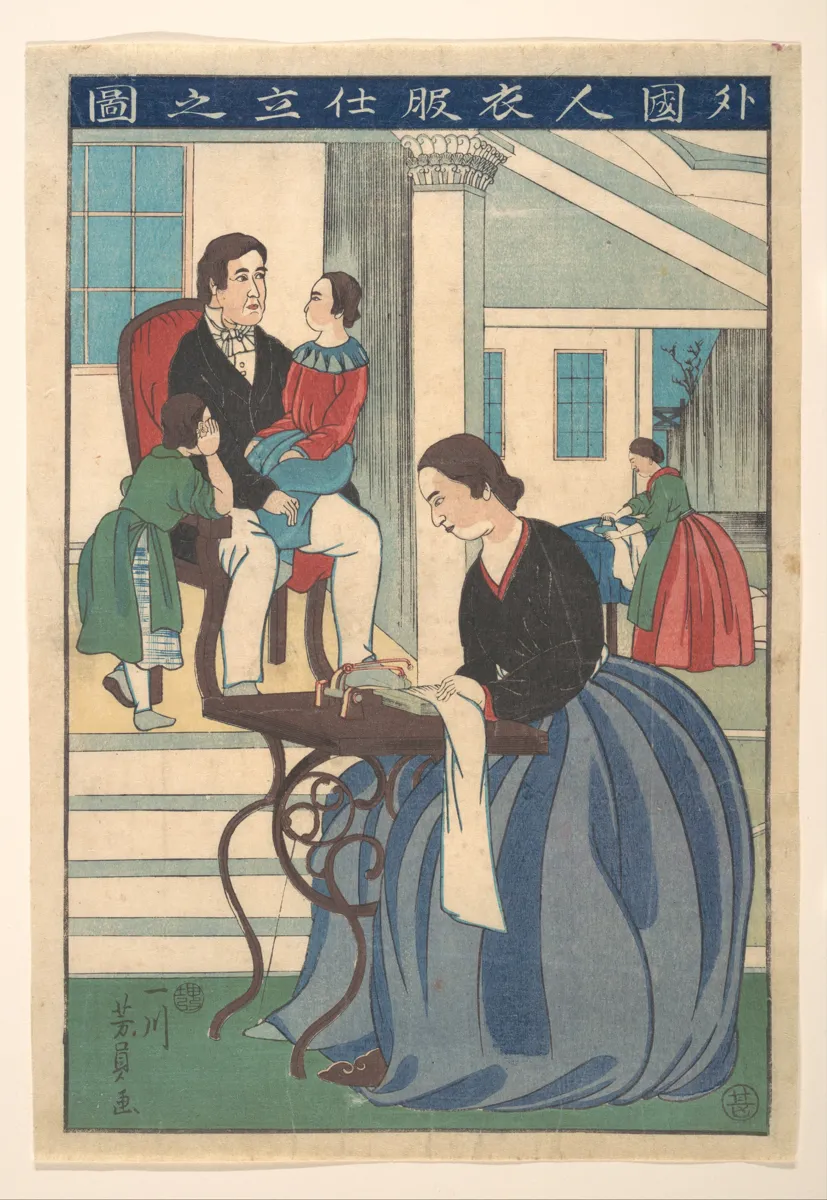
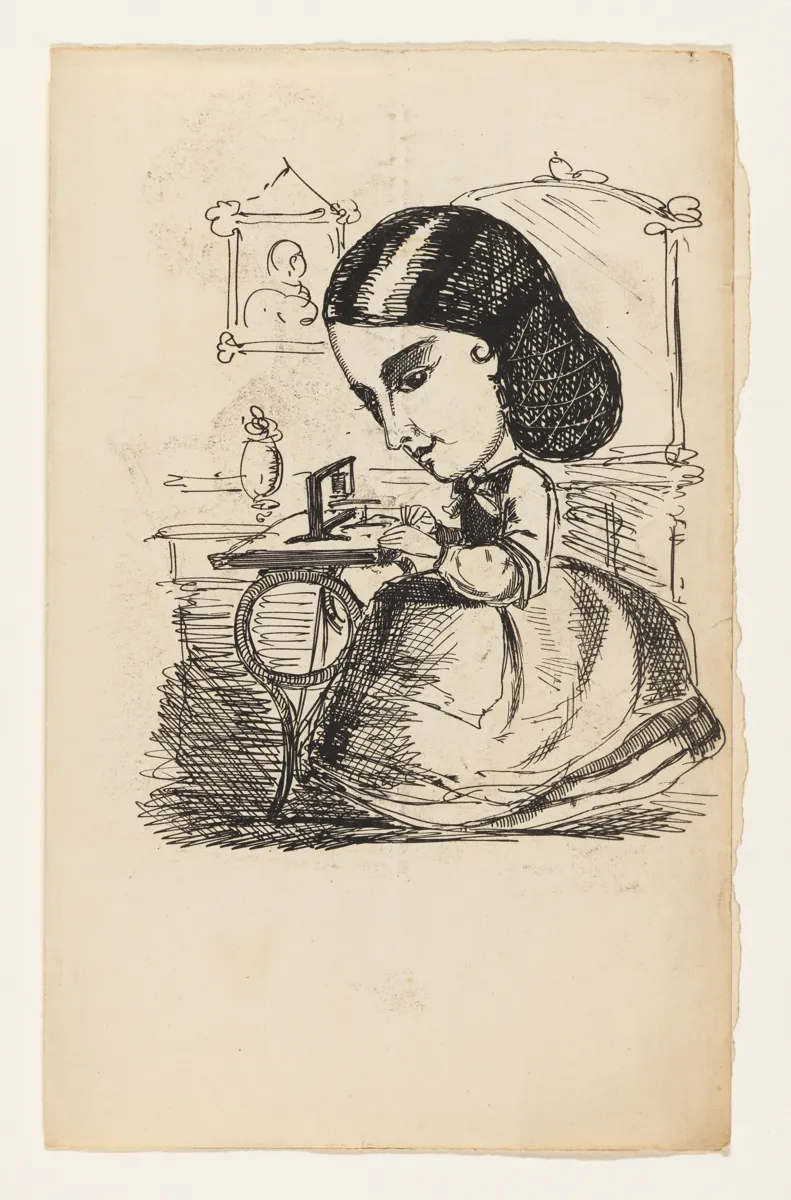
The sewing machine is one of the inventions that changed everyday life. Once machines spread from the 1850s, a man's shirt that took about 14½ hours to sew by hand could be made in roughly an hour. Today there are machines for nearly every sewing job, and choosing between them starts with knowing what each type actually does. The 1860 print above shows how new and fascinating the machine still was when it reached Japan.
Domestic vs. Industrial: The First Big Divide
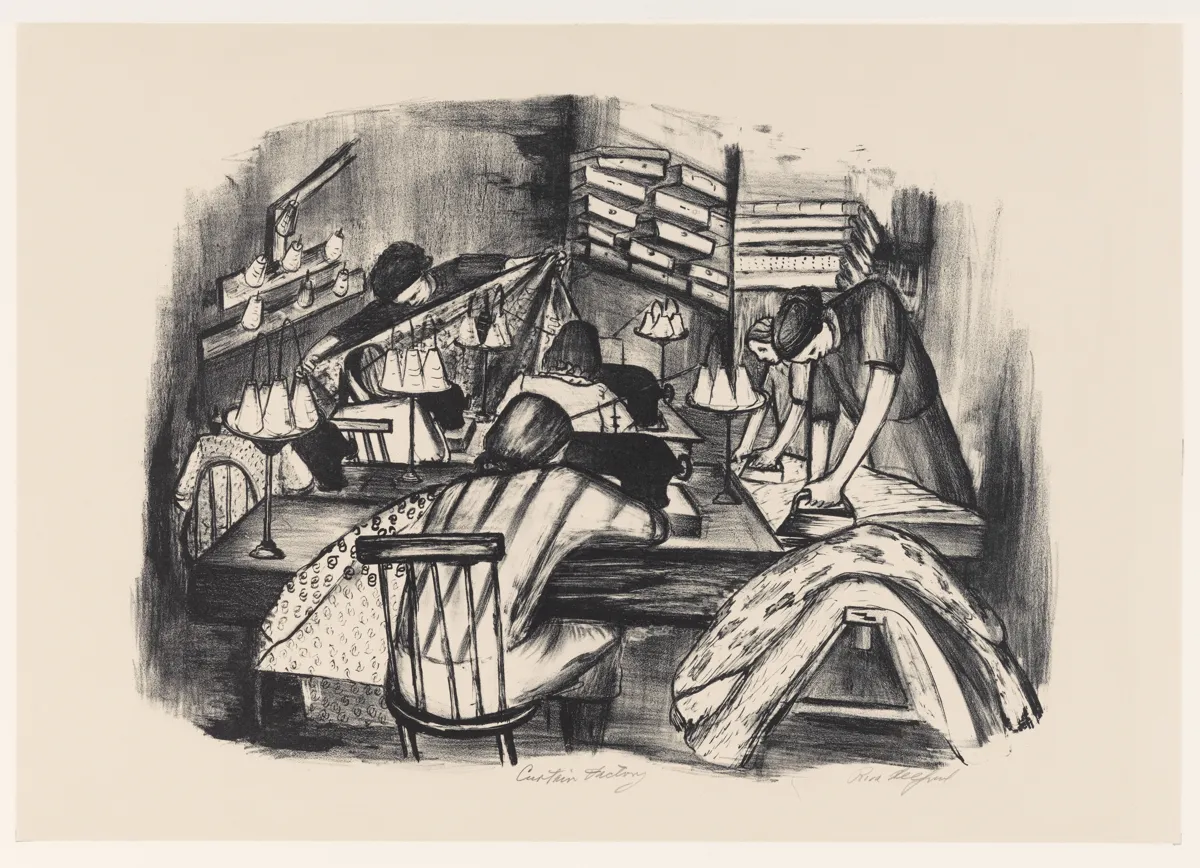
Sewing machines fall into two broad groups. Domestic (home) machines are built for one person sewing many different items, with the motor inside the machine. Industrial machines are larger and faster, usually perform a single dedicated task, can run continuously for long periods, and have a separate motor mounted under the table. A garment factory might use one machine for straight seams, another for overlocking edges and another just for buttonholes. See industrial vs. domestic sewing machines.
Mechanical Sewing Machines
Mechanical machines are controlled by dials, knobs and levers. You choose the stitch, length and width by turning a dial, and the machine has an electric motor but little or no electronics. They are generally affordable, simple to maintain and durable; well-made mechanical machines can last for generations. Their limits are a smaller range of stitches and fewer automatic features such as needle threading or thread cutting. Our comparison of mechanical vs. computerized machines goes into detail.
Computerized (Electronic) Sewing Machines
Electronic machines appeared in the 1970s, and today's computerized machines use buttons, a display or a touchscreen. They offer dozens or hundreds of stitches, automatic one-step buttonholes, needle up/down settings, speed control and sometimes built-in alphabets. They make precise, repeatable work easy, but they cost more and repairs are usually a job for a technician.
Sergers (Overlockers)
A serger, called an overlocker in many countries, sews, trims and finishes an edge in one pass. Instead of a bobbin, it uses loopers. Overlock machines use two to four threads (some home sergers offer more), one or two needles, and one or two loopers, and they often trim the fabric edge just ahead of the stitch. That makes them ideal for neat seam finishes and for sewing knit fabrics, where an overlocked seam stretches with the fabric. A serger does not replace a sewing machine: it cannot sew a zipper, topstitch or make a buttonhole. See serger vs. sewing machine and how a serger works.
Coverstitch Machines
Look at the hem of a T-shirt and you will usually see two or three parallel rows of stitching on the outside with looped threads on the inside. That is a coverstitch. Coverstitch machines use two or more needles and one or two loopers, and they are widely used for hemming knits, attaching trims and flat seaming. Some sergers convert to coverstitch, but dedicated machines are easier to switch between tasks. See coverstitch machines.
Embroidery Machines
Embroidery machines stitch designs automatically. Fabric is held tight in a hoop, which the machine moves under the needle while following a digital design file. Home embroidery machines usually have a single needle and require you to change thread colors by hand, while multi-needle machines can switch colors automatically. Many home machines are combination sewing and embroidery machines. See how embroidery machines work.
Quilting and Longarm Machines
Quilting puts heavy demands on a machine: the whole quilt has to pass through the space between the needle and the machine body, called the throat. Domestic machines marketed for quilting usually have a larger throat, an extension table and features such as a walking foot. Longarm quilting machines go further: the quilt is stretched on a frame, and the machine head moves over it, either guided by hand or by a computer. Sit-down "midarm" machines sit between the two. See longarm quilting machines.
Heavy-Duty, Mini and Specialty Machines
- Heavy-duty machines have stronger motors and sturdier frames for denim, canvas and many layers.
- Mini and portable machines are small and inexpensive but usually less powerful and less precise.
- Blind hem, buttonhole and button-sewing machines are specialized industrial machines that do one job very quickly.
- Treadle and hand-crank machines are human-powered, the norm before electric motors became common, and still loved by vintage collectors. See our guides to treadle and hand-crank machines.
Comparing the Main Types
| Type | Threads | Best For | Not For |
|---|---|---|---|
| Mechanical sewing machine | Needle thread + bobbin | General sewing, beginners, durability | Large stitch libraries, automation |
| Computerized sewing machine | Needle thread + bobbin | Precision, many stitches, buttonholes | Simple, repair-it-yourself use |
| Serger / overlocker | Usually 2–4 (some 5 or more) | Edge finishing, knit seams | Zippers, topstitching, buttonholes |
| Coverstitch | Usually 2–4 | Knit hems, binding, trims | General construction |
| Embroidery machine | Needle thread + bobbin | Automatic designs and monograms | Garment construction (unless a combination model) |
| Longarm quilting | Needle thread + bobbin | Quilting large quilts on a frame | Garment sewing |
| Industrial | Depends on task | Speed and volume for one job | Versatility |
How a Machine Works and Its Parts
Every home sewing machine, from a 150-year-old treadle to a modern computerized model, makes the same basic stitch: the lockstitch. Lockstitch is the stitch on most household machines and most single-needle industrial machines, with one thread from the needle and one from a bobbin. Our guides explain how that happens and what each part of the machine does:
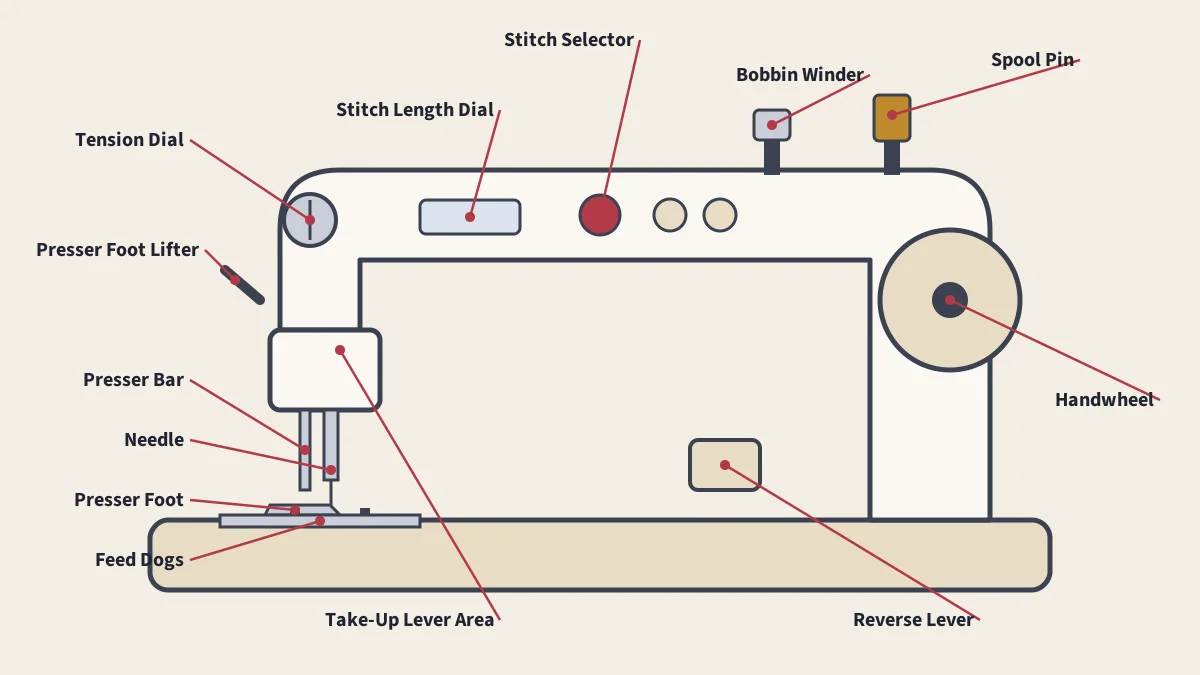
Parts of a Sewing Machine
A labeled diagram and what every part of the machine does.
How a Sewing Machine Works
The lockstitch step by step: needle, hook, bobbin and feed dogs.
Lockstitch vs. Chain Stitch
How the two machine stitches differ, and where each is still used.
Using Your Machine
These guides cover the everyday skills every machine owner needs, from threading to fixing stitches that go wrong.
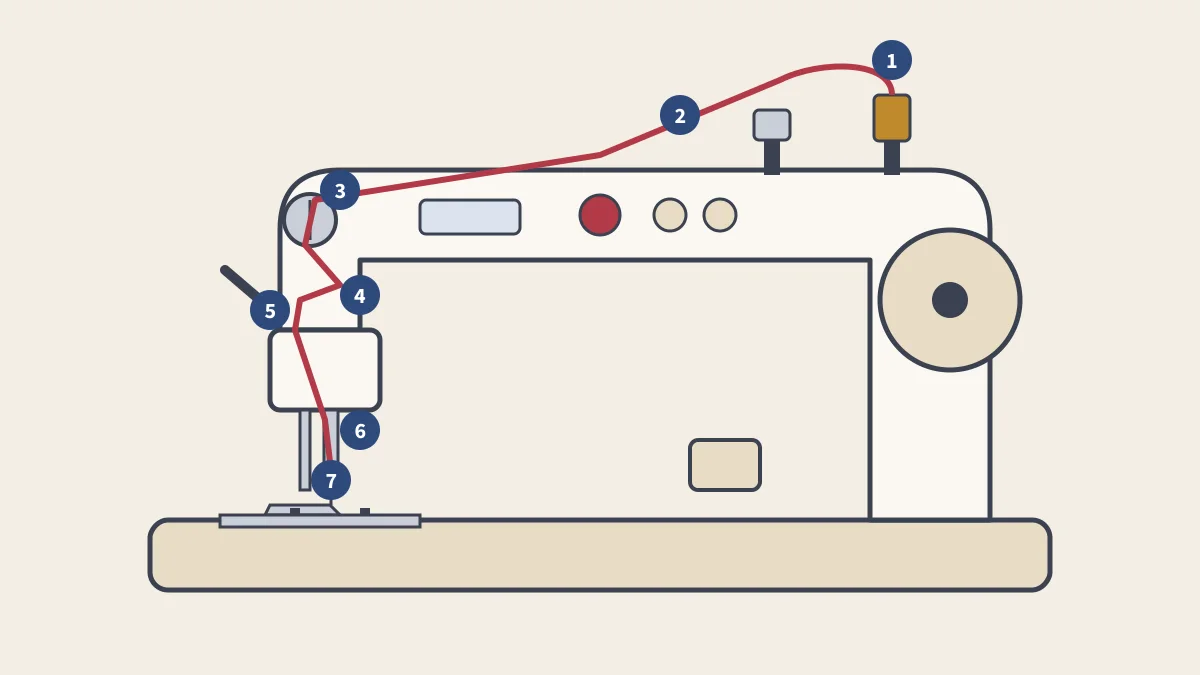
How to Thread a Sewing Machine
The thread path step by step, plus the habits that prevent tangles.
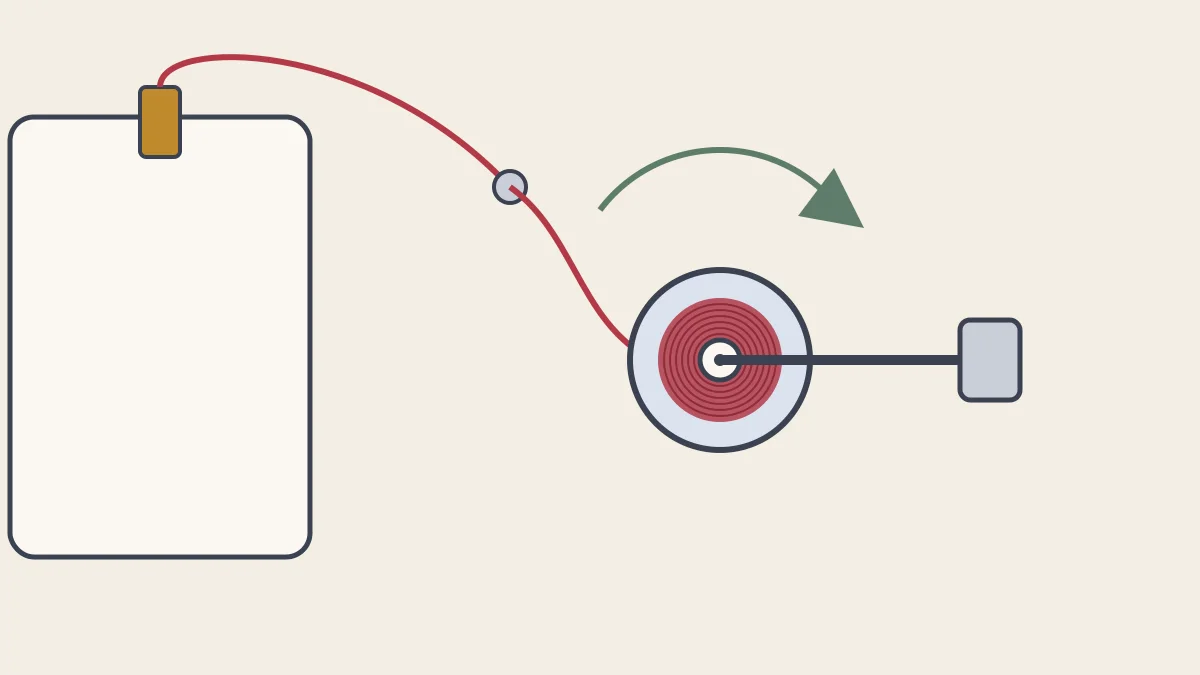
How to Wind a Bobbin
Steps for modern and vintage machines, plus fixes for lumpy bobbins.
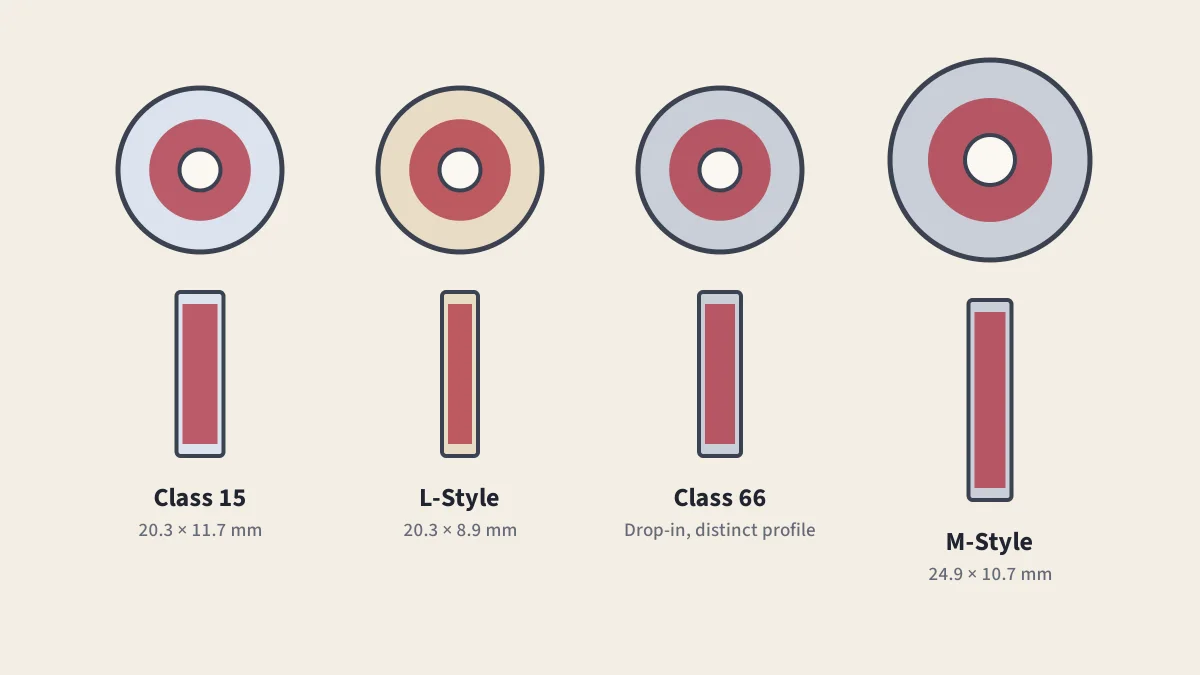
Bobbin Types and Classes
Class 15, 15J, 66, L and M bobbins compared, with sizes.
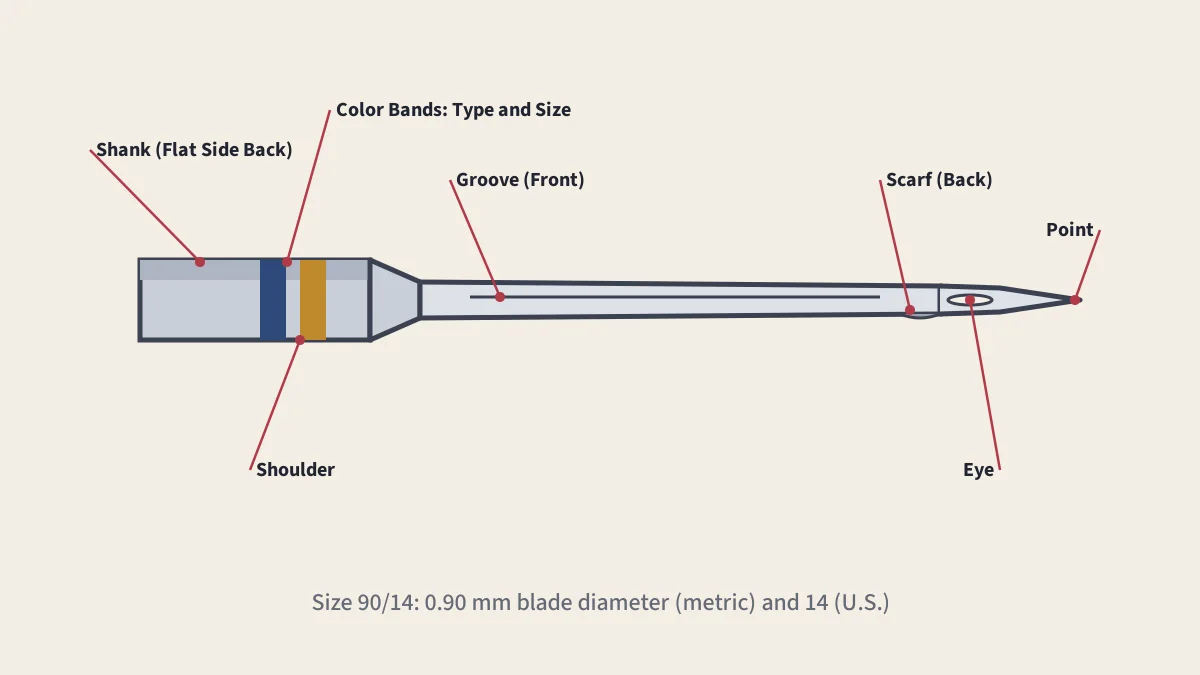
Sewing Machine Needle Sizes and Types
Needle sizes, types, color codes and when to change them.
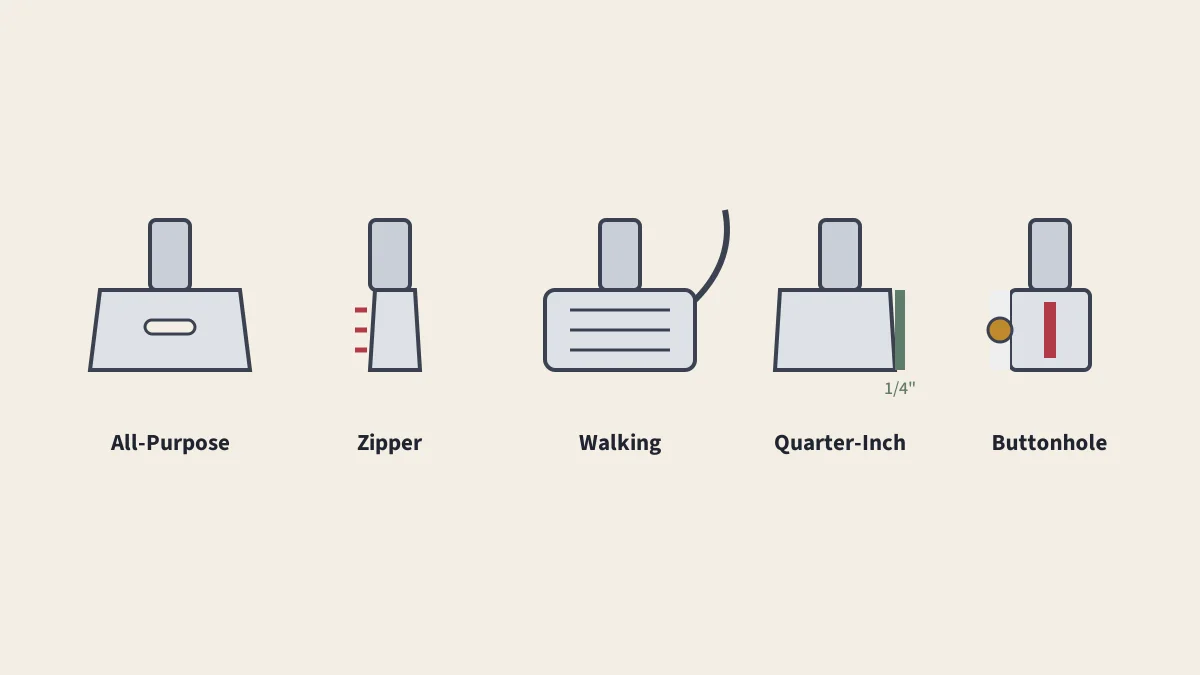
Presser Feet Guide
What each presser foot does and how to check it fits your machine.
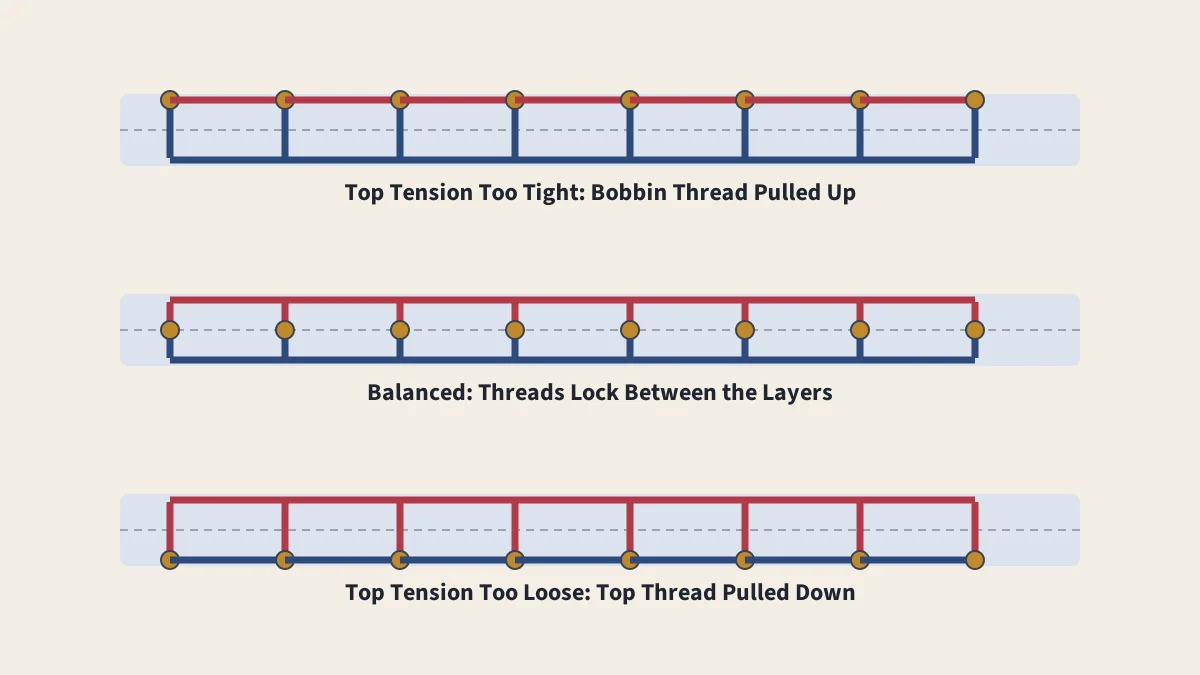
Stitch Length and Tension Explained
What the dials mean, common settings, and how to balance tension.
Common Sewing Machine Problems
Thread nests, skipped stitches, broken needles and feeding faults fixed.
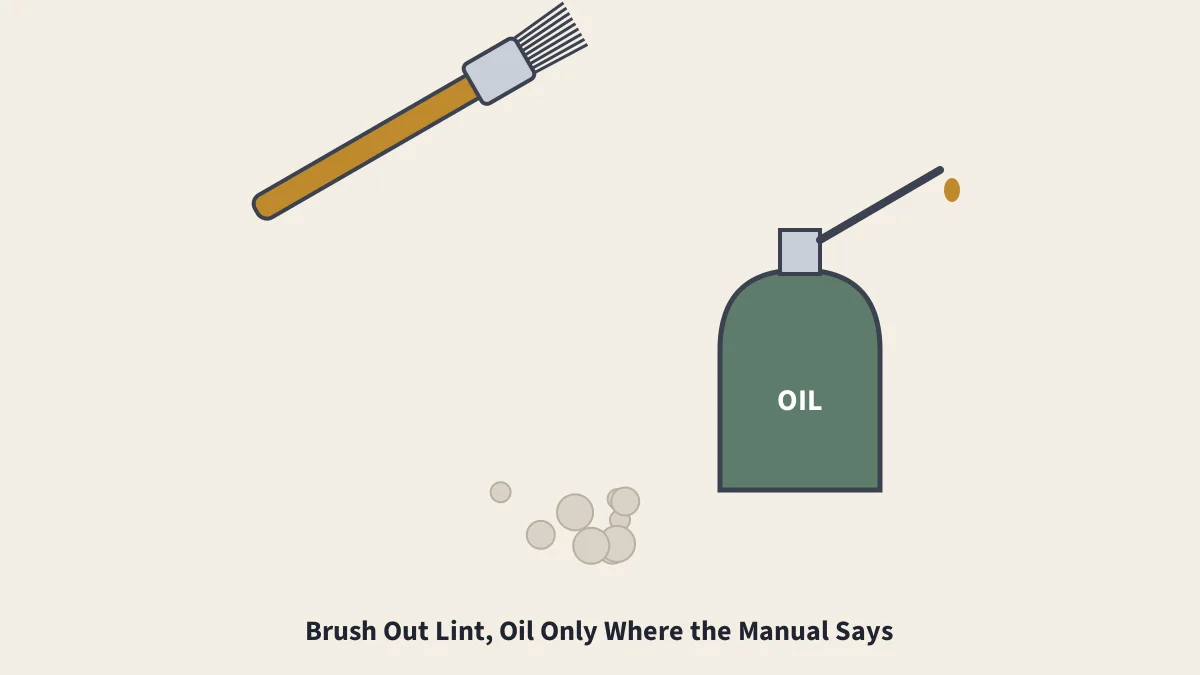
Sewing Machine Maintenance
Cleaning lint, oiling safely, and when to book a service.
Choosing and Comparing Machines
Each type of machine has its own guide, from sergers and coverstitch machines to embroidery machines, longarms and industrial workhorses.
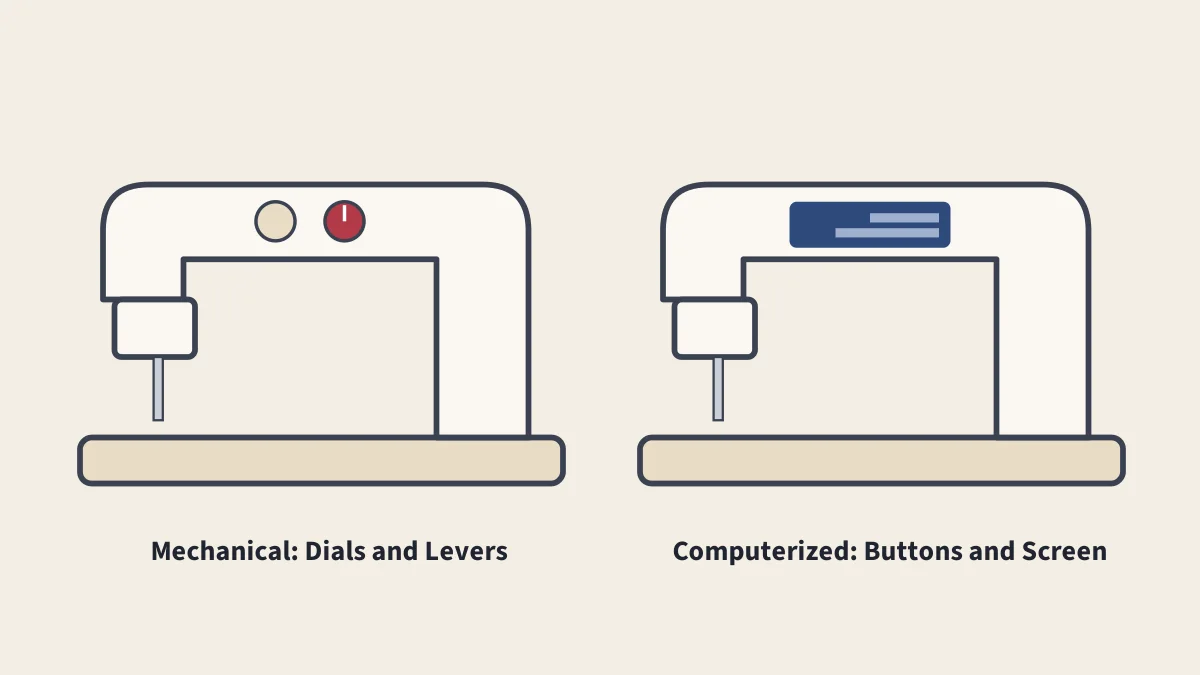
Mechanical vs. Computerized Machines
Dials vs. touchscreens: features, durability and repairs compared.
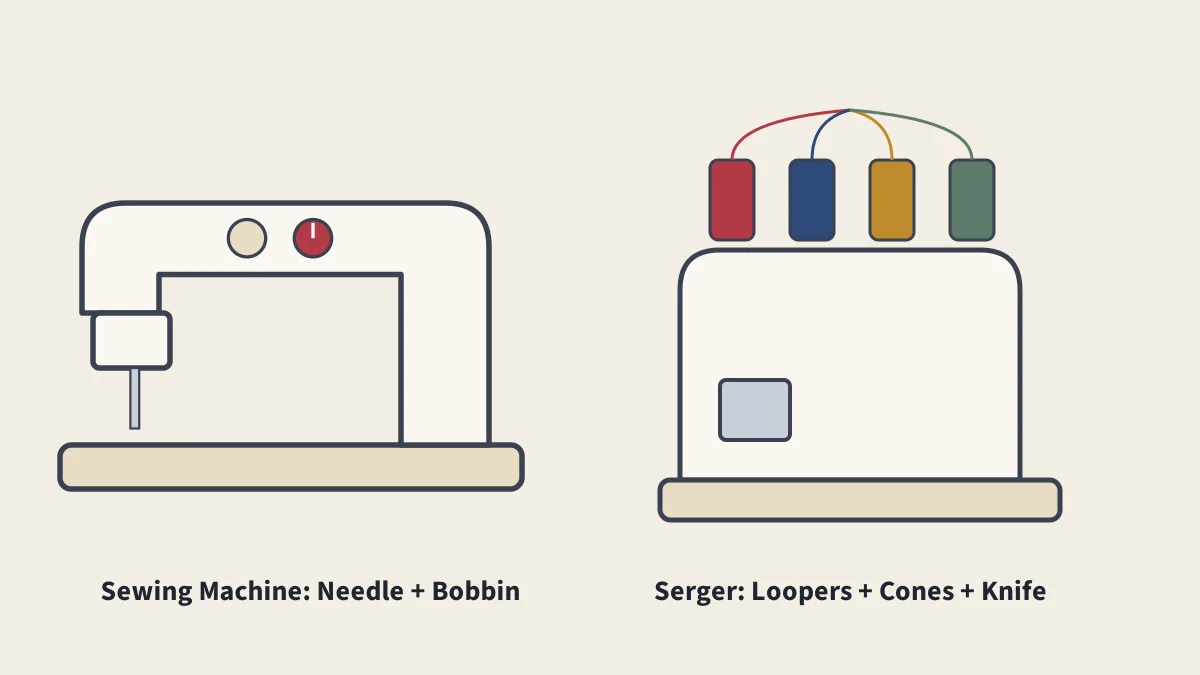
Serger vs. Sewing Machine
How a serger and a sewing machine differ, and whether you need both.
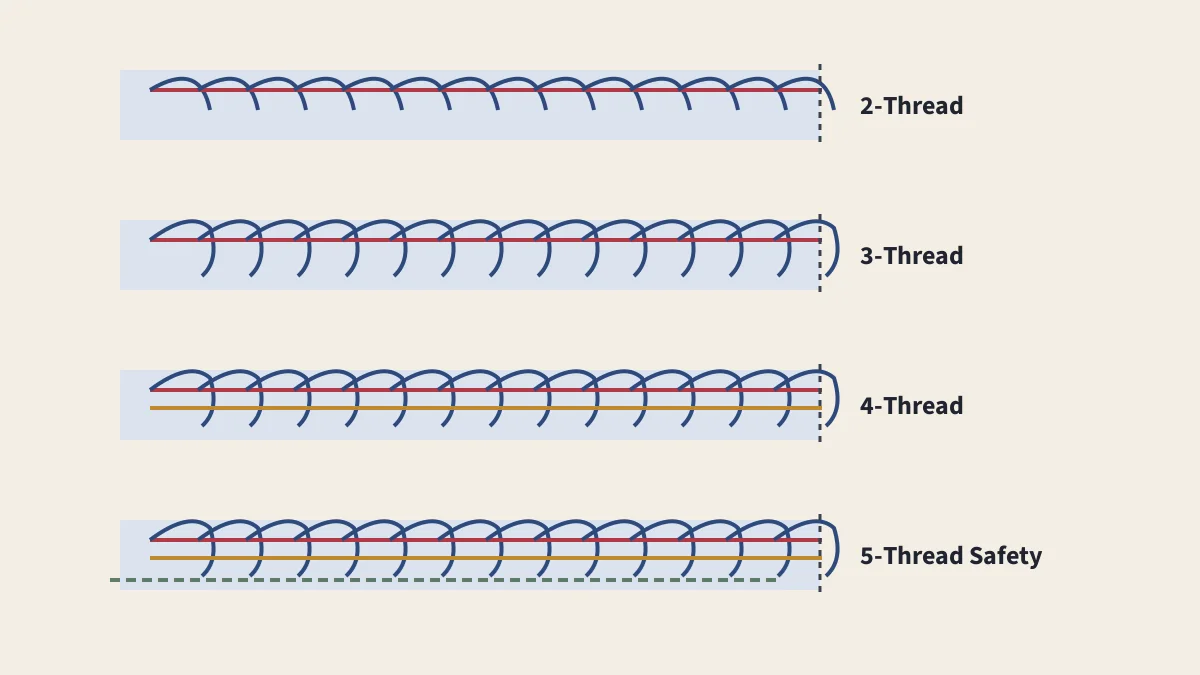
How a Serger Works
Loopers, knives, differential feed and every thread combination.
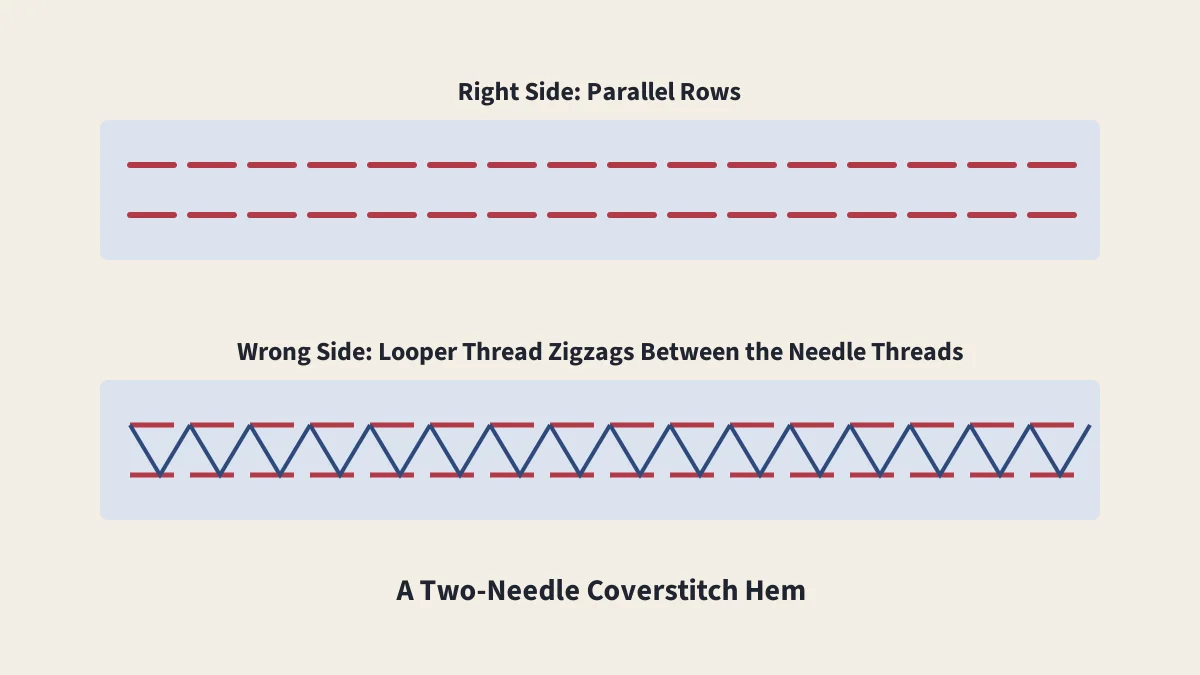
Coverstitch Machines
How coverstitch hems work and how they compare with sergers.
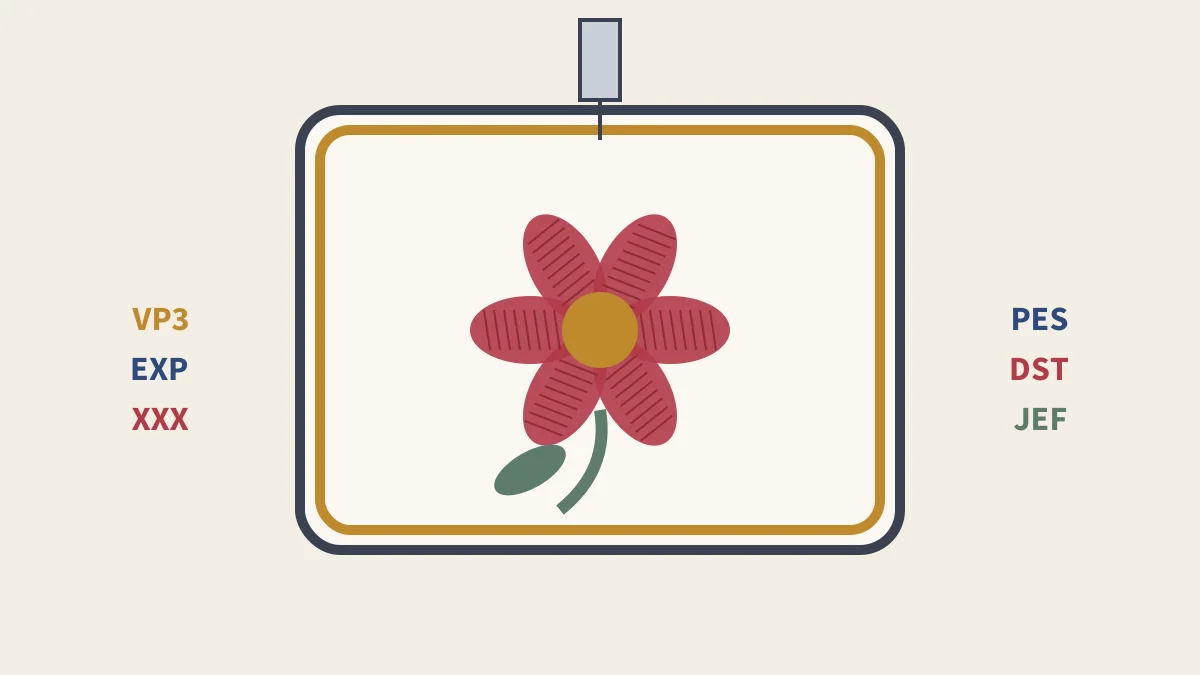
How Embroidery Machines Work
Hoops, digitizing, stabilizers and embroidery file formats explained.
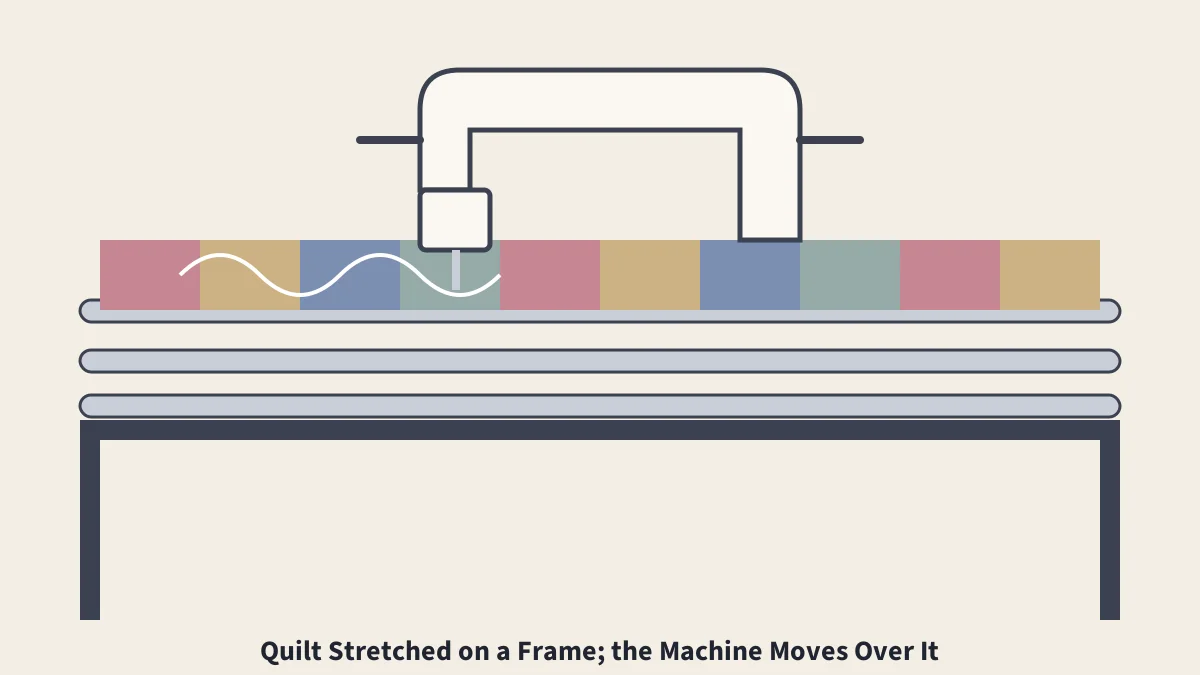
Longarm Quilting Machines
Frames, throat space, stitch regulation and computerized quilting.
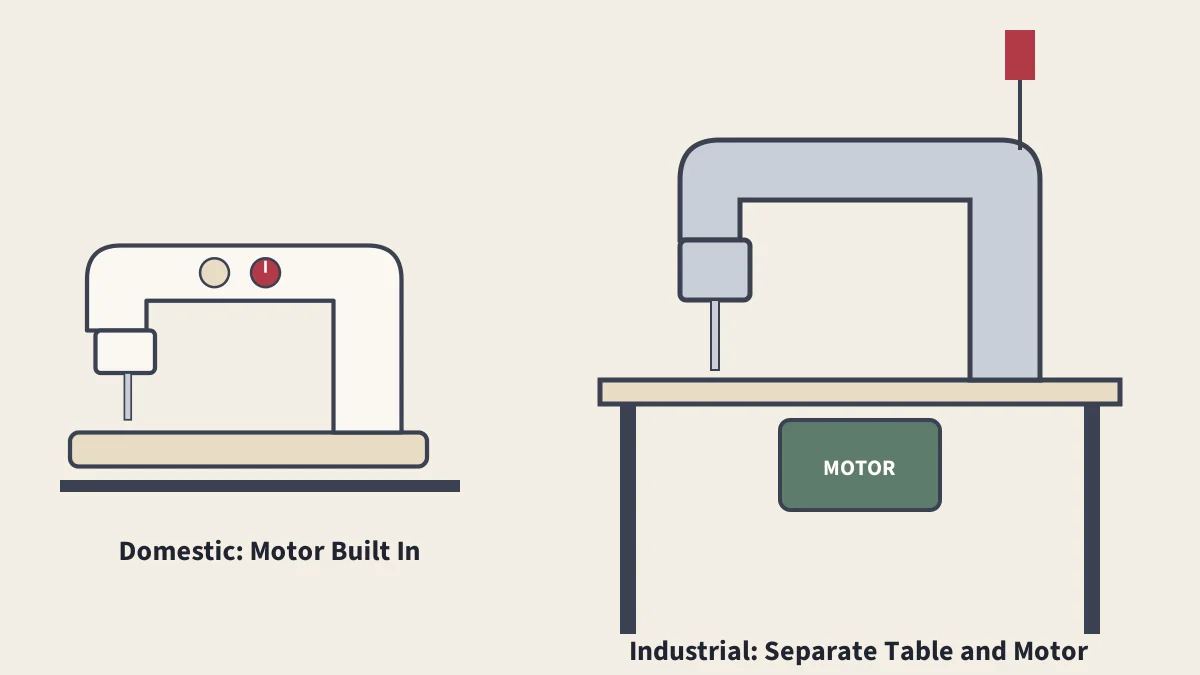
Industrial vs. Domestic Machines
Speed, motors, tables and single-purpose design compared.
The History Behind the Machine
The machine on your table is the result of decades of rival inventions, lawsuits and marketing breakthroughs. Read who invented the sewing machine, the story of the Sewing Machine War and the history of the Singer Company.
Sources
- Sewing machine, Wikipedia
- Utagawa Yoshikazu, Foreign Family with Wife Making Clothes, The Metropolitan Museum of Art
Frequently Asked Questions
What are the main types of sewing machines?
For home sewing: mechanical machines, computerized (electronic) machines, sergers or overlockers, coverstitch machines, embroidery machines and quilting machines including longarms. Factories use industrial machines, which are usually built for one dedicated task.
What is the difference between a sewing machine and a serger?
A sewing machine makes a lockstitch with a needle thread and a bobbin thread and can sew anywhere on the fabric. A serger (overlocker) uses loopers instead of a bobbin, trims the fabric edge as it sews and wraps the edge in thread. Most sewists use a sewing machine first and add a serger later.
What is the difference between domestic and industrial sewing machines?
Industrial machines are larger and faster, usually perform one dedicated task, and have a separate motor mounted under the table. Domestic machines are built for one person sewing many kinds of items and have the motor inside the machine.
What type of sewing machine should a beginner get?
A basic mechanical or simple computerized machine with straight stitch, zigzag, adjustable stitch length and width, reverse and a buttonhole function covers nearly everything a beginner needs.
Keep Reading
Parts of a Sewing Machine
A labeled diagram and what every part of the machine does.
How a Sewing Machine Works
The lockstitch step by step: needle, hook, bobbin and feed dogs.
Who Invented the Sewing Machine?
Saint, Thimonnier, Hunt, Howe or Singer? The inventors and who deserves the credit.
Isaac Singer and the Singer Company
An actor, a lawyer and a payment plan built sewing's most famous brand.