The History of the Garment Industry: From Sweatshops to Global Supply Chains (2026)
Most clothing is now made in factories, many of them in Asia, by a workforce that is mostly women. The industry's history is one of new machines, hard working conditions and hard-won reforms.
In This Article
The Garment Industry in Brief
- Drivers: the loom, cotton gin and sewing machine
- Early 20th century: sweatshops
- Today: China makes over half of apparel
- 2013: Rana Plaza kills 1,134
- Workforce: mostly women
The garment industry makes and sells clothing. Inventions such as the loom, the cotton gin and the sewing machine drove the industrialization of textile and clothing production. For how clothes were made before that, see how clothes were made before sewing machines, and for the rise of standard sizes, the history of ready-to-wear clothing.
Sweatshops and Outworkers
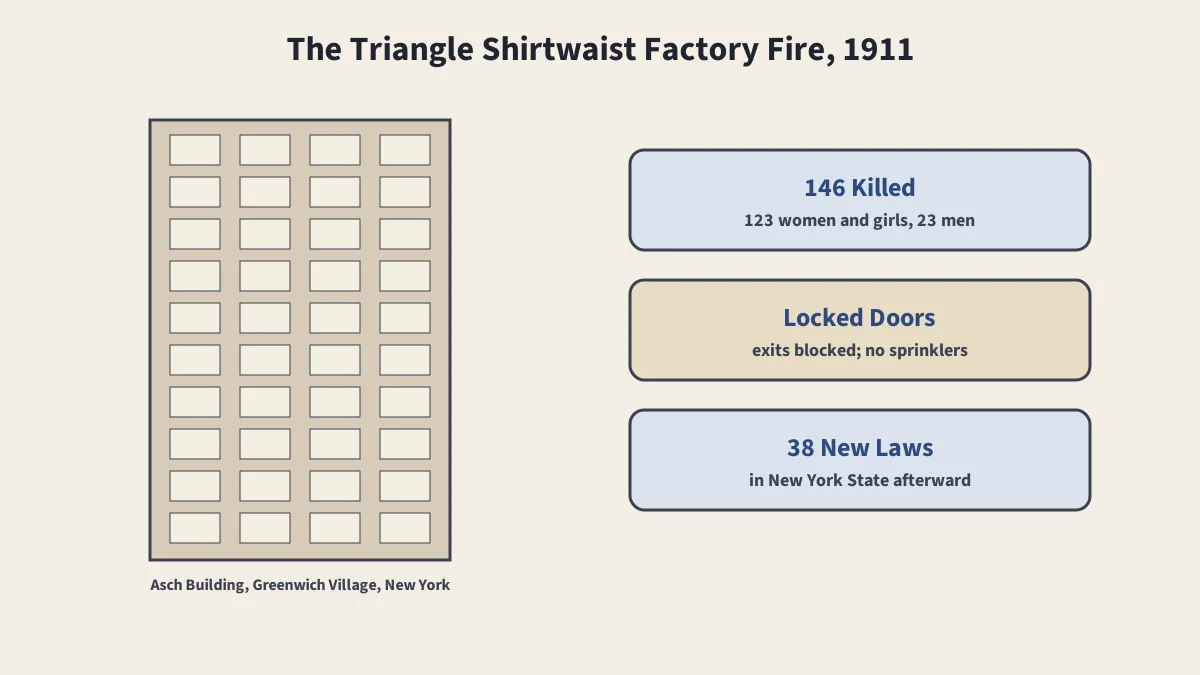
By the early 20th century, much garment work in developed countries took place in "sweatshops," with crowded conditions and pay below a living wage. Much was also done at home: a 1901 census in Bristol, England, found that female outworkers made up nearly a third of clothing workers. In New York, SoHo was a historic hub of the "rag trade." Disasters such as the Triangle Shirtwaist Factory fire of 1911 led to new labor laws.
The Global Industry Today
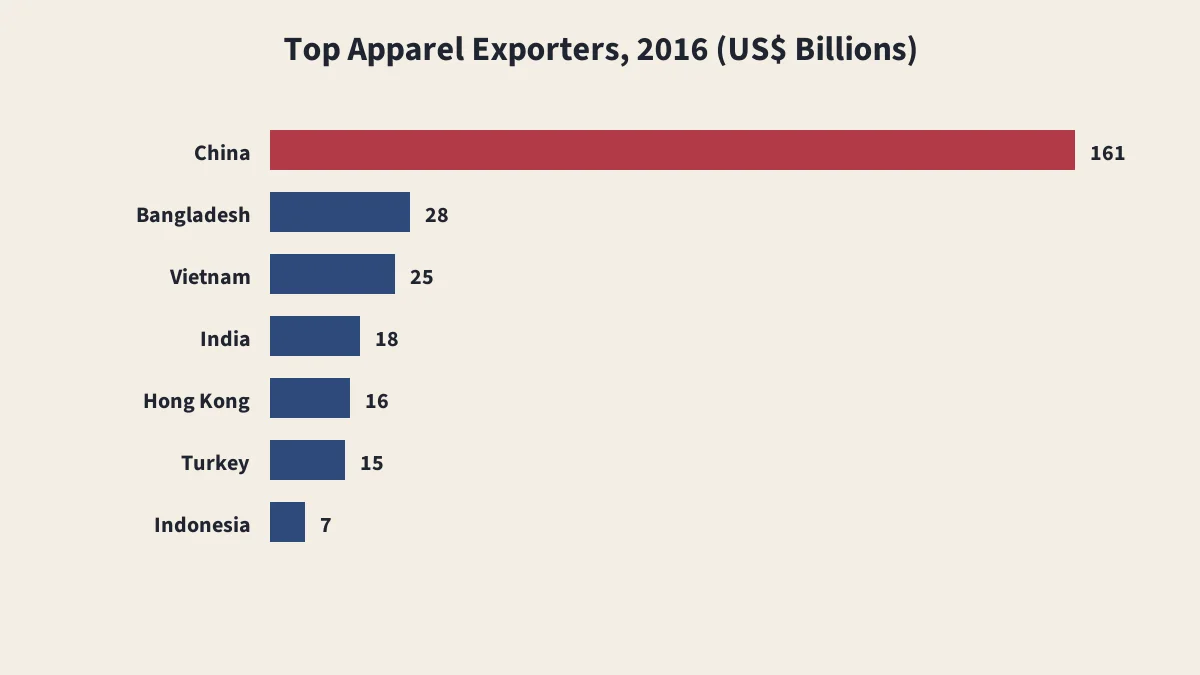
China has been the world's largest clothing manufacturer for over a decade, with more than 50% of global apparel production.
| Exporter (2016) | Apparel Exports (US$) |
|---|---|
| China | $161 billion |
| Bangladesh | $28 billion |
| Vietnam | $25 billion |
| India | $18 billion |
| Hong Kong | $16 billion |
| Turkey | $15 billion |
| Indonesia | $7 billion |
Bangladesh is among the lowest-cost producers, with wages reported at around 30 euros a month, compared with 150 to 200 euros in China. Cambodia's garment sector employed 800,000 workers in 2019, most of them women.
Rana Plaza
On 24 April 2013, the eight-story Rana Plaza building in Savar, Bangladesh, collapsed, killing 1,134 people. Structural cracks had been identified the day before, yet many workers were told to report for work the next day.
Fast Fashion and Its Workforce
Fast-fashion retailers sell trendy clothing at low prices, and critics link the model to waste, low pay and overconsumption; see textile waste. Women make up a large majority of workers in export processing zones: 90% in Nicaragua, 80% in Bangladesh, and 75% in Honduras, the Philippines and Sri Lanka.
Sources
- Garment industry, Wikipedia
Frequently Asked Questions
Where are most clothes made today?
China has been the world's largest clothing manufacturer for over a decade, with more than half of global apparel production. Other major exporters include Bangladesh, Vietnam, India and Turkey.
What is a sweatshop?
A workplace with crowded conditions and pay below a living wage. By the early 20th century, much garment work in developed countries took place in such shops.
What was the Rana Plaza disaster?
The collapse of an eight-story commercial building in Savar, Bangladesh, on 24 April 2013, which killed 1,134 people. Cracks had been found the day before, yet many workers were told to return.
Who works in the garment industry?
Mostly women. Women make up 90% of export processing zone workers in Nicaragua and 80% in Bangladesh, for example.
Keep Reading
The Triangle Shirtwaist Factory Fire
The fire, its victims and the reforms that followed.
History of Ready-to-Wear Clothing
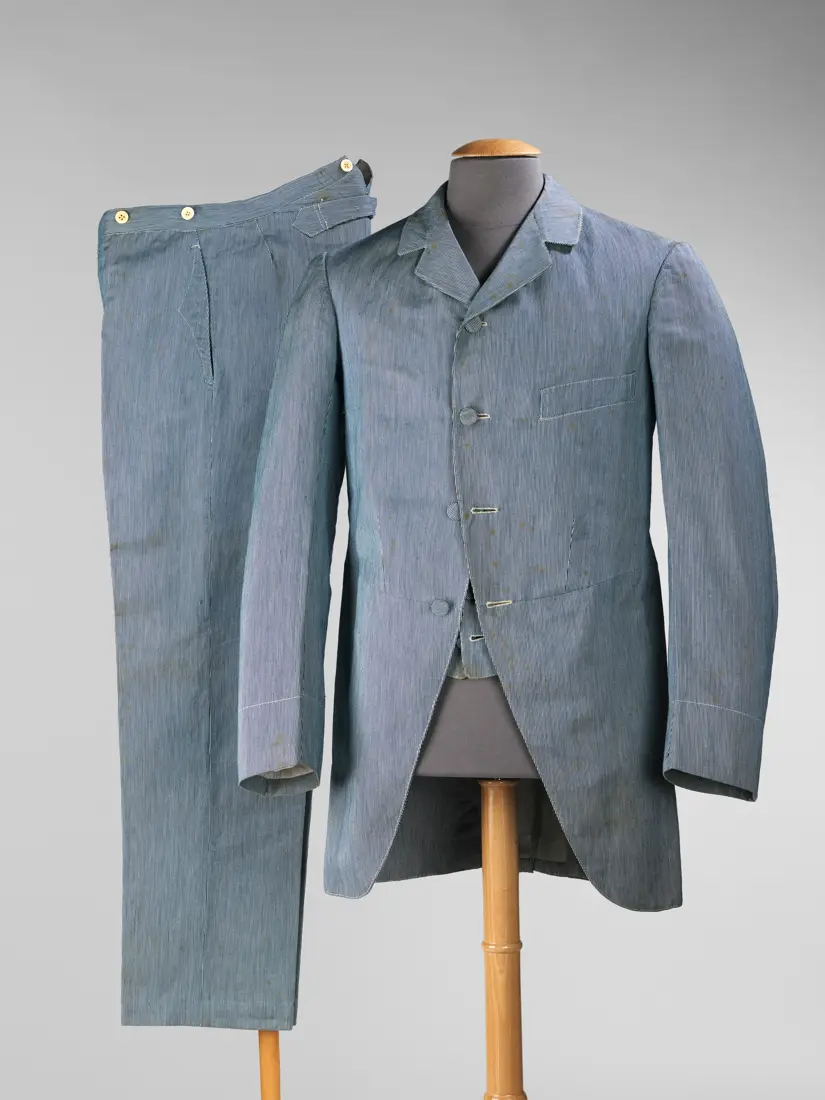
How slop shops, war uniforms and sewing machines created off-the-rack clothes.
Textile Waste and Sustainability
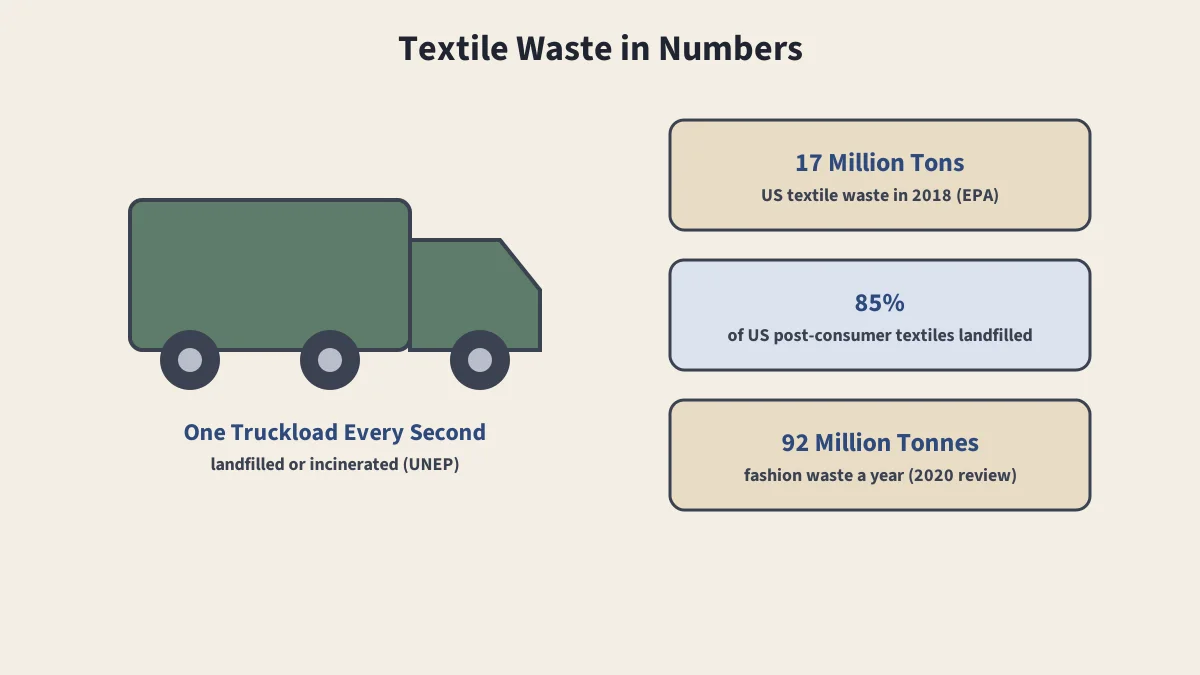
Sourced textile waste figures, recycling and practical steps.
Before Sewing Machines
Tailors, dressmakers and hand sewing before machines.