Sewing Circles and Quilting Bees: Stitching Communities Together (2026)
Sewing has always been a social act as well as a practical one. For more than two centuries, people have gathered to stitch for charity, for causes and for each other's company.
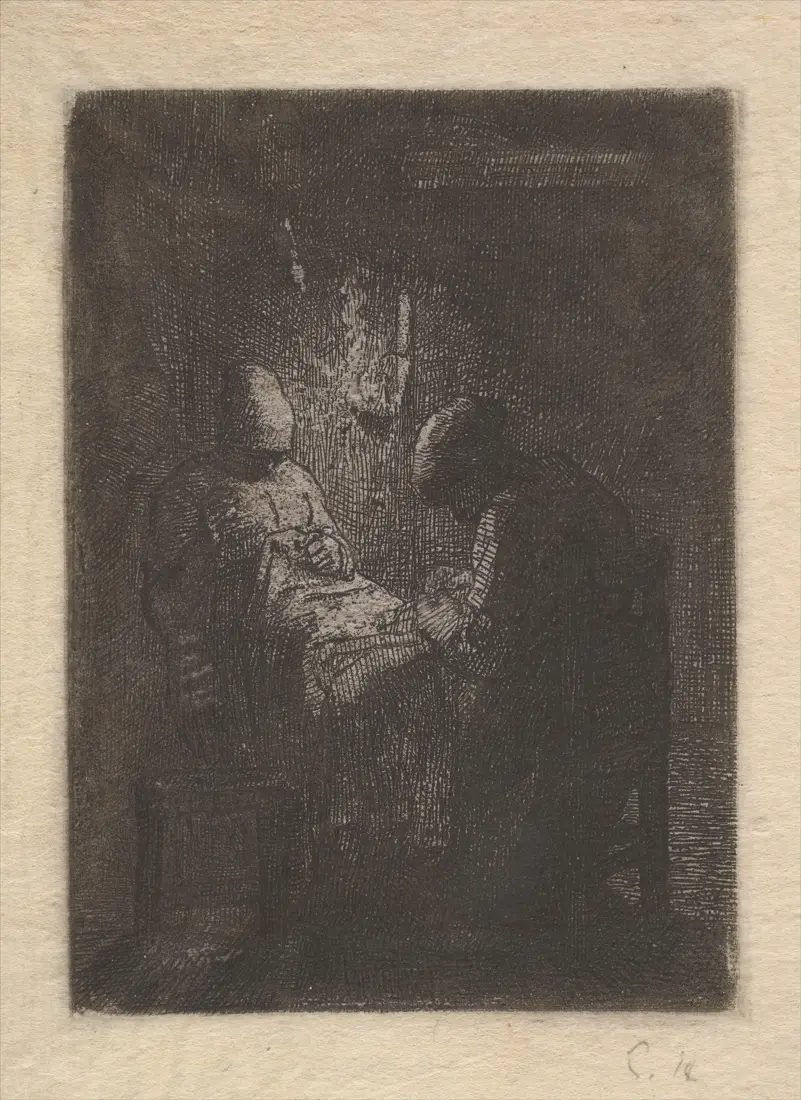
In This Article
Sewing Together in Brief
- 1760s–1770s: American women hold spinning bees to produce homespun cloth during boycotts of British goods
- 1812: the Fragment Society is founded in Boston to clothe people in need
- 1840s: anti-slavery sewing circles raise money for the abolitionist cause
- 1861: soldiers' aid societies sew and knit for Union troops through the U.S. Sanitary Commission
- 1976: the U.S. bicentennial sparks a revival of quilting circles and guilds
Picture a sewing circle and you may imagine a few friends gathered around a table with tea, needles and conversation. That picture is accurate, but it leaves out how powerful those gatherings were. Sewing circles clothed the poor, funded social movements, supplied armies and gave women a public role at a time when they had few others.
Bees: Working Together in Early America
In early America, a "bee" was a gathering of neighbors who came together to finish a large task quickly, like bees working in a hive. Communities held husking bees, apple bees, barn raisings and, for textile work, spinning bees and quilting bees.
Spinning bees took on political meaning in the years before the American Revolution. When colonists boycotted British goods, women gathered to spin yarn for homespun cloth, and the events were publicized as acts of patriotism. Sewing and textile work, usually private household labor, became a public statement.
The Quilting Bee
Quilting a full-size quilt by hand is slow, and the three layers have to be stretched in a large frame while many stitches are made through them. A quilting bee let several quilters sit around the frame and finish in a day what might take one person weeks. Group quilting continued throughout the nineteenth century, especially in North America.
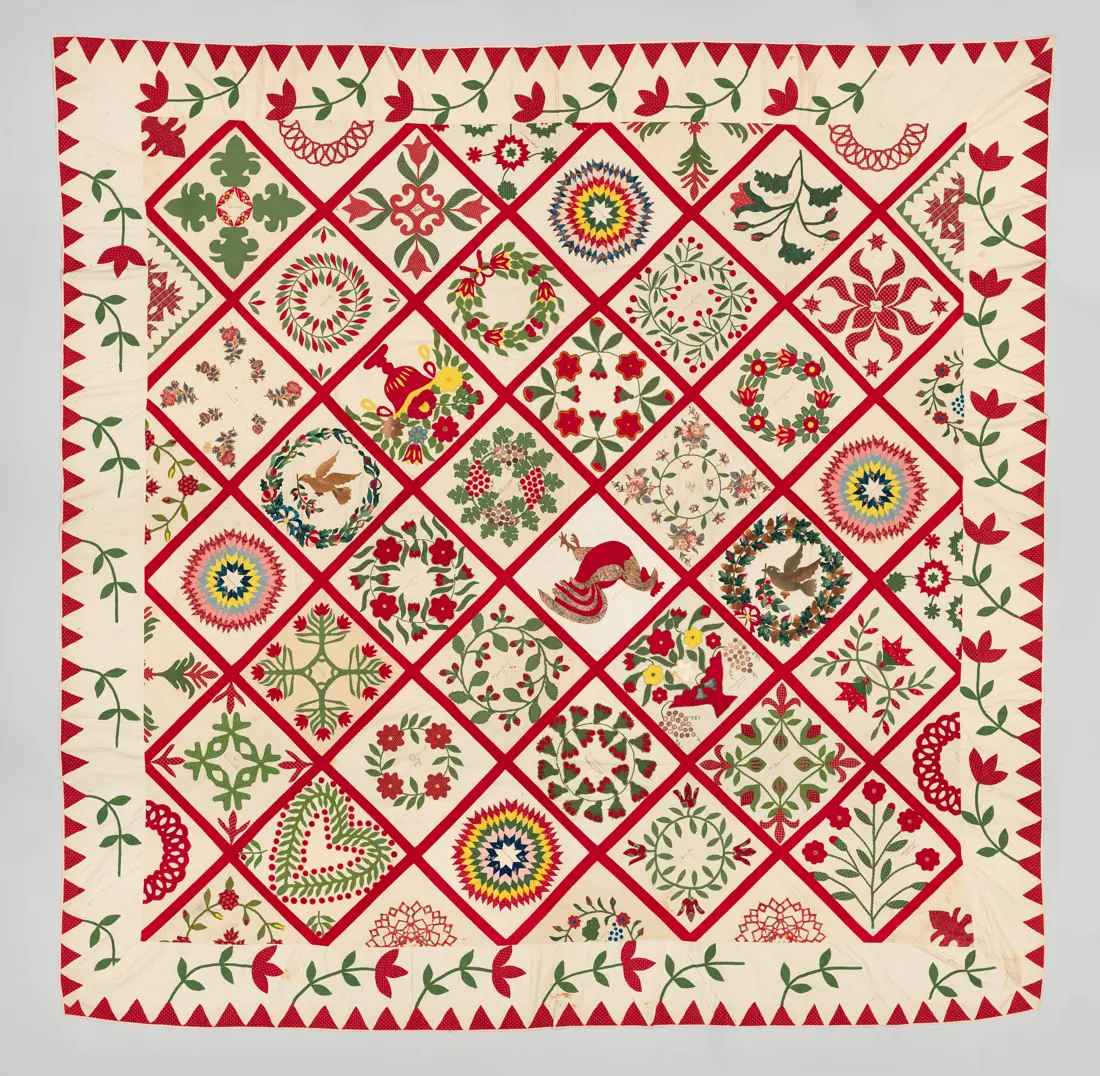
Quilts made by groups often carried the signatures or blocks of many makers. Album quilts, assembled from blocks made by different people, became popular in the 1840s. The Baltimore album quilt below, credited by the Met to "various artists," is a famous example of the style.
Sewing Circles With a Mission
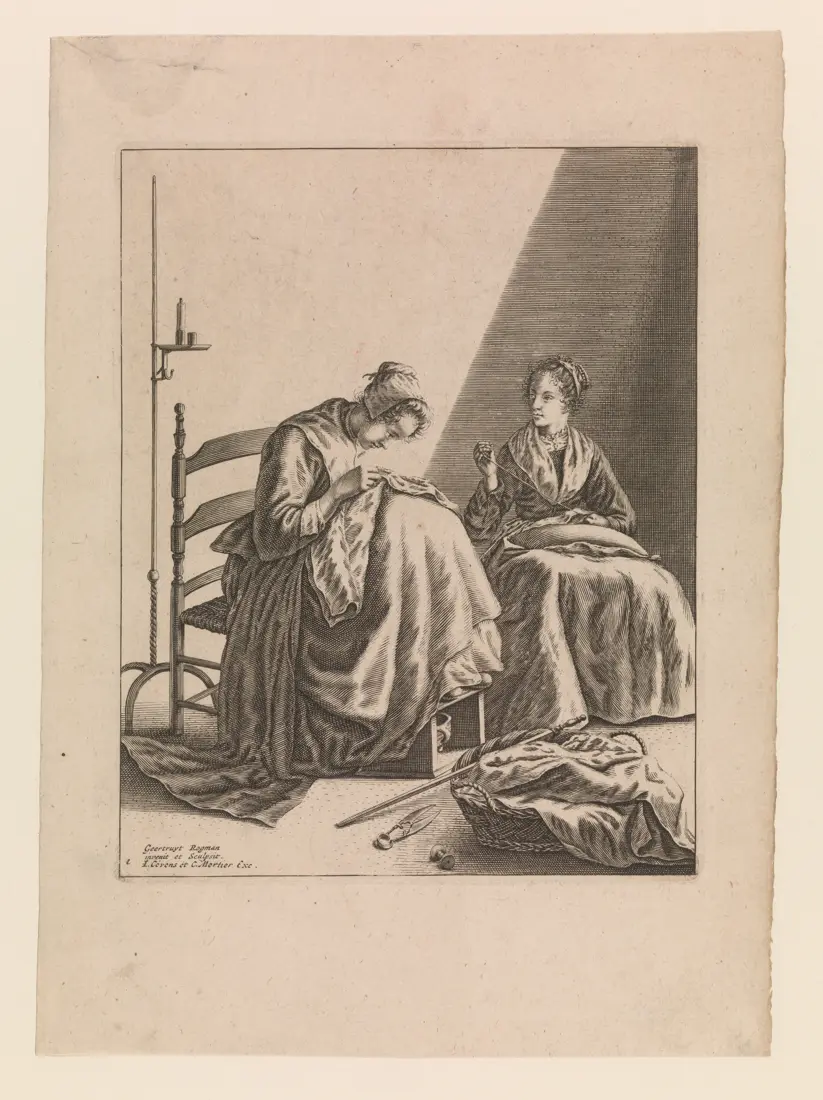
In the early nineteenth century, many American women formed sewing circles, often through their churches. These gatherings met a need for companionship and were considered acceptable activities for women, but members soon looked beyond their own circles.
The Fragment Society
The Fragment Society was founded in Boston in 1812 to clothe destitute women and children. Its first meeting was held on October 19, 1812, with eleven original members. The society grew quickly: according to The Strong National Museum of Play, it had 584 members in its first year and produced 3,706 articles of clothing. It was incorporated in 1816 and is still active, which makes it the oldest continuous sewing circle in the country by many accounts.
Anti-Slavery Sewing Circles
Before the Civil War, anti-slavery sewing circles were common. Members sewed items to sell at fairs and bazaars, and the proceeds supported abolitionist work. The December 3, 1847, issue of The Liberator, edited by William Lloyd Garrison, called for more such circles, describing them as one of the best ways to keep the question of slavery alive. For many women, sewing circles were a doorway into public political life.
Sewing for Soldiers
War turned sewing circles into supply lines. During the Civil War, women's soldiers' aid societies sewed shirts, havelocks, bandages and quilts for troops, and much of the work in the North was coordinated through the U.S. Sanitary Commission, established in 1861.
In World War I, the American Red Cross organized a vast knitting and sewing effort for soldiers and refugees, and in World War II knitting and sewing for the troops became a patriotic duty once again, featured in popular magazines including Life. In Britain, sewing circles and classes helped families make do and mend under rationing; see our article on Make Do and Mend.
Sewing Circles Through History
| Era | Type of Gathering | Purpose |
|---|---|---|
| Revolutionary America | Spinning bees | Homespun cloth to support boycotts of British goods |
| 19th century | Quilting bees | Finishing quilts quickly as a community |
| From 1812 | Charitable sewing societies | Clothing for the poor, layettes for new mothers |
| 1830s–1860s | Anti-slavery sewing circles | Items sold at fairs to fund abolitionism |
| Civil War and world wars | Soldiers' aid and Red Cross groups | Clothing, bandages and comforts for troops |
| Late 20th century to today | Quilt guilds, stitch groups, online sew-alongs | Learning, sharing, charity sewing and friendship |
The Modern Revival
The 1976 U.S. bicentennial brought a surge of interest in early American crafts, and quilting circles and guilds multiplied in the years that followed. Many are still going strong. Modern groups often call themselves bees, and online "virtual bees" let quilters swap blocks across continents.
Sewing for causes continues too. The term "craftivism," popularized by the writer Betsy Greer in the early 2000s, describes using craft as a form of gentle activism, a modern echo of the anti-slavery circles and spinning bees. Charity sewing groups still make quilts for hospitals, clothing for newborns and items for people in crisis.
Why People Still Sew Together
- Learning: skills pass from experienced sewists to beginners far faster in person.
- Big projects: group quilts, costumes and charity drives get done faster with many hands.
- Company: sewing is often solitary, and a regular group turns it into a social occasion.
- Purpose: stitching for others gives the work meaning beyond the finished object.
From the spinning bees of the 1770s to today's guild meetings, the needle has always been a reason to gather. If you are just starting out, a local guild or sewing group can be one of the best places to learn; our Learn to Sew section covers the basics to get you there.
For how quilts are made and the traditions behind them, see our quilting guide and the history of quilting.
Sources
- Domestic Hobbies: The Fight for Community in the Face of Isolation and Injustice, The Strong National Museum of Play
- Fragment Society, Wikipedia
- Sewing circle, Wikipedia
- The Quilting Bee?, International Quilt Museum
- Baltimore Album Quilt, The Metropolitan Museum of Art
- Two Women Sewing, Jean-François Millet, The Metropolitan Museum of Art
Frequently Asked Questions
What is a sewing circle?
A sewing circle is a group of people who meet regularly to sew together, often for charitable causes. Historically most members were women, and circles made clothing for the poor, raised money for causes and offered companionship.
What is the oldest sewing circle in the United States?
The Fragment Society of Boston, founded in 1812 to clothe women and children in need, is often described as the oldest continuous sewing circle in the country. It was incorporated in 1816 and still operates.
Why is it called a quilting bee?
Bee was an American term for a gathering of neighbors who worked together on a task, like a busy hive. There were also husking bees, spinning bees and barn raisings. A quilting bee gathered quilters to finish a quilt together.
Do sewing circles still exist?
Yes. Quilt guilds, charity sewing groups, church sewing circles, stitch-and-chat meetups and online sew-alongs all continue the tradition.
Keep Reading
Feed Sack Dresses
How flour and feed bags became printed dress fabric for rural families.
Make Do and Mend
Coupons, blackout-curtain dresses and Mrs Sew and Sew in wartime Britain.
History of the Thimble
Melted for WWI hospitals, used to measure gunpowder, sold for $18,000.
History of Sewing
How a bone splinter became a global industry, from the Ice Age to PDF patterns.