The Dress Form: A History of the Dressmaker's Silent Partner (2026)
Long before anyone called it a dress form, tailors and dressmakers needed a body that would stand still. Here is how that body went from carved wood to wicker, wire, papier-mâché and the padded forms in sewing rooms today.
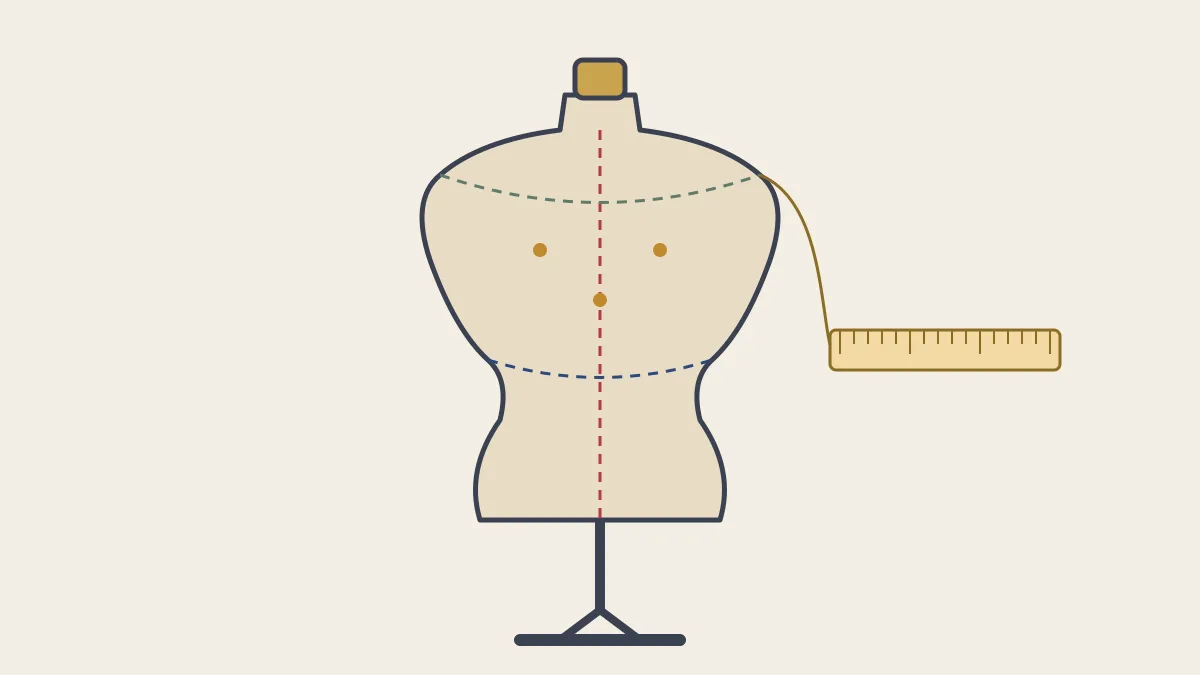
In This Article
Dress Form Timeline in Brief
- c. 1330 BC: a wooden torso is placed in Tutankhamun's tomb
- 15th century: milliners use mannequin figures in Europe
- Mid-to-late 18th century: made-to-order wickerwork forms appear
- 1835: a Paris ironmonger develops a wirework form
- 1854: Alexis Lavigne patents a method for producing plaster-molded mannequins in Paris
- 1869: Fred Stockman founds Stockman Brothers
A dress form is one of the most useful tools a sewist can own. It holds a garment so you can check fit, mark a hem, drape fabric or see how a design moves around the body. Its history mirrors the history of clothing itself, moving from royal treasure to factory tool to home sewing essential.
Tutankhamun's Torso
When Howard Carter's team opened Tutankhamun's tomb in 1922, they found a wooden torso without arms or legs, painted and sized to match the young king. It is about 3,300 years old and is often described as the earliest known dress form. Historians think it was used to fit or display the king's clothing and jewelry, though no one can be certain how it was used.
Fashion Dolls: Dress Forms in Miniature
For centuries, the most important "dress forms" were small. Before fashion magazines existed, fashion dolls dressed in the latest styles were sent between royal courts and cities so that dressmakers could copy what was in fashion. King Henry IV of France is said to have sent dolls dressed in the latest fashions to his bride, Marie de' Medici, around 1600, and Marie Antoinette's dressmaker later sent fashion dolls to keep foreign courts up to date.
Through the 1700s, these miniature models helped spread trends across countries. They were a way to show clothing on a body before photography and fashion plates made that easy.
Wicker, Wire and Papier-Mâché
Full-size forms for working on clothes developed slowly. Milliners used mannequin figures in Europe from the fifteenth century. The first wickerwork mannequins appeared in the mid-to-late eighteenth century, made to order, and were light enough to move around a workroom. In 1835 a Paris ironmonger developed a wirework form.
Nineteenth-century forms were usually headless bodies made from wood, wicker, leather, wire or papier-mâché and mounted on heavy iron bases. Papier-mâché forms covered in fabric became common because they were light and could take pins.
Alexis Lavigne and the Paris Bust
The modern dressmaker's form owes a great deal to Alexis Lavigne, a Paris tailor and teacher of pattern cutting in the nineteenth century. Lavigne showed a prototype mannequin at the 1849 Industrial Exhibition and, on November 5, 1854, patented a method for producing plaster-molded mannequins shaped from real body measurements. He is also credited, by the school he founded, with an early flexible tape measure. That school, in Paris, still exists today under the name ESMOD.
Lavigne's forms reflected a big change in how clothing was made. As ready-made clothing in standardized sizes spread, forms built to standard measurements let workrooms make garments to those sizes. Our history of ready-to-wear clothing explains that shift. Lavigne and his daughter, Alice Guerre-Lavigne, made and marketed forms in quantity and taught their use.
Stockman: The Name on the Form
Fred Stockman, a student of Lavigne, founded Stockman Brothers in 1869. The firm, later known as Siegel and Stockman, became one of the most famous makers of dress forms and display mannequins. Lavigne and Stockman also developed display mannequins with legs and realistic wax heads and hands, an improvement on earlier, cruder papier-mâché figures.
Antique Stockman forms, with their black fabric covers, turned wooden neck caps and adjustable stands, are now prized by collectors and are still used in some workrooms.
Dress Forms Come Home
As paper patterns made home dressmaking more popular in the late nineteenth and early twentieth centuries, dress forms were sold to home sewists too. Adjustable forms, with sections that expanded or contracted using dials, appeared in the early twentieth century and promised a form that could be set to the owner's own measurements. Our history of sewing patterns covers the same era from the pattern side.
Dress Forms Today
| Type | How It Works | Best For |
|---|---|---|
| Professional (pinnable) form | Fixed size, firm padded body, often with collapsible shoulders | Draping, pattern-making, fashion studios |
| Adjustable form | Dials expand bust, waist and hips in sections | Home sewists fitting one or several people |
| Padded form | A smaller form built up with padding to match one person's body | Accurate fitting for a specific figure |
| Custom or body-double form | Cast or shaped from an individual's body | Couture, costume and theatrical work |
From Royal Treasure to Sewing Room
The dress form has traveled a long way, from a king's carved torso to fashion dolls, iron-based wicker figures and the padded forms in home sewing rooms. Its job has never changed: to stand in for a body so that clothes can be made to fit one. For another tool with an equally long history, read our history of scissors and shears.
For today's types of dress forms and how to choose one, see types of dress forms.
Sources
- Alexis Lavigne and His Inventions, ESMOD International on Google Arts & Culture
Frequently Asked Questions
What is the oldest known dress form?
A wooden torso found in Tutankhamun's tomb, discovered in 1922 and about 3,300 years old, is often cited as the earliest known example. Its proportions are thought to match the king's, and it may have been used to fit or display his clothing.
What is the difference between a dress form and a mannequin?
A dress form is a sewing tool: usually a headless torso on a stand that can be pinned into for fitting and draping. A mannequin is a display figure, often with a head, arms and legs, used in shop windows.
Who was Stockman?
Fred Stockman, a student of the Paris pattern-cutting pioneer Alexis Lavigne, founded Stockman Brothers in 1869. The firm, later Siegel and Stockman, became one of the best-known makers of dress forms and mannequins.
Where does the word mannequin come from?
It comes through French from the Dutch manneken, meaning little man.
Keep Reading
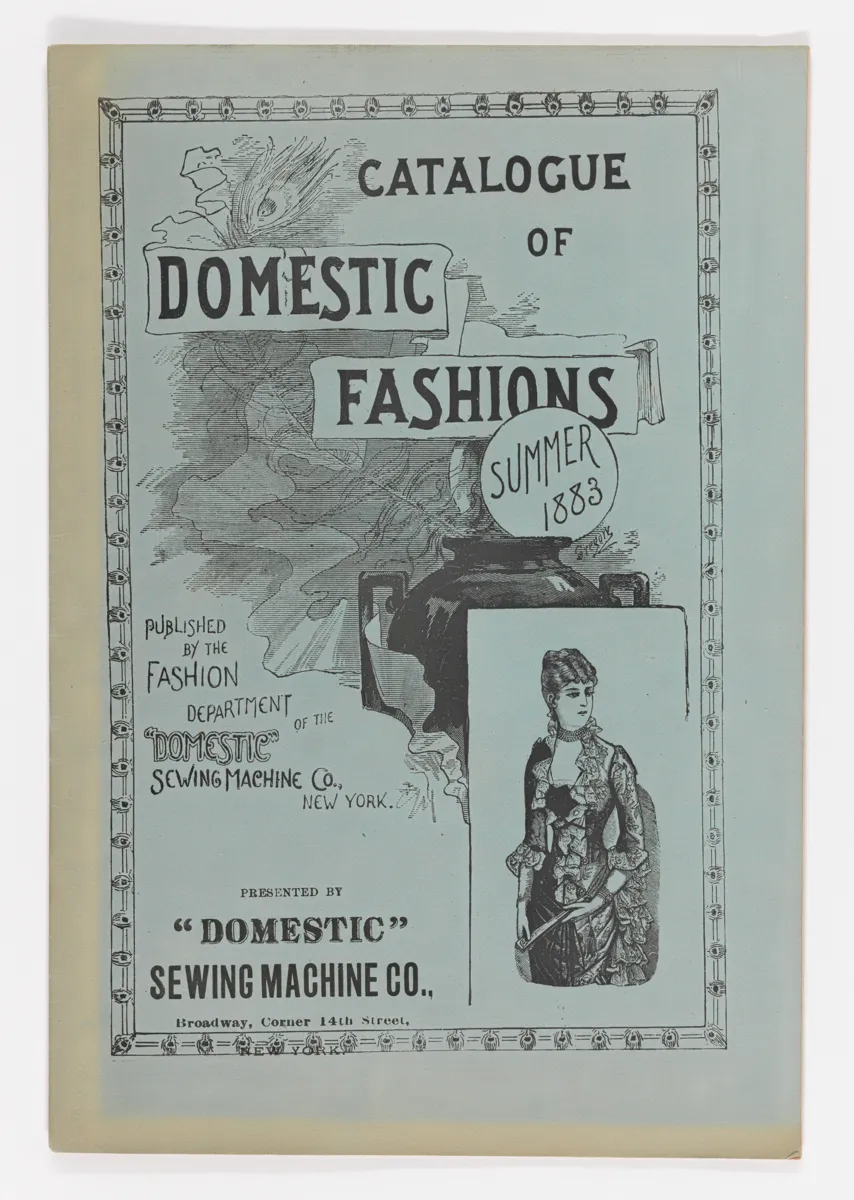
History of Sewing Patterns
Butterick, McCall's, Vogue and Simplicity, from 1800s magazines to PDFs.
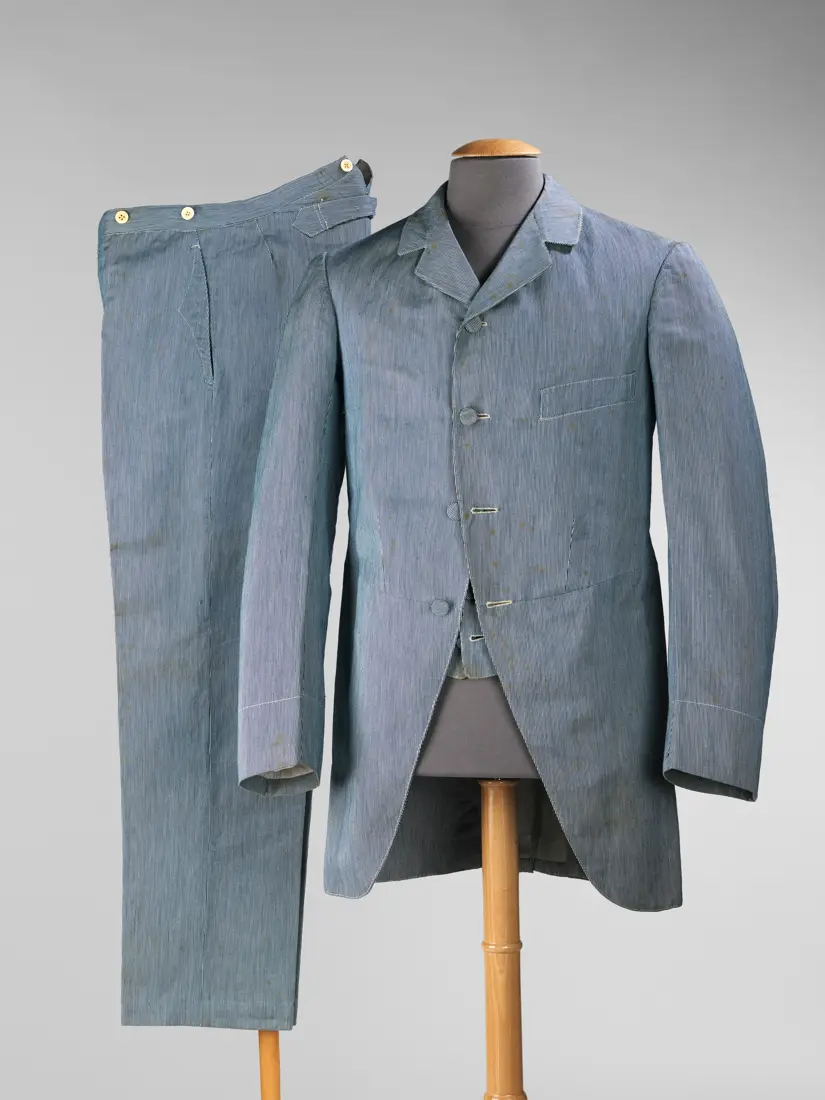
History of Ready-to-Wear Clothing
How slop shops, war uniforms and sewing machines created off-the-rack clothes.
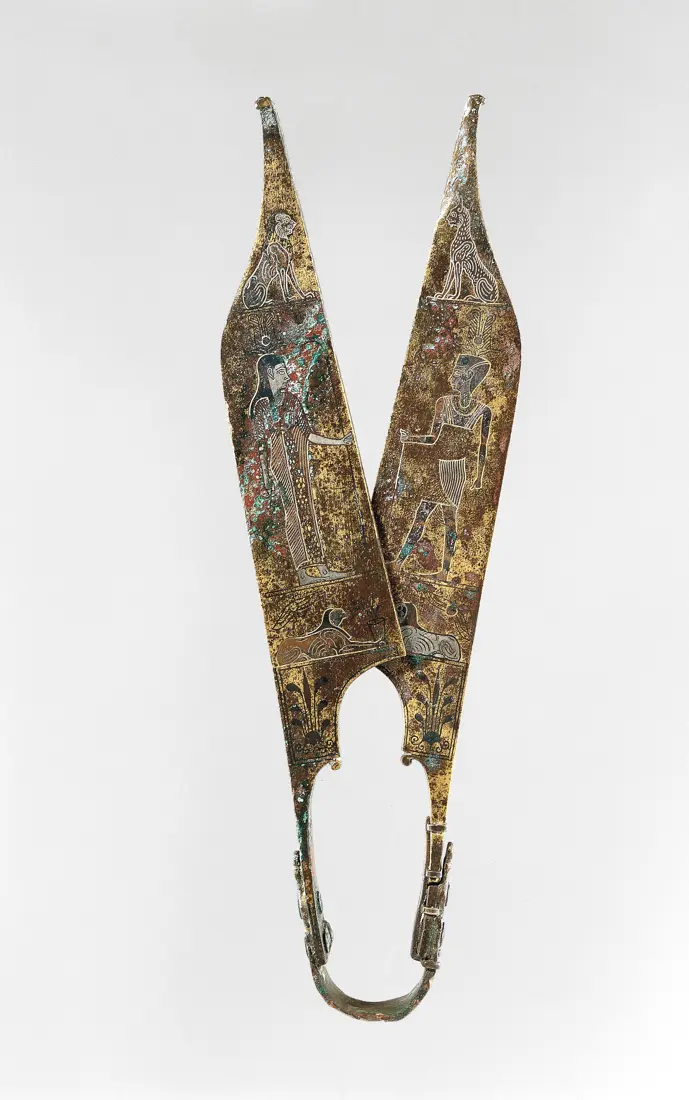
History of Scissors and Shears
From Bronze Age spring shears to Sheffield steel and pinking shears.
History of Sewing
How a bone splinter became a global industry, from the Ice Age to PDF patterns.