Types of Dress Forms: Professional, Adjustable and Custom (2026)
A dress form lets you fit and drape a garment without a person standing still for hours. But forms differ widely, from fixed professional bodies to adjustable dial models and padded doubles of your own shape.
In This Article
Dress Forms in Brief
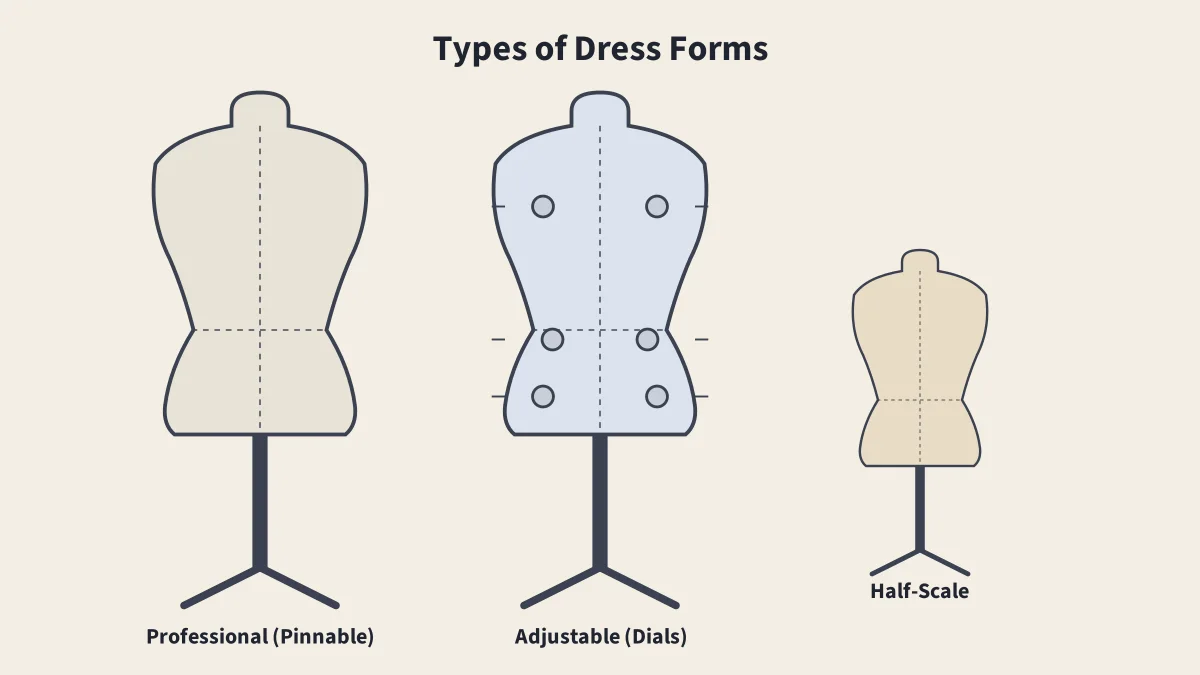
- Professional: fixed standard size, firm and pinnable
- Adjustable: dials change bust, waist and hips
- Custom or padded: built up to match one body
- Half-scale: for practicing draping
- Also: men's, children's and specialty forms
A dress form is a three-dimensional model of the torso used for fitting, draping and checking garments. Dress forms have a long history, from wicker and papier-mâché to the padded professional forms of today; see the history of the dress form. This guide covers the kinds available now and how to choose one.
Types of Dress Forms
| Type | How It Works | Best For |
|---|---|---|
| Professional (pinnable) | Fixed shape in a standard size, with a padded, pinnable surface | Pattern making, draping and design work |
| Adjustable | Sections expand or contract with dials | Home sewists fitting their own clothes; sizes that change |
| Custom or padded | A smaller form built up with padding to match one person | Accurate fitting for one body |
| Half-scale | Half-size torso | Practicing draping and pattern making with less fabric |
| Men's and children's | Proportioned for those bodies | Menswear, tailoring and children's clothing |
| Display mannequins | Hard bodies for showing clothes | Retail display, not fitting |
Professional Forms
Professional forms are built to a standard size and used to develop patterns. A typical construction has a firm base, such as fiberglass, covered with a layer of padding and then linen, so pins can be pushed in to hold fabric while draping. Their measurements stay constant, which is exactly what a designer working to a size chart needs.
Adjustable Forms
Adjustable forms are divided into sections, usually at the bust, waist and hips, and sometimes the neck and back length. Turning dials moves the sections outward or inward. They are popular with home sewists because one form can approximate a range of sizes. The gaps between sections can make them less smooth to drape over and harder to pin.
Padding a Form to Match You
No standard form exactly matches a real body. Many sewists choose a form slightly smaller than their own measurements, then build it up with batting or shaped pads, held in place by a fitted cover or a close-fitting garment, until its measurements and posture match theirs.
- Take careful measurements; see measuring tools.
- Choose a form a little smaller than your smallest key measurement.
- Add padding in layers, checking measurements as you go.
- Cover the form with a snug knit cover or fitted shell.
- Mark key lines such as center front, waist and bust line with twill tape.
What to Look For
- Pinnable surface if you plan to drape or pin garments.
- A sturdy stand with adjustable height, ideally on a wheeled base.
- Collapsible shoulders for fitted garments.
- A hem marker or the ability to raise the form to mark hems.
- Measurements that suit the garments you sew.
For how dress forms are used to create patterns, see pattern drafting vs. draping.
Sources
- Dress form, Wikipedia
Frequently Asked Questions
What is the difference between a professional and an adjustable dress form?
A professional form has a fixed shape in a standard size and a firm, pinnable surface, used by designers and pattern makers. An adjustable form has dials that expand or contract sections to approximate an individual's measurements, which suits home sewists fitting their own clothes.
Can you pin into a dress form?
Many forms are built to be pinned, with a padded surface under a linen or similar cover. Some adjustable forms have gaps and hard shells that are harder to pin. Even on pinnable forms, some makers advise pinning carefully to avoid damage.
How do I make a dress form match my body?
Choose a form slightly smaller than your measurements, then pad it out with batting or shaped pads and cover it with a fitted cover or close-fitting garment until its measurements and shape match yours.
What is a half-scale dress form?
A dress form made at half the size of a person, used for practicing draping and pattern making with less fabric. It is popular in fashion schools.
Keep Reading
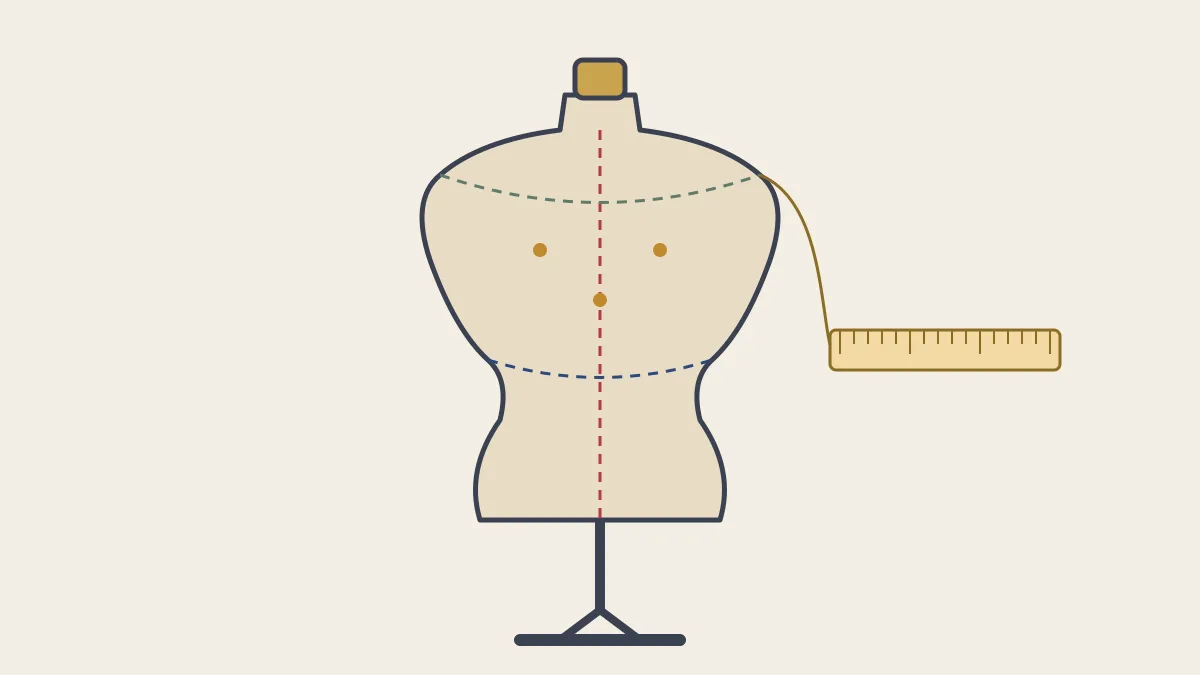
History of the Dress Form
From Tutankhamun's torso to wicker, wire and Stockman forms.
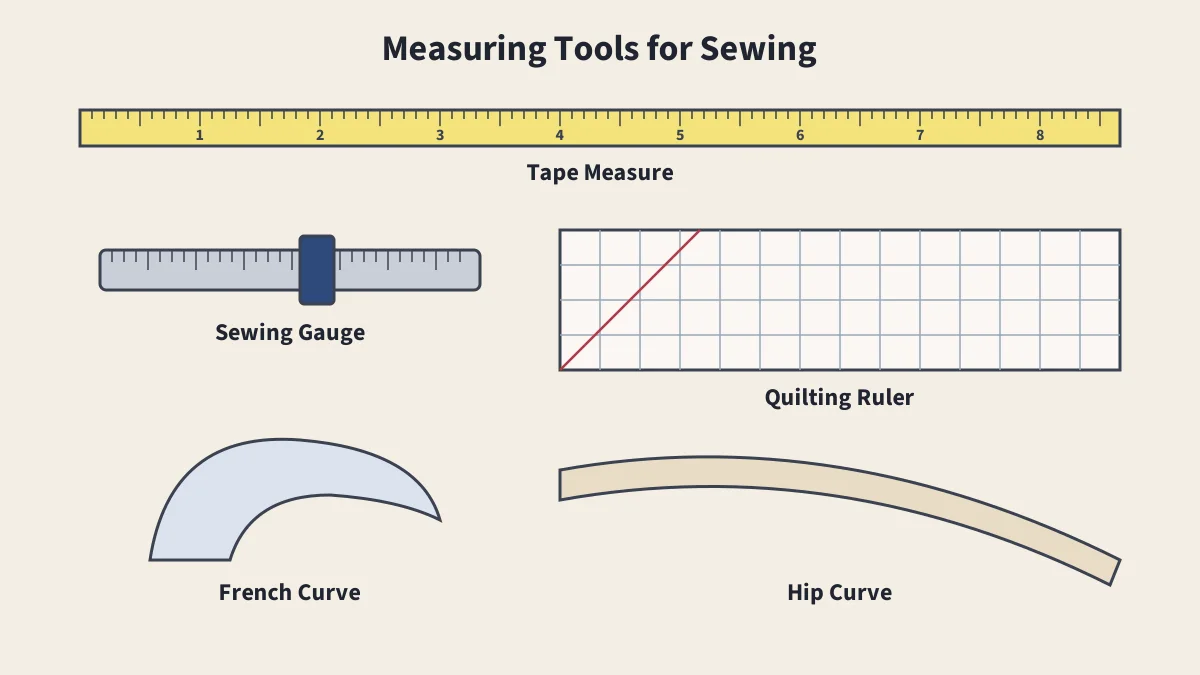
Measuring Tools
Tape measures, gauges, quilting rulers and curves explained.
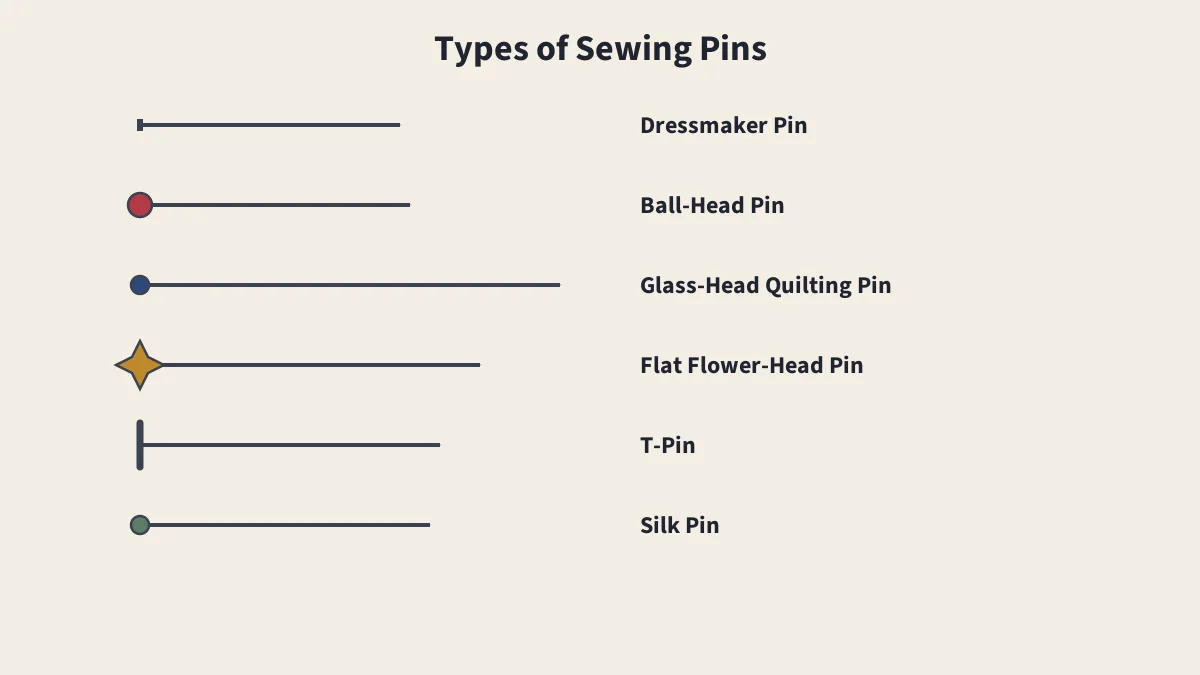
Types of Pins
Pin types, sizes and head styles, plus a short history of the pin.
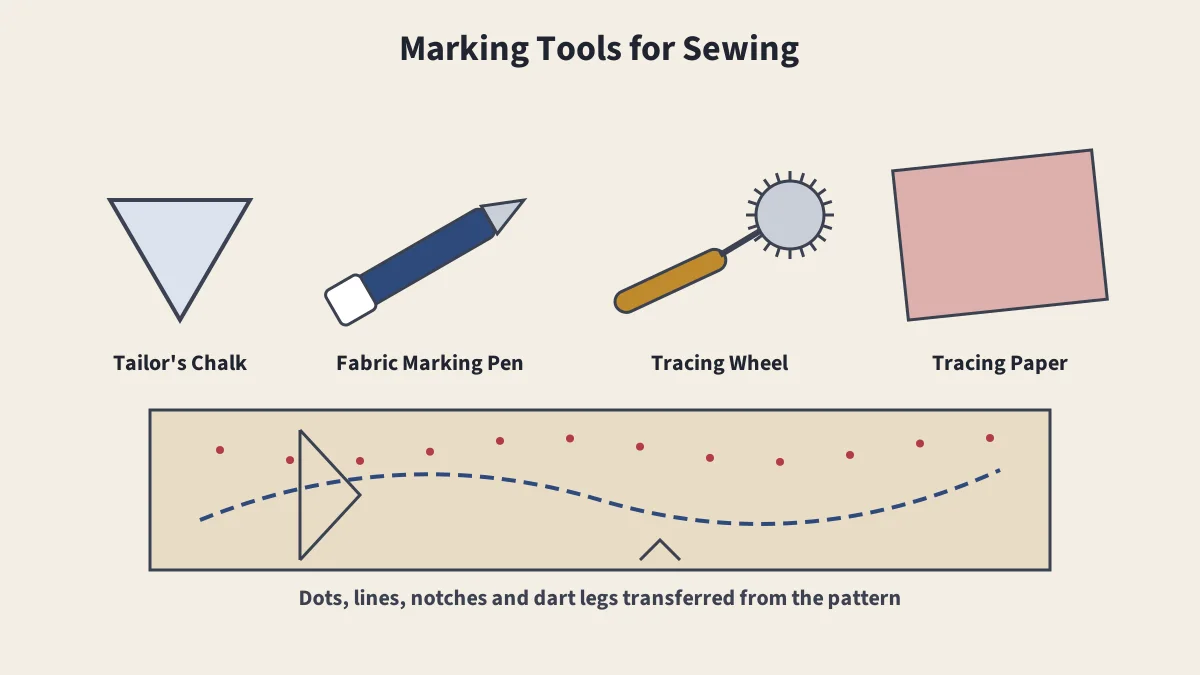
Marking Tools
Chalk, pens, tracing wheels, tailor's tacks and notches compared.