Regency Dress: White Muslin and the High Waist, 1795–1820 (2026)
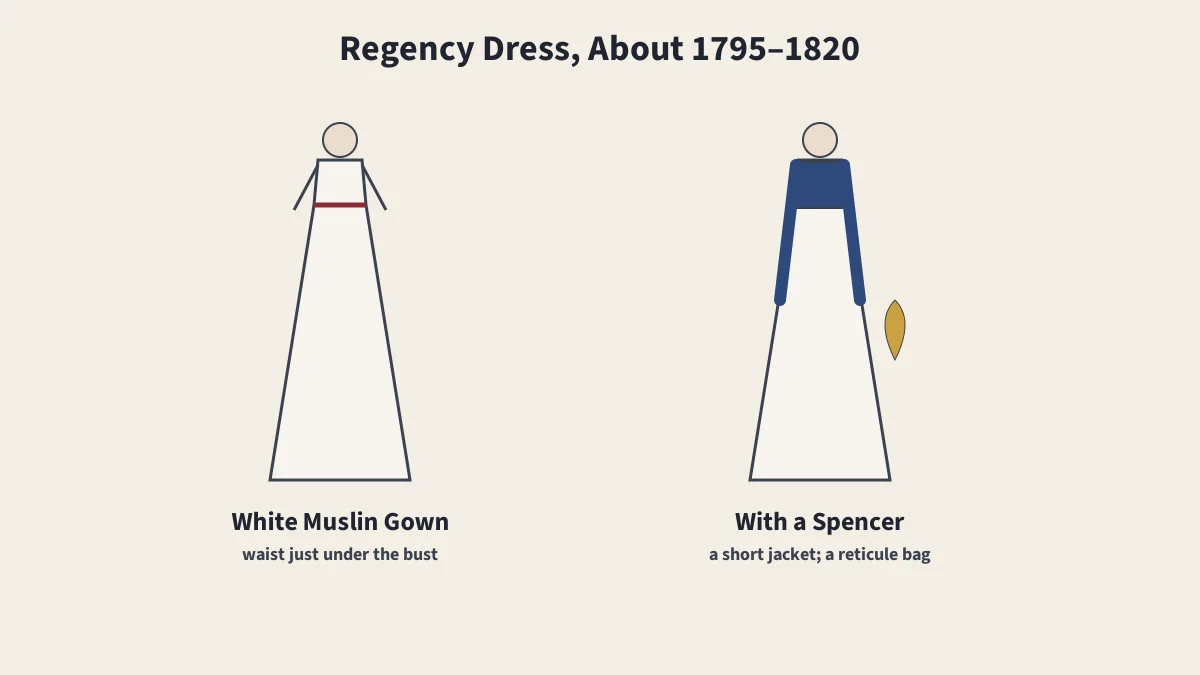
Around 1795, fashion abandoned wide skirts for slim, high-waisted gowns of white muslin inspired by Greek and Roman statues. It is the look of Jane Austen's novels, and later known as the Empire silhouette.
In This Article
Regency Dress in Brief
- Dates: about 1795–1820
- Waist: just under the bust
- Fabric: light white muslin
- Outerwear: spencer, pelisse, shawl
- Accessory: the reticule
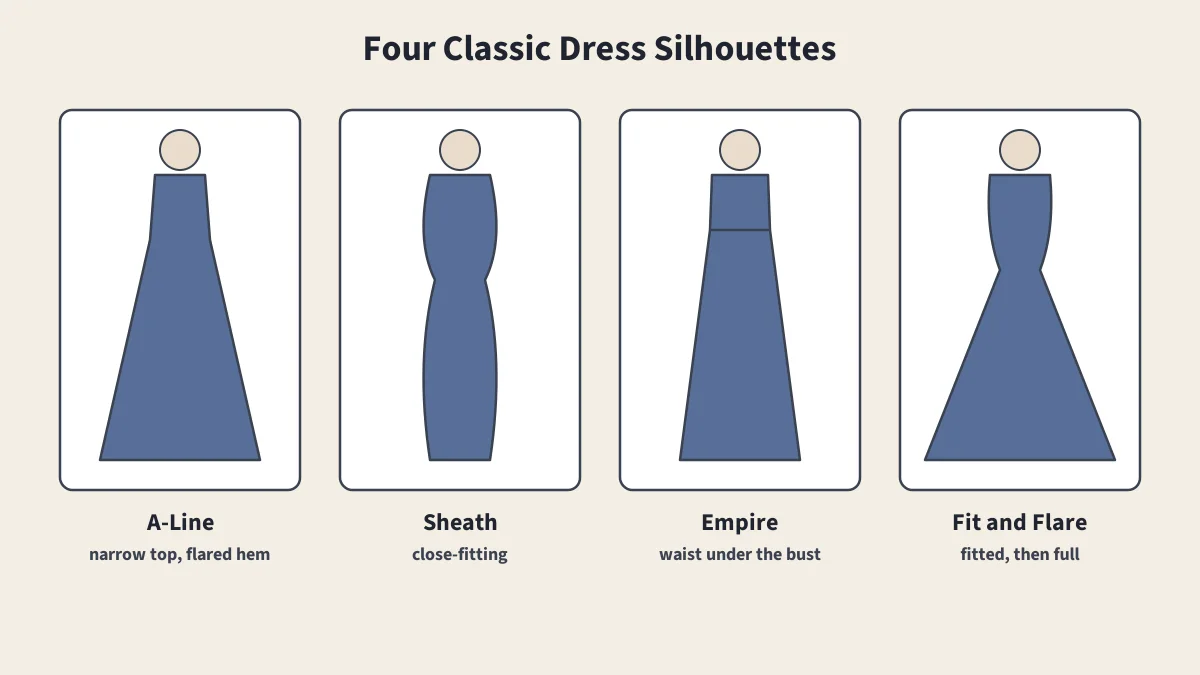
Between about 1795 and 1820, women's dress changed dramatically. Gowns were fitted to the body just under the bust and fell loosely below, a shape later called the Empire silhouette; that label was applied only in the 20th century. See dress silhouettes.
The Gown
- Fabric: light cotton muslin, often white and nearly sheer, which washed easily and draped like the clothing on classical statues; satin was sometimes worn in the evening. See sheer fabrics.
- Shape: a short bodice ending under the bust, with a long, narrow skirt.
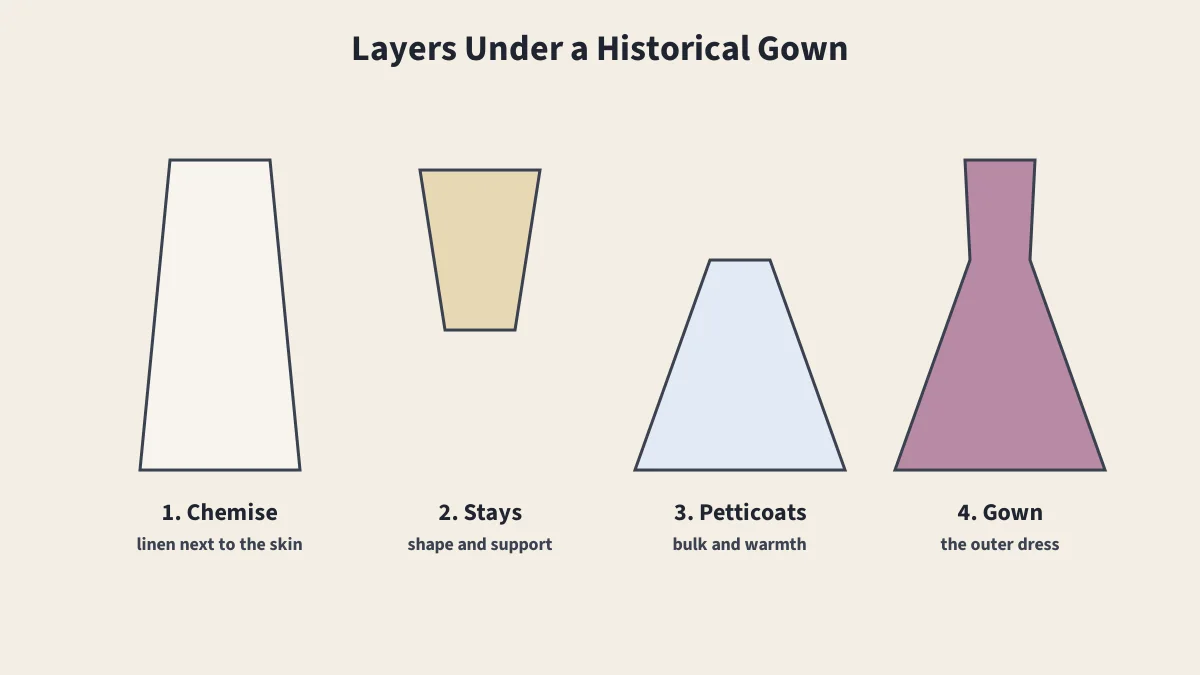
- Petticoats: considered outer clothing, with hems often decorated with tucks, lace or ruffles because they could be seen.
Underneath
- Chemise: thin white cotton with tight short sleeves, protecting the gown from perspiration and keeping a sheer dress from being fully transparent.
- Stays: more lightly boned than before. Short stays ended just below the bust; long stays reached toward the natural waist. See corsets and stays.
Outerwear and Accessories
| Item | Description |
|---|---|
| Spencer | A short, high-waisted jacket for outdoors |
| Pelisse | A long overcoat, often sleeveless and ankle-length, usually trimmed with fur |
| Shawl | Indian shawls were the favored wrap; paisley patterns were very popular |
| Reticule | A small drawstring bag, needed because gowns had no pockets |
See also jacket and coat styles.
Men's Regency Dress
Beau Brummell championed perfectly tailored clothes and immaculate linen. Trousers and pantaloons replaced breeches for fashionable streetwear, and tailcoats became fitted and single-breasted by the 1810s.
Sources
- 1795–1820 in Western fashion, Wikipedia
- Empire silhouette, Wikipedia
Frequently Asked Questions
What is Regency dress?
Fashion of about 1795 to 1820, especially the high-waisted, slim gown of light cotton muslin, often white, inspired by classical Greek and Roman dress.
What did women wear under Regency gowns?
A thin white chemise, lightly boned stays (short stays ending just below the bust, or long stays toward the waist), and petticoats.
What is a spencer?
A short, high-waisted jacket worn outdoors over a Regency gown.
Why did Regency women carry reticules?
Their slim gowns had no pockets, so small drawstring bags called reticules held everyday items.
Keep Reading
Dress Silhouettes
A-line, sheath, shift, empire and New Look shapes.
17th and 18th-Century Dress
Mantuas, sack-back gowns, stomachers and panniers.
Victorian Dress
Silhouettes, technology and mourning dress.
Historical Undergarments
Chemises, shifts, stays and petticoats.