Jacket and Coat Styles: Trench Coats to Tailcoats (2026)
Many coats began as working or military clothing: the trench coat was designed for British Army officers, and the duster for riders. Here are the main styles and where they came from.
In This Article
Coats in Brief
- Trench: British officers' raincoat, pre-WWI
- Overcoat: the outermost coat, often mid-calf
- Tailcoat: late 18th century, white tie today
- Frock coat: 19th-century knee-length coat
- Lounge coat: the modern suit jacket
A coat is an outer garment worn on the upper body, usually with sleeves and a front opening. A jacket is generally shorter. Many styles began as military, riding or working clothes and kept their practical details, such as epaulettes, storm flaps and toggles.
Outerwear
| Coat | Features | Origin |
|---|---|---|
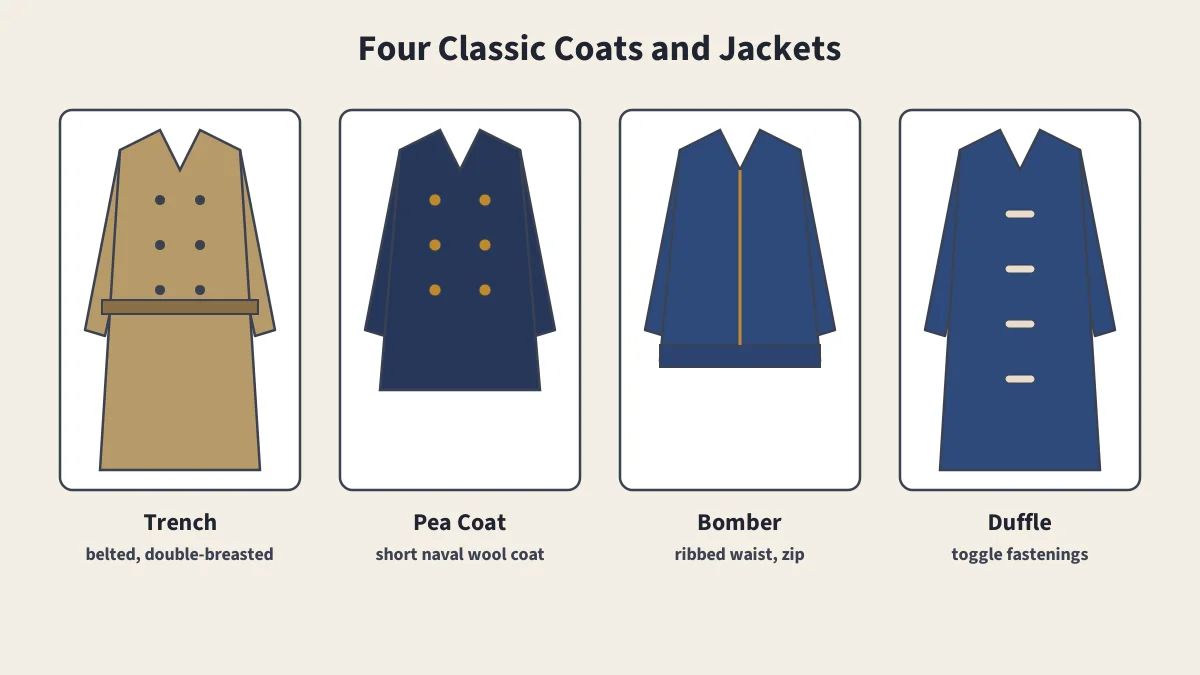
| Trench coat | Double-breasted, belted, epaulettes and D-rings, usually gabardine | British officers, before and during the First World War |
| Overcoat | The outermost coat; mid-calf is the most common length | Outdoor wear |
| Pea coat | Short, double-breasted, heavy wool | Naval wear |
| Duffle coat | Wool, with a hood and toggle fastenings | Named after the town of Duffel, Belgium, where its cloth originated |
| Duster | Long, light coat | Worn on horseback |
| Parka | Hooded and insulated | Arctic peoples' clothing |
| Bomber | Waist-length, ribbed cuffs and hem, zip front | Military flight jackets |
Tailored Jackets and Formal Coats
| Style | Description |
|---|---|
| Lounge coat (sack coat) | The modern suit jacket |
| Blazer / sport jacket | A tailored jacket worn without matching trousers |
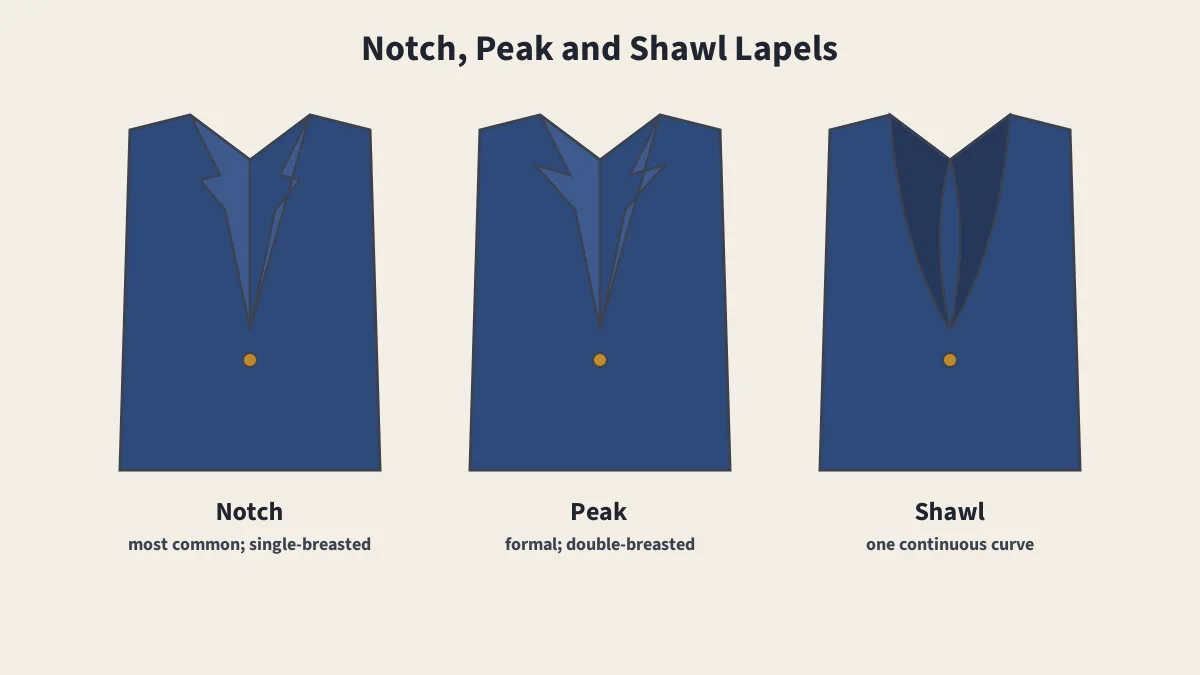
| Dinner jacket (tuxedo) | Semi-formal evening jacket, often with a shawl or peak lapel |
| Tailcoat | Late 18th century; preserved in white tie, where tailors call it a dress coat |
| Morning coat (cutaway) | A dress coat still worn as daytime formal wear |
| Smoking jacket | Informal men's jacket, the origin of the shawl lapel |
For lapel shapes, see types of lapels.
Historical Coats
| Coat | Period | Description |
|---|---|---|
| Justacorps | 17th–18th century | Knee-length, fitted at the waist with flared skirts |
| Redingote | 18th century | Fitted riding coat with a long skirt at the back |
| Spencer | Early 19th century | Waist-length, often double-breasted |
| Pelisse | Early 19th century | High-waisted, fitted long coat |
| Frock coat | 19th century | Knee-length men's coat |
| Women's suit coat | Late 19th century | A jacket made to match a skirt, the start of the women's suit |
Sewing Coats and Jackets
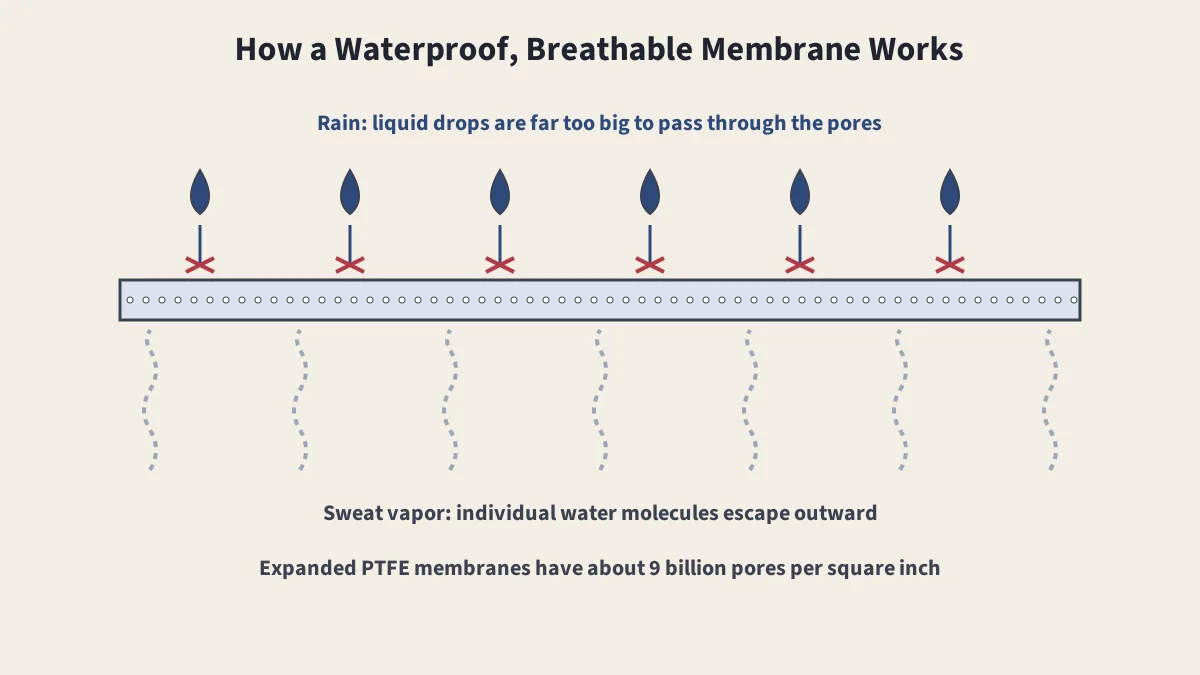
- Choose wool, gabardine or technical fabrics; see types of wool fabric and technical fabrics.
- Interface fronts, collars and hems; see interfacing.
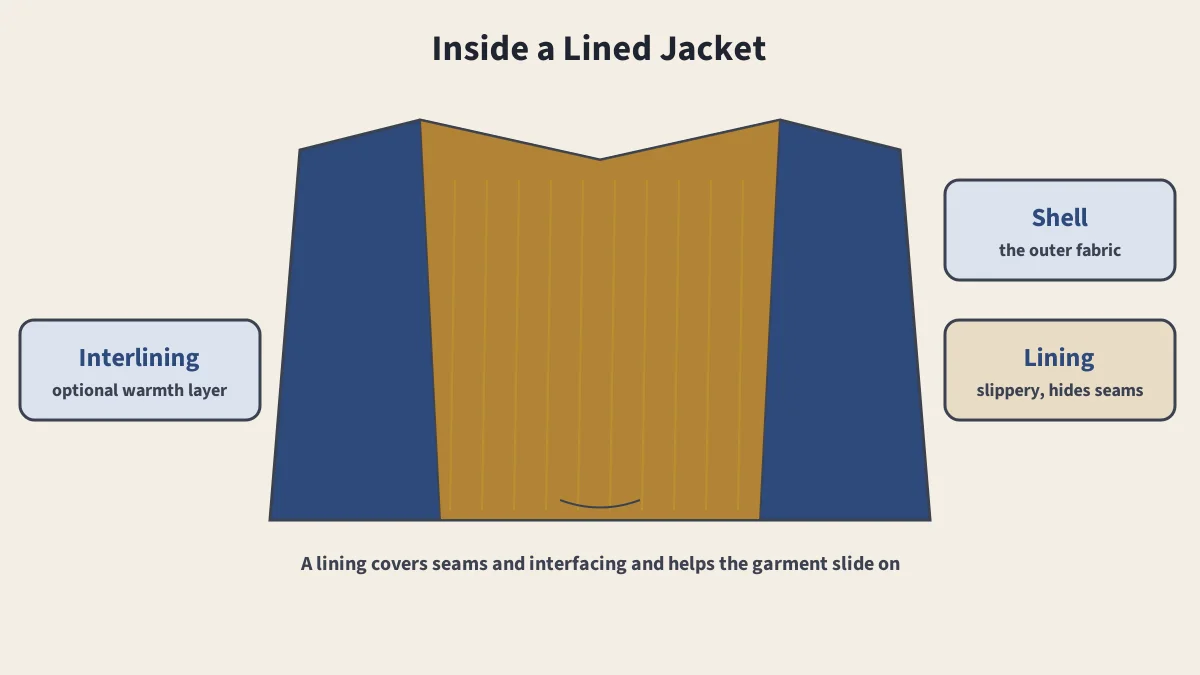
- Most coats are lined; see lining a garment.
- Use a two-piece sleeve for a tailored fit; see types of sleeves.
Sources
- Coat, Wikipedia
- Trench coat, Wikipedia
Frequently Asked Questions
Who invented the trench coat?
It was developed for British Army officers before the First World War. Burberry, which created gabardine in 1879, and Aquascutum both claim to have invented it; Burberry submitted an officer's raincoat design to the War Office in 1901.
Why is it called a trench coat?
Because it became popular with officers in the trenches of the First World War, and front-line soldiers gave it the name.
What is the difference between a coat and a jacket?
A jacket is usually shorter, reaching the hip, and is often part of a suit or worn indoors. A coat is longer and worn outdoors over other clothes, though the words overlap.
What is a tailcoat?
A coat cut away at the front with tails at the back, dating from the late 18th century. It survives in white-tie evening dress, where tailors call it a dress coat.
Keep Reading
Types of Lapels
Notch, peak and shawl lapels and their history.
Lining a Garment
Lining fabrics, interlining and lining a skirt or jacket.
Technical and Outdoor Fabrics
Membranes, ripstop, DWR and aramids explained.
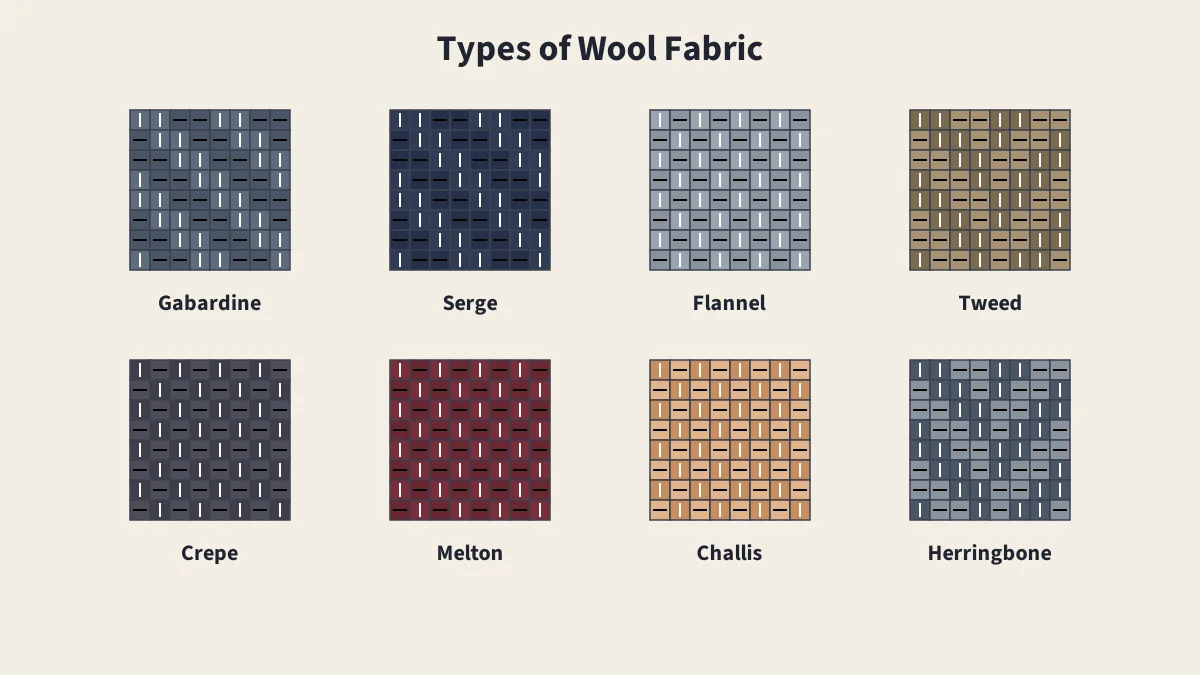
Types of Wool Fabric
Worsted vs. woolen, plus gabardine, tweed, flannel and more.