How to Build a Sewing Portfolio: What to Include and How to Present It (2026)
A sewing portfolio shows what you can make and how you think. It can support a fashion school application, a job, a commission business or a pattern-testing application, or simply record your progress.
In This Article
Portfolios in Brief
- Purpose: show skill, ideas and process
- Include: photos, sketches, flats, swatches
- Quality: fewer, stronger pieces
- Format: print, PDF or website
- Applying: follow each program's rules
A sewing portfolio is a curated collection of your work that shows both finished garments and how you got there. Whether you are applying to a fashion program, seeking a job or commissions, applying to be a pattern tester, or simply tracking your progress, the same principles apply: show your best work clearly and explain your process.
What to Include
| Element | Why It Matters |
|---|---|
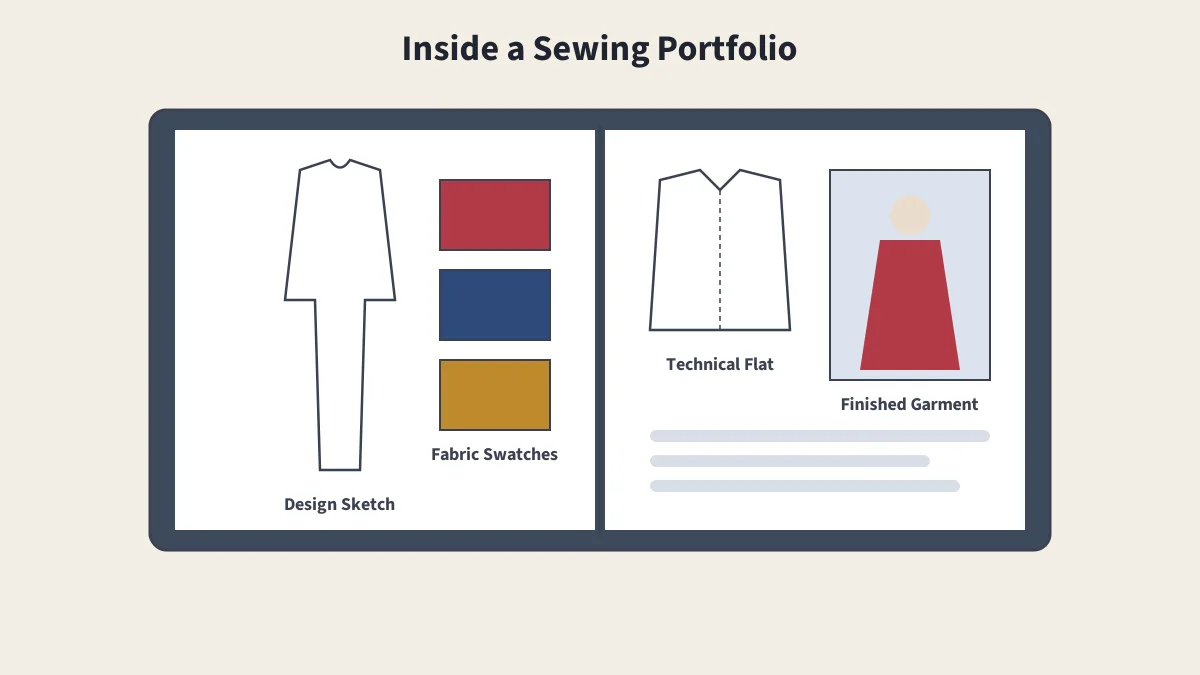
| Finished garment photos | Show fit, finish and design; include front, back and close-up details |
| Design sketches | Show your ideas and drawing ability |
| Technical flats | Flat line drawings showing seams and construction |
| Fabric swatches | Show material choices and color sense |
| Pattern pieces and toiles | Show pattern-making and fitting skill; see toiles |
| Process notes | Explain techniques, problems solved and changes made |
| Inside shots | Seam finishes and linings prove construction quality |
Building the Portfolio
- Choose a focus: tailoring, bridal, children's wear, costume or a range that shows versatility.
- Select your strongest work; fewer, better pieces usually make a stronger impression.
- Show a range of techniques, such as set-in sleeves, zippers, linings and tailoring.
- Tell the story of each project: inspiration, sketch, pattern, toile, final garment.
- Include original design work: self-drafted or hacked patterns show more than sewing from a commercial pattern.
- Arrange it with a clear flow, opening and closing with your strongest pieces.
Photographing Your Work
- Use natural, even light and a plain background.
- Photograph garments on a person or a dress form, pressed and properly fitted.
- Take front, back, side and detail shots, including the inside.
- Keep the style consistent across all projects.
Applying to Fashion Programs
Many fashion design programs ask applicants for a portfolio, but requirements vary widely: some want sketches only, others finished garments, specific project briefs or a set number of pieces. Requirements also change from year to year, so always read the current admissions guidelines of each program and follow them exactly.
Keeping It Current
Add new work as you make it, and remove older pieces that no longer represent your skill. A dated project log alongside your portfolio is a useful record of how your sewing has developed.
For jobs where a portfolio helps, see sewing careers.
Sources
- Fashion design, Wikipedia
- Sewing pattern, Wikipedia
Frequently Asked Questions
What should a sewing portfolio include?
Your strongest finished pieces, with clear photos, plus evidence of process: sketches, fabric swatches, technical flats, pattern pieces, toiles and notes on the techniques used.
How many pieces should be in a sewing portfolio?
Fewer, stronger pieces usually work better than many average ones. If you are applying to a school or job, follow their stated number exactly.
Do fashion schools require a portfolio?
Many fashion design programs ask for one, but requirements differ widely between schools and years. Always check the specific program's current admissions guidelines.
Should a sewing portfolio be printed or online?
Both are useful: a website or PDF is easy to share, while a printed book or physical samples are valuable for interviews. Some applications specify a format.
Keep Reading
Pattern Testing
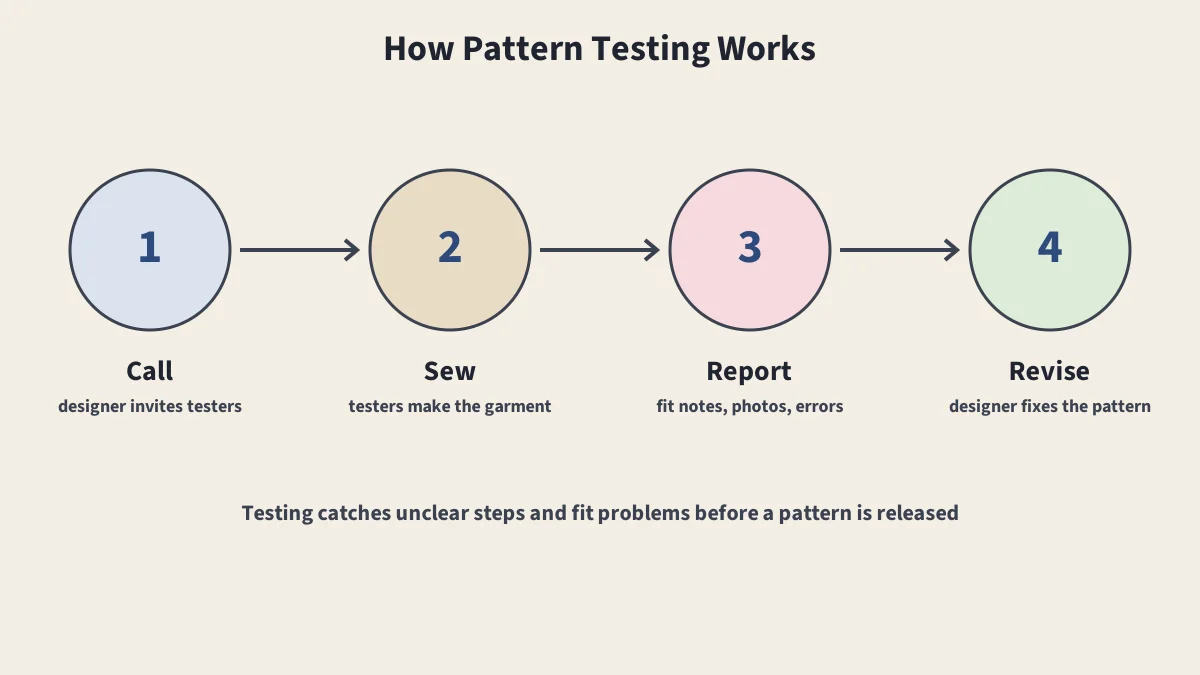
How test calls work and how to become a tester.
Pattern Hacking
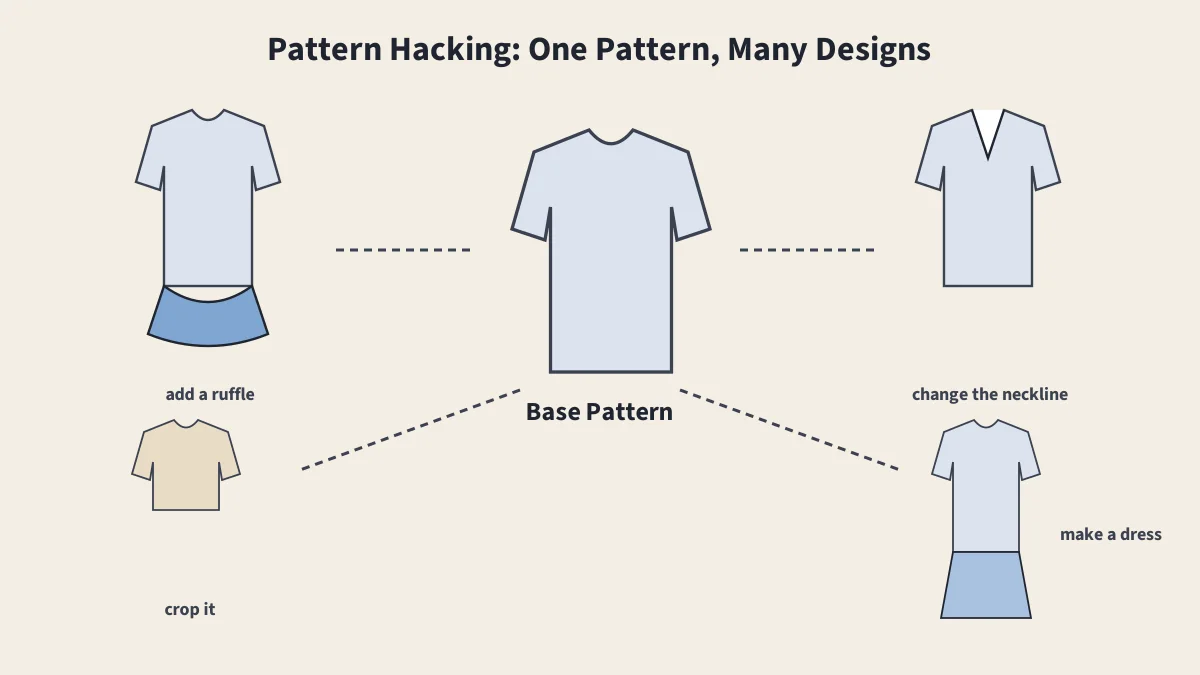
Changing a pattern to create new designs.
Pattern Drafting vs. Draping
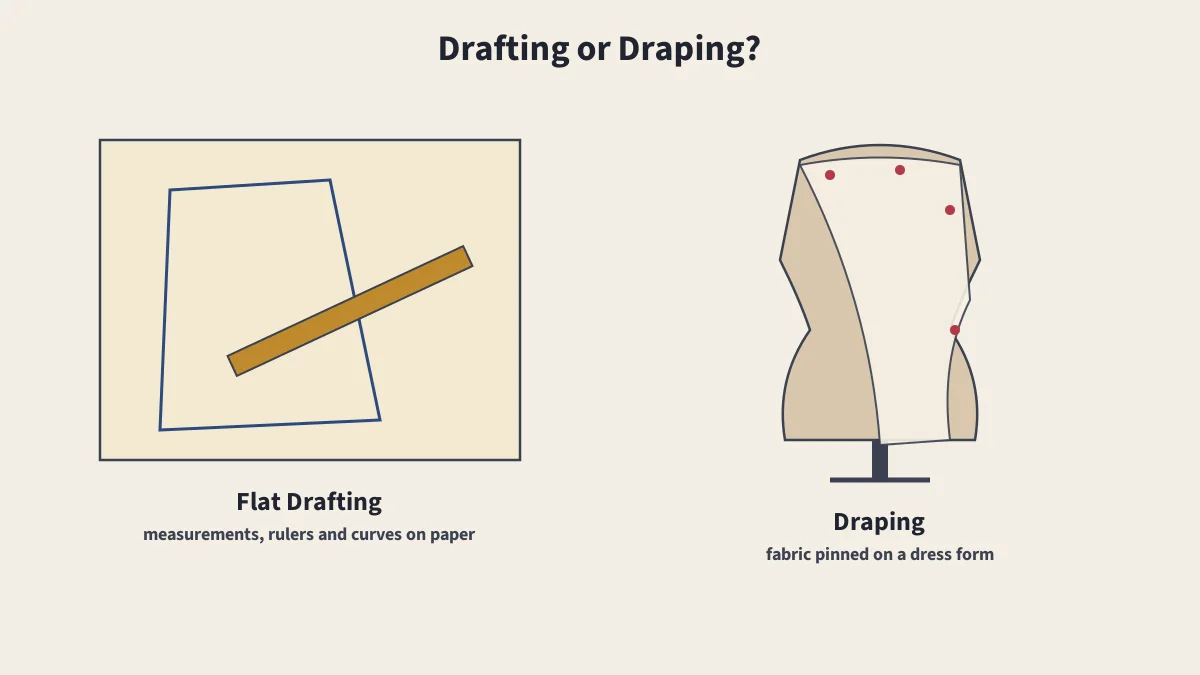
Flat drafting and draping compared.
Sewing Patterns
The envelope, size chart, instructions and markings.