How to Wind a Bobbin Evenly, Step by Step (2026)
A badly wound bobbin causes loose stitches, tangles and uneven tension. A good one takes about a minute. Here is how to wind a bobbin on almost any machine, and how to tell when it is done right.
In This Article
Bobbin Winding in Brief
- Use the right bobbin for your machine
- Thread the winding tension guide so the thread winds tightly
- Hold the tail for the first few turns, then trim it
- Wind at a steady, moderate speed until the winder stops
- Check the result: smooth, firm and even from side to side
The bobbin supplies the lower thread for every lockstitch your machine makes. Its thread has to unwind smoothly and at an even tension, which starts with how it is wound. Fortunately, almost every machine winds bobbins the same way, using the bobbin winder on top of the machine.
What You Need
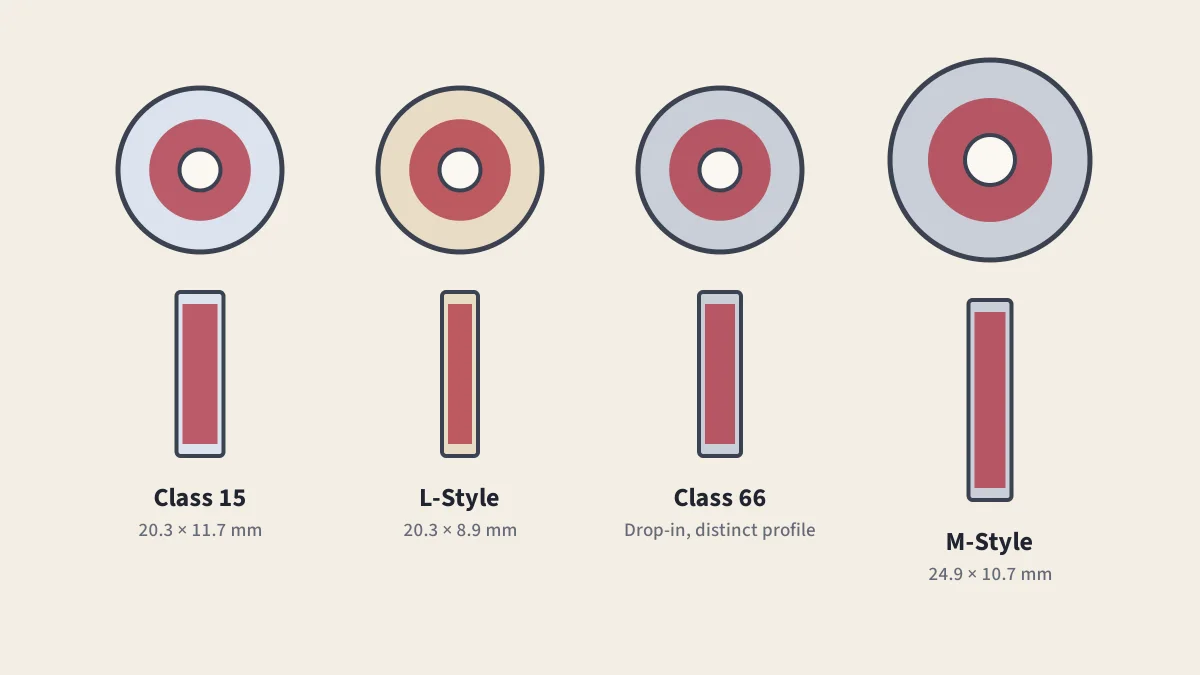
- An empty bobbin of the correct type for your machine. Bobbins that look alike are not always interchangeable; see bobbin types and classes.
- A spool of thread, usually the same thread you are sewing with on top.
- Small scissors or snips.
How to Wind a Bobbin Step by Step
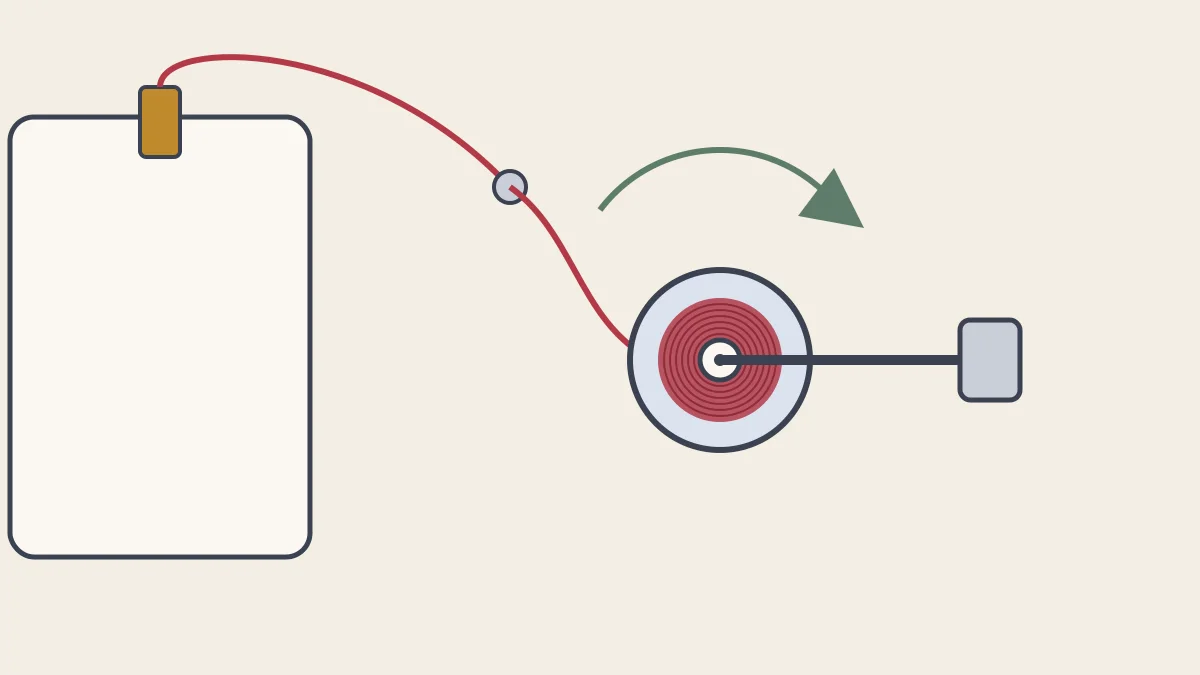
- Place the spool on the spool pin, adding the spool cap if your machine uses one.
- Guide the thread to the bobbin-winding tension disc. This is a small disc or guide on top of the machine, often marked with a bobbin symbol or dotted line. Pull the thread firmly into it. This step gives the bobbin its tension.
- Thread the bobbin. Pass the thread end from the inside of the bobbin out through one of the small holes in its top rim, or wrap it clockwise around the center a few times if the bobbin has no hole.
- Put the bobbin on the winder spindle and push the spindle (or the bobbin) toward the stopper, usually to the right. Most machines will now wind the bobbin without moving the needle.
- Hold the thread tail upright and start the machine slowly, using the foot pedal or the start button.
- After a few turns, stop and trim the tail close to the bobbin, so it does not tangle.
- Continue winding at a steady medium speed until the bobbin is full. Many machines stop automatically.
- Push the spindle back to the sewing position, cut the thread and remove the bobbin.
How a Good Bobbin Looks
Fixing Bobbin Winding Problems
| Problem | Likely Cause | Fix |
|---|---|---|
| Thread soft and spongy | Thread missed the winding tension disc | Rethread the winding path and pull the thread firmly into the disc |
| Thread piled on one side | Winding guide misaligned, or thread caught | Rethread; if it persists, the winding guide may need adjusting by a technician |
| Bobbin will not start winding | Spindle not pushed into winding position | Push the spindle fully toward the stopper |
| Needle moves while winding | Clutch engaged (older machines) | Loosen the handwheel clutch knob |
| Thread tail tangles around the spindle | Tail not trimmed after the first few turns | Stop early and trim the tail close |
| Overfilled bobbin will not fit | Winder stop not set or ignored | Unwind a little, and stop before the rim next time |
How Much Thread Does a Bobbin Hold?
It depends on the bobbin size and the thread. When Superior Threads wound bobbins on home machines with the same thread, a Class 15 bobbin held about 83 yards, an L-style about 66 yards and a larger M-style about 125 yards. Factory-wound prewound bobbins are wound much more tightly; the company says they can hold up to three times as much thread as a self-wound bobbin.
Tips for Better Bobbins
- Wind on an empty bobbin. Winding over old thread makes bobbins lumpy and uneven.
- Use the same thread top and bottom for most sewing, unless your pattern or technique says otherwise.
- Do not rush. Very high winding speeds can stretch some threads, especially polyester.
- Keep spare bobbins. Buy bobbins of the correct class for your machine, and keep a few wound with your most-used colors.
- Insert the bobbin the right way. Follow the direction shown on your machine; see how to thread a sewing machine.
Sources
- Bobbin, Wikipedia
Frequently Asked Questions
Why is my bobbin winding loose or uneven?
Usually because the thread missed the bobbin-winding tension disc or guide, so it winds without tension. Rethread the winding path, and make sure the thread is pulled firmly into the small disc before starting.
Can I wind a new color over old thread on a bobbin?
It is better not to. Layers of different thread make the bobbin uneven and can affect tension. Use an empty bobbin, or unwind the old thread first.
How full should a bobbin be?
Most machines stop winding automatically when the bobbin is full. If yours does not, stop just short of the rim. An overfilled bobbin may not fit or turn freely in the bobbin case.
Do prewound bobbins hold more thread?
Yes. Factory-wound bobbins are wound very tightly and evenly, and thread maker Superior Threads says they can hold up to three times more thread than bobbins wound at home.
Keep Reading
Bobbin Types and Classes
Class 15, 15J, 66, L and M bobbins compared, with sizes.
How to Thread a Sewing Machine
The thread path step by step, plus the habits that prevent tangles.
Parts of a Sewing Machine
A labeled diagram and what every part of the machine does.
Common Sewing Machine Problems
Thread nests, skipped stitches, broken needles and feeding faults fixed.