Interfacing Types: The Hidden Layer That Shapes Clothes (2026)
Collars that stand up, cuffs that stay crisp and buttonholes that do not stretch all owe something to interfacing, an unseen layer applied to the inside of a garment. Here is how the different types work.
In This Article
Interfacing in Brief
- Purpose: adds body, support and stability
- Attachment: fusible (heat-activated) or sew-in
- Structure: woven, nonwoven or knit
- Weight: from featherweight to heavy
- Placement: on the wrong side, out of sight
Interfacing is a textile applied to the unseen, or wrong, side of fabric to make part of a garment firmer. It stiffens and adds body to areas such as shirt collars and cuffs, strengthens places like buttonholes, and stops fabrics, especially knits, from stretching out of shape. You rarely see it, but you notice when it is missing.
Fusible vs. Sew-In
Most modern interfacings have heat-activated adhesive on one or both sides and are applied with heat and moderate pressure from an iron. Non-fusible, or sew-in, interfacings have no adhesive and must be stitched in place by hand or machine.
| Type | Pros | Cons |
|---|---|---|
| Fusible | Fast; bonds evenly; stops fraying at edges | Can change the drape; may bubble if poorly fused; not for heat-sensitive fabrics |
| Sew-in | Keeps the fabric's natural drape; works on any fabric | Slower to apply; must be stitched in |
Woven, Nonwoven and Knit
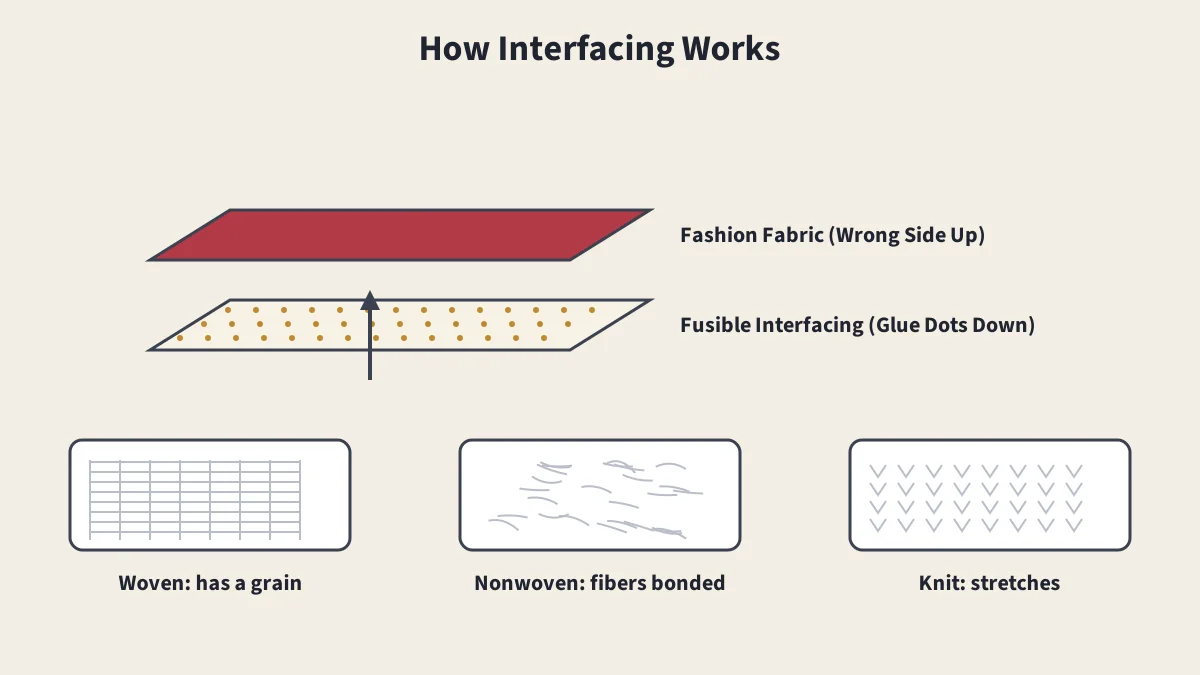
- Woven interfacing is loosely woven, often like muslin. It has a grain, so it can be cut on the same grain as the fashion fabric and behaves similarly.
- Nonwoven interfacing is made of fibers bonded or felted together. It has no grain, so pieces can be cut in any direction, and it is often the cheapest.
- Knit interfacing stretches, so it suits knit fabrics and garments that need to move.
Choosing the Right Weight
Interfacing comes in many weights and stiffnesses. As a rule, choose a weight similar to or lighter than the fashion fabric; heavier fabric calls for heavier interfacing. Patterns usually say what weight and how much is needed. When in doubt, fuse a test square to a scrap and see how it feels.
How to Apply Fusible Interfacing
- Cut the interfacing from the pattern piece, often trimming it out of the seam allowance to reduce bulk.
- Place the glue side against the wrong side of the fabric.
- Cover with a pressing cloth to protect your iron.
- Press, lifting and lowering the iron rather than sliding it, for the time the manufacturer recommends, usually with steam.
- Let it cool completely before moving the piece, so the bond sets.
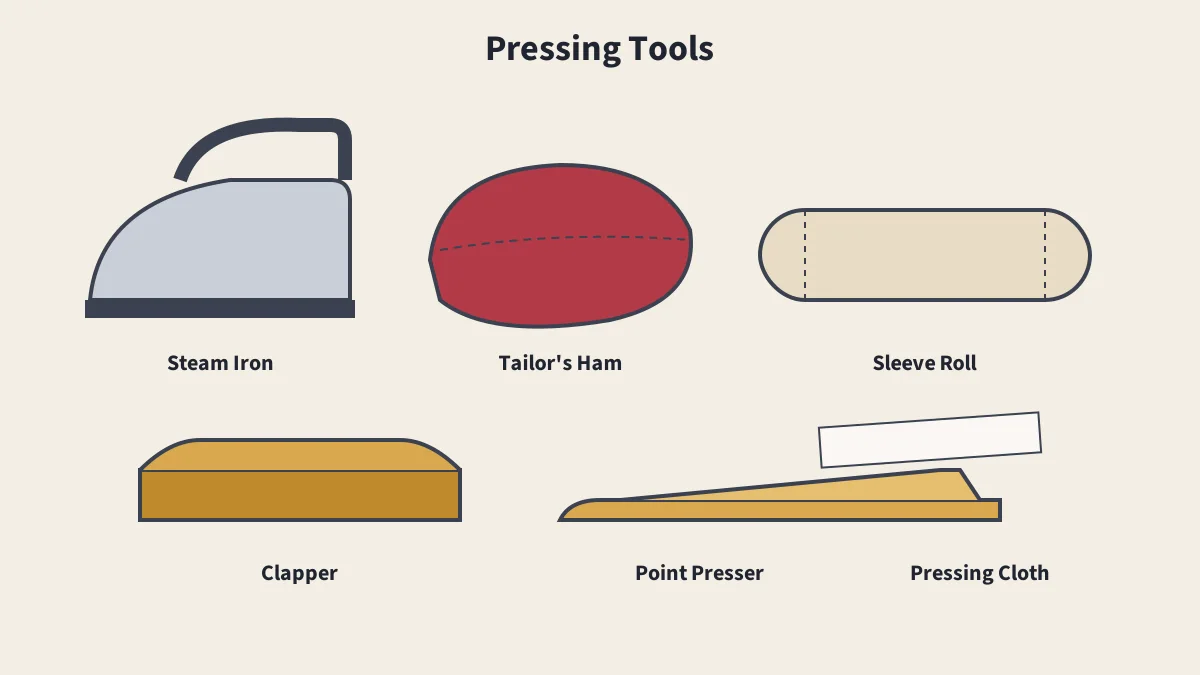
See pressing tools for more about pressing cloths.
Where Interfacing Goes
- Collars, collar stands and cuffs
- Button and buttonhole plackets
- Waistbands
- Facings at necklines and armholes
- Pocket openings and flaps
- Bag panels and straps
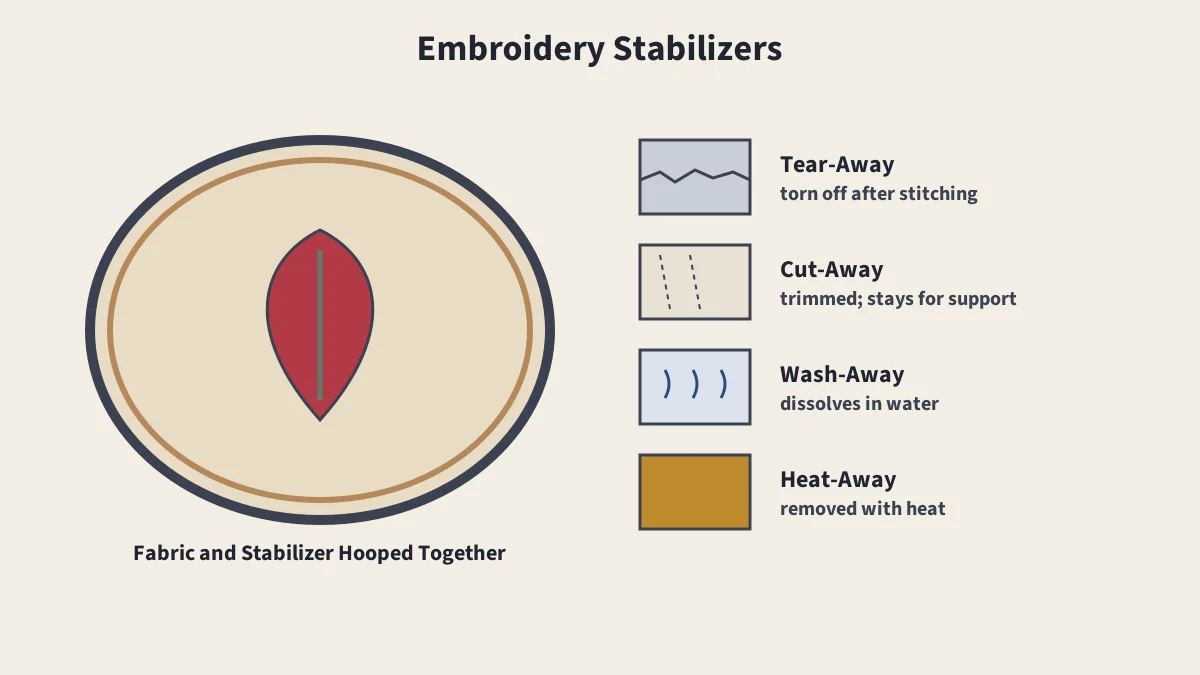
Interfacing is related to, but not the same as, the stabilizers used in machine embroidery; see embroidery stabilizers.
To glue two fabrics together rather than stiffen one, use fusible web.
Sources
- Interfacing, Wikipedia
Frequently Asked Questions
What is interfacing used for?
Interfacing is a textile applied to the wrong side of fabric to add body, stiffness or stability. It is used in collars and cuffs, behind buttonholes and buttons, in waistbands and facings, and to keep knits from stretching out of shape.
Should I use fusible or sew-in interfacing?
Fusible interfacing is quicker and suits most fabrics. Sew-in interfacing is better for fabrics that cannot take the heat or pressure of fusing, such as some silks, velvets, sequined fabrics and heat-sensitive synthetics, and for traditional tailoring.
What weight interfacing should I use?
Generally, choose interfacing the same weight or lighter than your fabric, and heavier fabric calls for heavier interfacing. Patterns usually specify the weight and amount needed.
Which side of interfacing is the glue side?
The fusible side usually feels slightly rough or looks shiny or dotted with glue. That side goes against the wrong side of the fabric.
Keep Reading
Pressing Tools
The iron, tailor's ham, sleeve roll, clapper and pressing cloth.
Embroidery Stabilizers
Tear-away, cut-away, wash-away and heat-away stabilizers explained.
Right Side vs. Wrong Side of Fabric
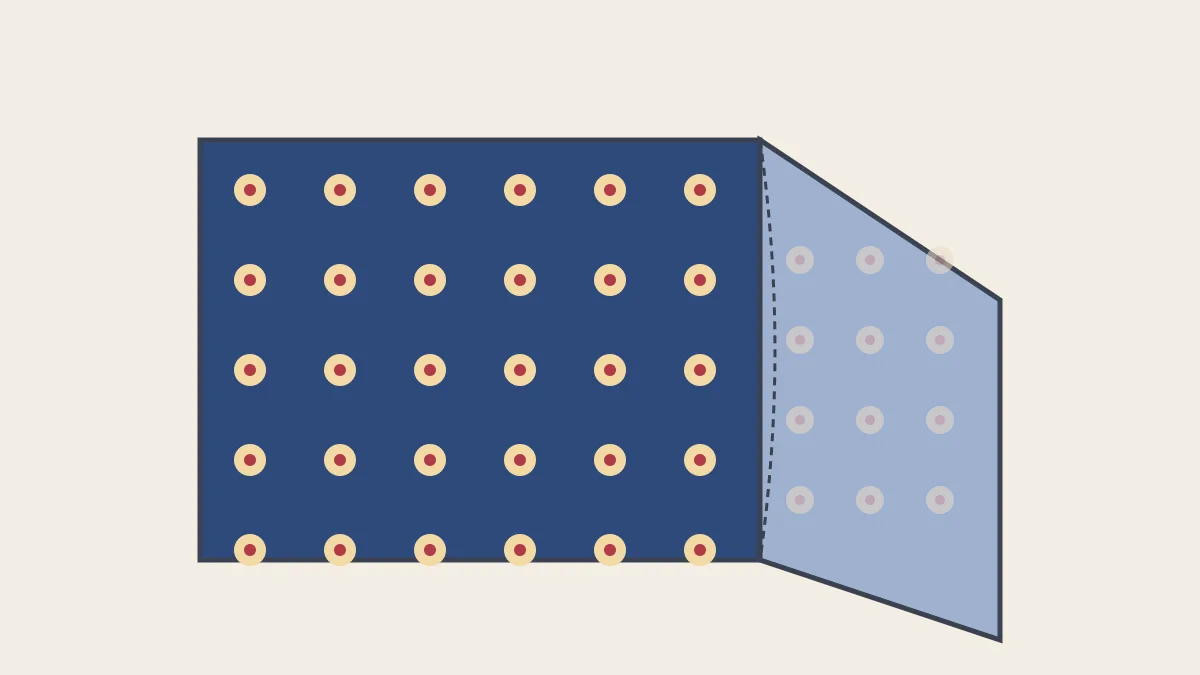
Simple checks for prints, solids, selvedges, knits and double-sided cloth.
Types of Thread
Thread fibers, uses, and weight, tex and denier explained.