The Singer 99: Singer's Three-Quarter-Size Classic (2026)
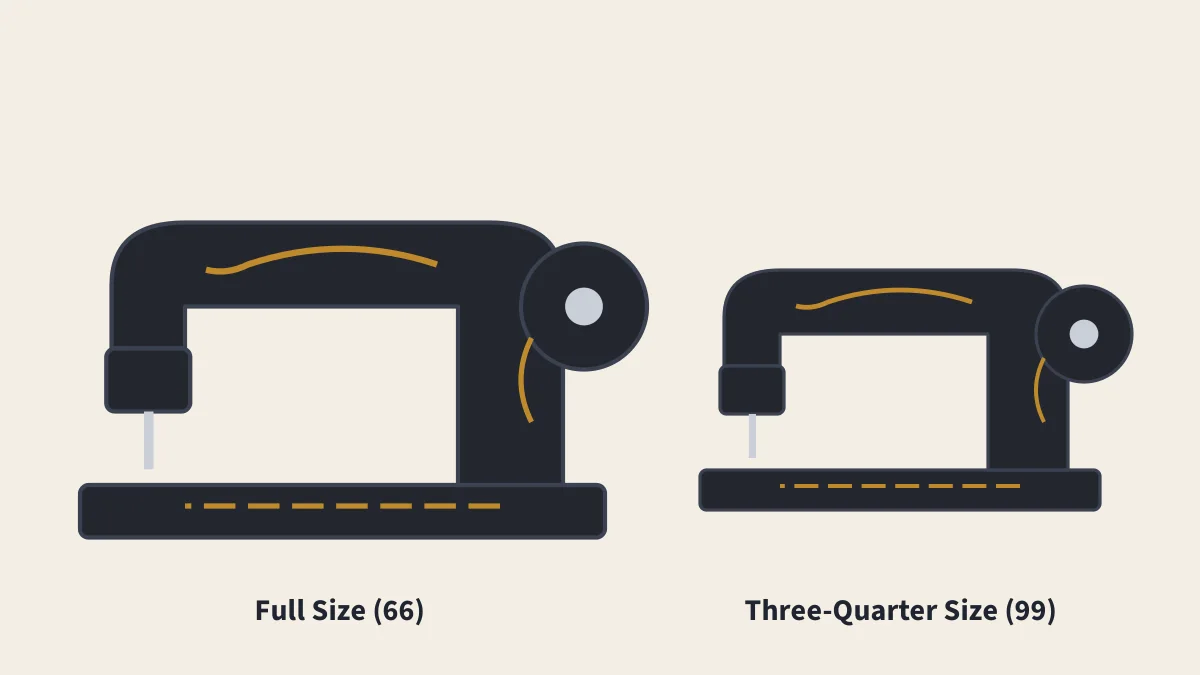
Introduced in 1911, the Singer 99 put the reliable mechanism of the full-size 66 into a smaller body that did not need its own table. It became a popular portable machine for decades, especially in Britain.
In This Article
Singer 99 Facts
- Introduced: 1911
- Size: three-quarter size
- Mechanism: the same as the full-size 66
- Bobbin: Class 66 drop-in
- Made: USA (99) and Kilbowie, Scotland (99K)
Full-size machines of the early 20th century were designed to sit in a treadle stand or cabinet. Not every home had room for one. Singer introduced the class 99 in 1911 in response to the growing demand for a lighter, more portable home machine that did not need a special table. It was, in effect, a smaller Singer 66.
A Smaller 66
The 99 used an identical mechanism to the class 66. That means it has the same drop-in round bobbin in a horizontal oscillating hook and produces the same reliable straight stitch. It is still a cast-iron machine, so "portable" is relative: it is much heavier than the aluminum Featherweight that came later, but far easier to move than a full-size machine in a cabinet.
Versions
| Version | Notes |
|---|---|
| 99 (USA) | Made in the United States |
| 99K | Made at Kilbowie, Scotland; stayed in production until around 1958 |
| Hand-crank and electric 99s | Offered with different power sources |
| 99K-31 | A later version that added reverse |
For what the "K" means, see Singer serial numbers.
Decals
Like other Singers of the period, the 99 carried different decal sets over its long life, from elaborate early gold patterns to simpler later designs. See our Singer decals guide.
Using a 99 Today
- Needles: standard 15x1 needles.
- Bobbins: Class 66.
- Feet: low-shank side-clamp feet on most versions.
- Stitch: straight stitch; most versions sew forward only.
- Care: clean and oil as the manual shows; check wiring on electric models. See maintenance.
Hand-crank machines are popular for travel and for sewing where electricity is unreliable, and they make a gentle introduction to vintage sewing; see hand-crank sewing machines.
Sources
- Singer Corporation, Wikipedia
Frequently Asked Questions
What is the Singer 99?
A three-quarter-size home sewing machine introduced by Singer in 1911. It uses the same mechanism and many of the same parts as the full-size Singer 66, in a smaller body.
How can I tell a Singer 99 from a Singer 66?
The 99 is smaller overall, roughly three-quarters the size of the 66, while the mechanism and Class 66 bobbin are the same.
Does the Singer 99 have reverse?
Most do not. Reverse was added on the later 99K-31 version.
What bobbins does a Singer 99 use?
Class 66 bobbins, the same drop-in bobbins as the Singer 66.
Keep Reading
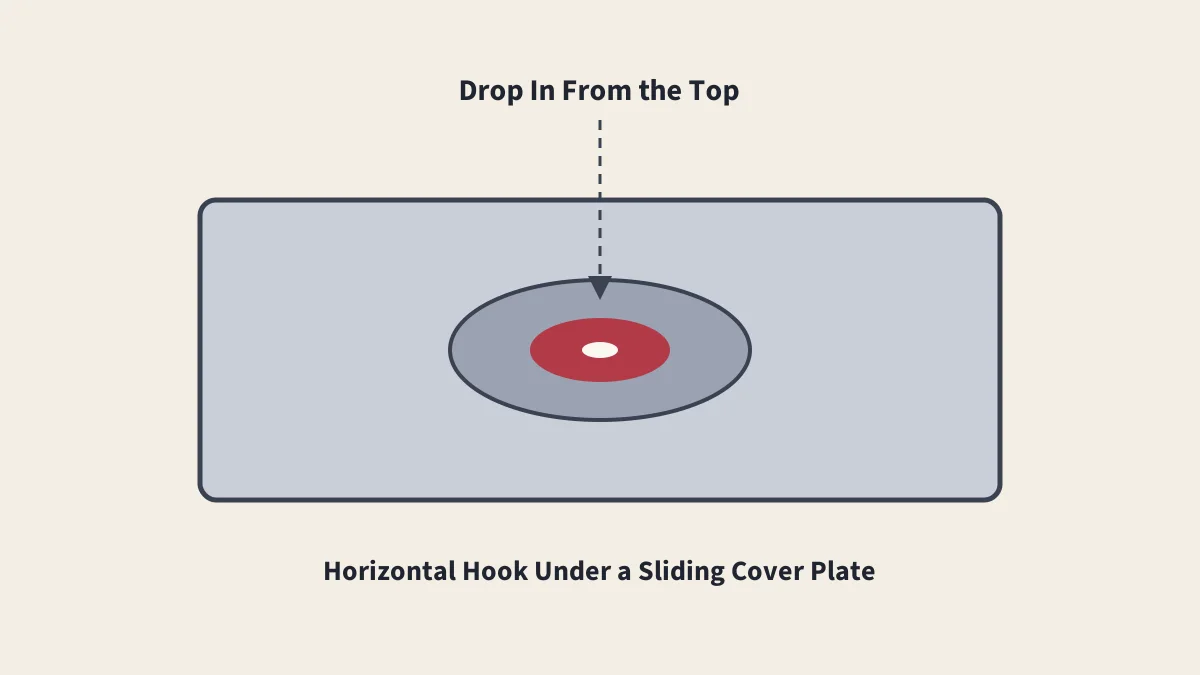
Singer 66 Red Eye
The 1902 drop-in-bobbin 66, Red Eye decals and back-clamp feet.
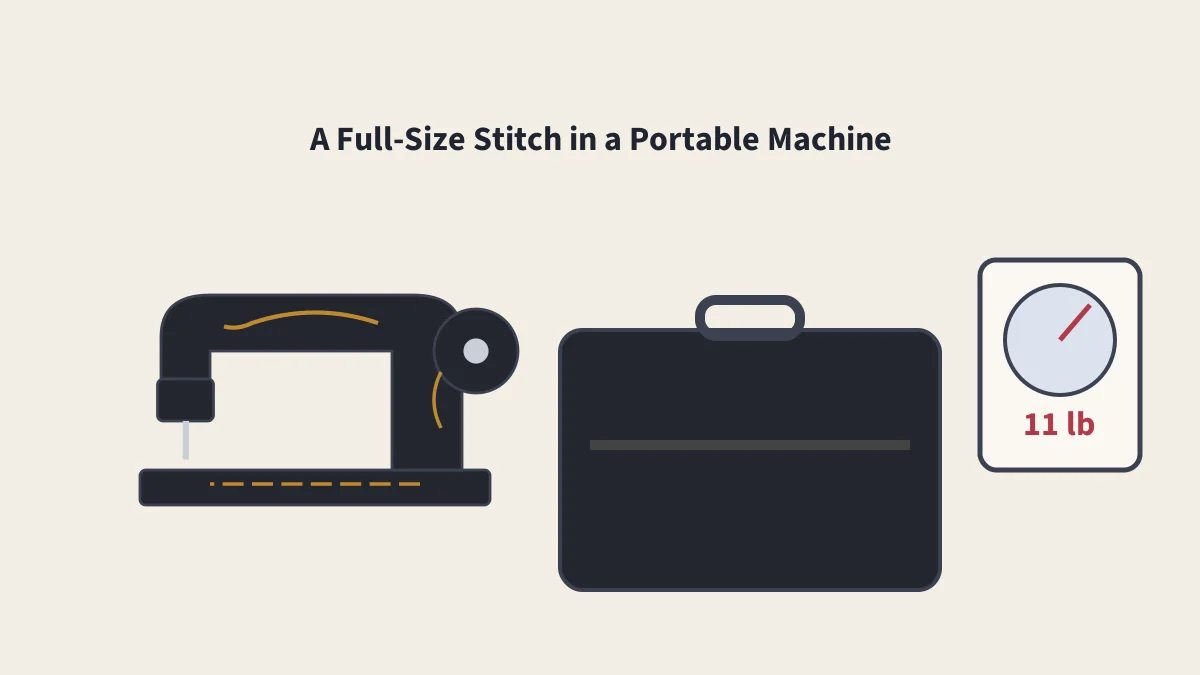
Singer Featherweight 221 and 222
History of the 11-pound 221 and free-arm 222K, and why it endures.
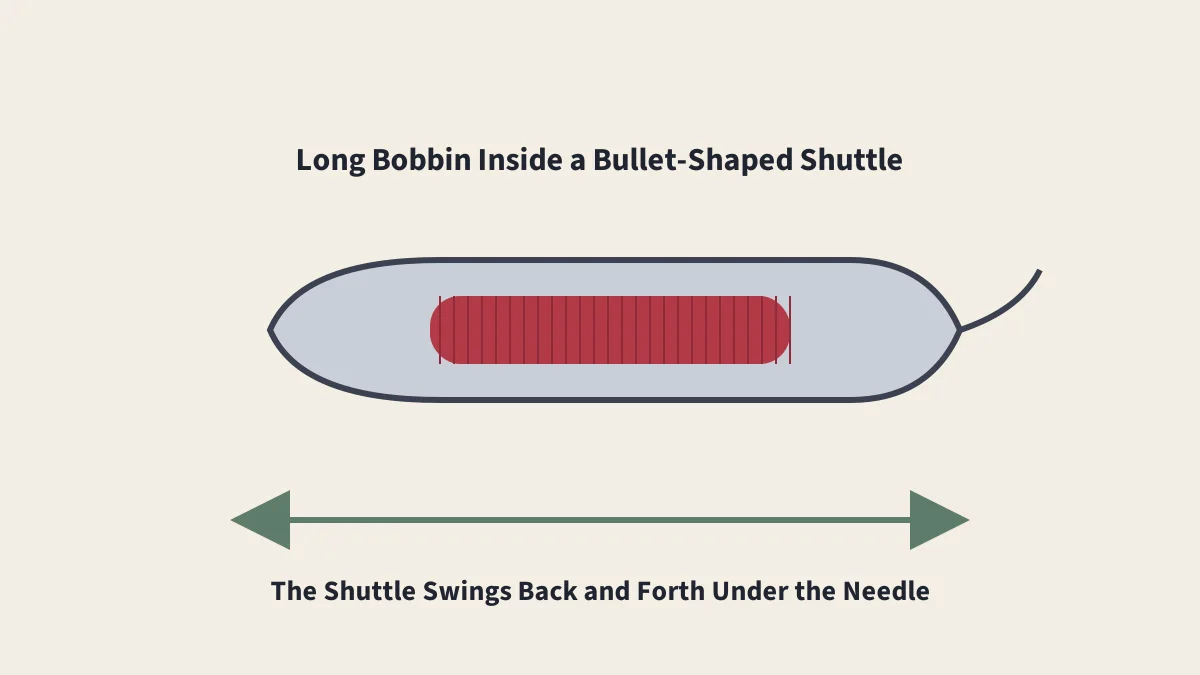
Singer 27, 28, 127 and 128
The VS-1 to 128 family, the long shuttle and how to tell models apart.
Vintage Sewing Machine Identification
Serial numbers, bobbins, decals, badges and factory codes explained.