Singer Slant-o-Matic Machines: 401A, 403A, 404 and 500A Compared (2026)
In the late 1950s and early 1960s, Singer built a family of all-metal, gear-driven slant-needle machines with zigzag and decorative stitches. The Slant-o-Matics remain favorites of vintage sewists. Here is how the models differ.
In This Article
The Slant-o-Matic Family
- 401A: zigzag, built-in decorative cams plus top hat cams
- 403A: zigzag and decorative stitches using top hat cams only
- 404: straight stitch only, slant needle
- 500A "Rocketeer": space-age styling, zigzag, built-in stitches and cams
- All: slant shank, gear driven, metal construction
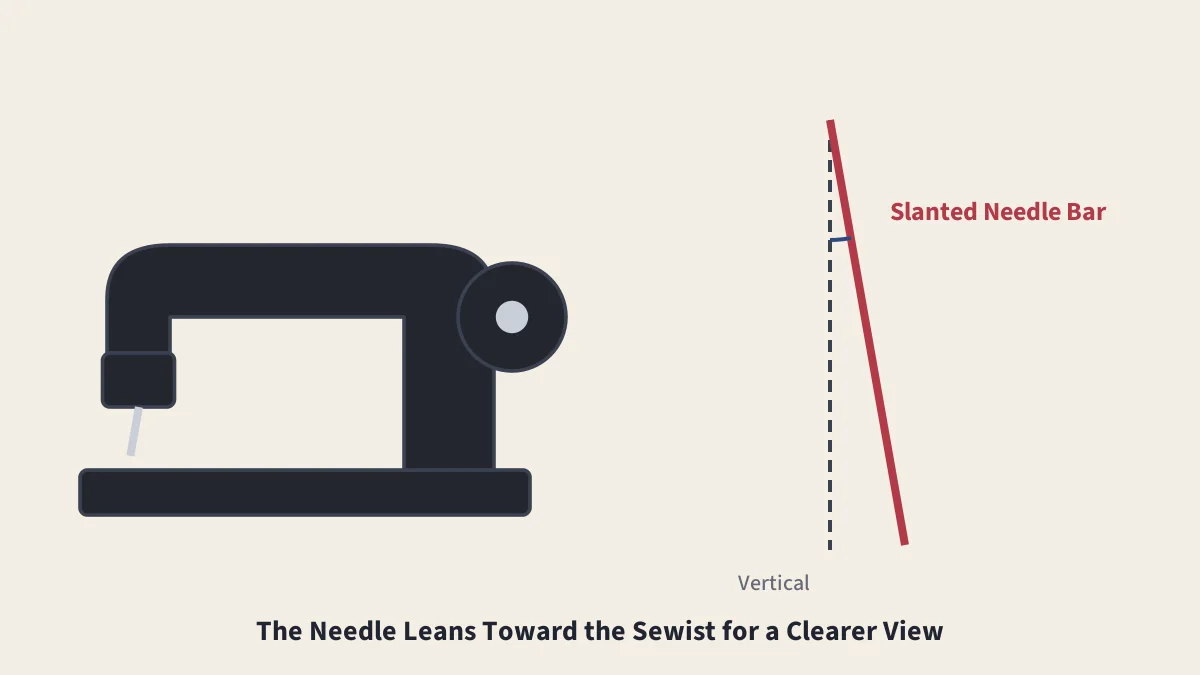
The Singer 301 of 1951 introduced Singer's slanted needle. In the years that followed, Singer built on its architecture to create a top-of-the-line family of zigzag machines marketed as Slant-o-Matics. Most were built at Anderson, South Carolina, and they combined all-metal construction and gear drive with zigzag and decorative stitches, and many are still sewing today.
The Models
Singer 401A
The 401A is a slant-needle zigzag machine with a horizontal rotary hook and built-in decorative stitches, selected by dials, plus the ability to use top hat cams for more patterns. It is often regarded as the flagship of the family. Sources give its production as roughly 1956 or 1958 to 1961.
Singer 403A
The 403A was a simpler sister model. It sews zigzag and decorative stitches, but instead of built-in cams it relies on removable top hat cams for all of them, including plain zigzag. It was produced around 1958 to 1960.
Singer 404
The 404 is the straight-stitch member of the family: a slant-needle, slant-shank machine with a rotary hook, Class 66 bobbins and 15x1 needles. It has reverse and a needle plate that rises for darning and free-motion work.
Singer 500A "Rocketeer"
The 500A, nicknamed the Rocketeer for its futuristic styling, was produced in the early 1960s. It shares the 401A's basic architecture: aluminum body, gear-driven motor, zigzag, built-in stitches and top hat cams. A related model, the 503A, was also made at Anderson.
Comparison
| Model | Zigzag | Built-In Decorative Stitches | Top Hat Cams | Approx. Years |
|---|---|---|---|---|
| 301 / 301A (predecessor) | No | No | No | 1951 to late 1950s |
| 401A | Yes | Yes | Yes | Late 1950s to 1961 |
| 403A | Yes (via cams) | No | Yes | About 1958–1960 |
| 404 | No | No | No | About 1958–1963 |
| 500A | Yes | Yes | Yes | Early 1960s |
Dates vary between sources because Singer's production records for these models are incomplete.
How Top Hat Cams Work
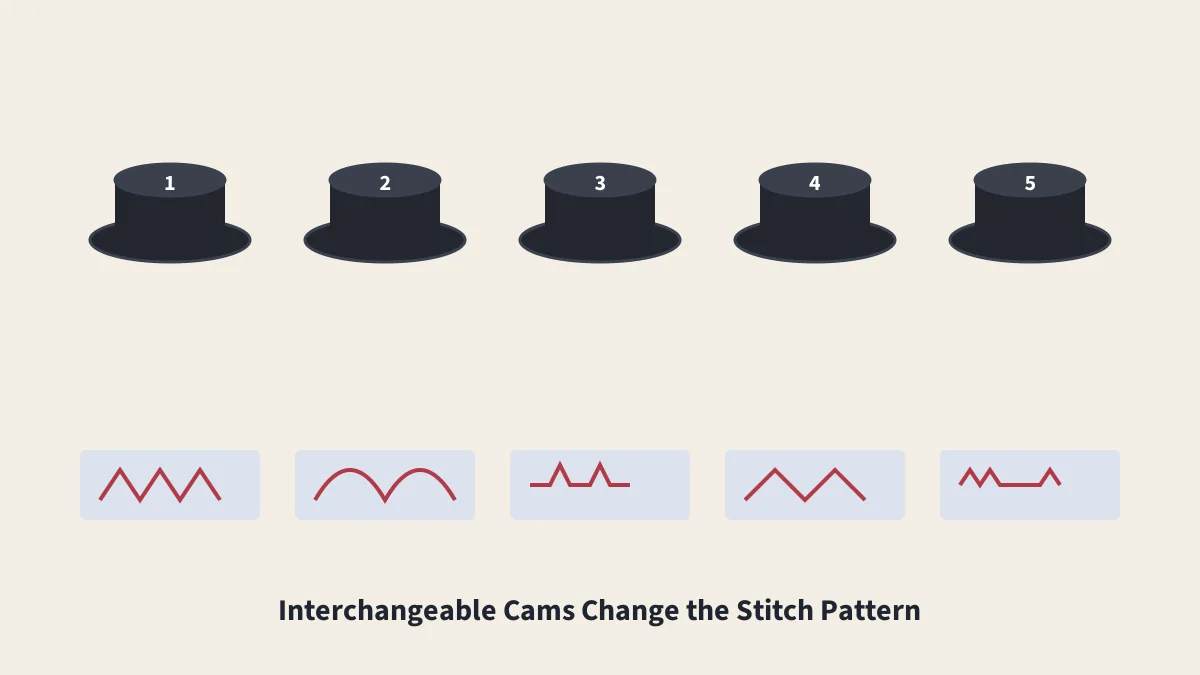
A cam is a shaped disc. As it turns, a follower rides around its edge and moves the needle bar from side to side by different amounts, creating a pattern. Singer's "top hat" cams, named for their shape, drop into a socket on top of the machine and can be swapped in seconds. Different cams produce zigzags, scallops, blind hem stitches and other patterns. Today's computerized machines do the same thing electronically; see decorative stitches.
Why Sewists Still Use Them
- All-metal mechanisms with gear drive, built for long service.
- Strong motors that handle heavier fabrics well.
- Zigzag and decorative stitches without electronics.
- Repairable by technicians familiar with mechanical machines.
After the Slant-o-Matic
In the 1960s, Singer moved on to the Touch & Sew line and, later, electronic machines, culminating in the Athena 2000 of 1975, which Singer describes as the world's first electronic sewing machine. See mechanical vs. computerized machines. For dating any Slant-o-Matic, see Singer serial numbers, and for value factors, see what an old Singer is worth.
Sources
- Singer Corporation, Wikipedia
Frequently Asked Questions
What is a Singer Slant-o-Matic?
A family of Singer slant-needle sewing machines from the late 1950s and early 1960s, including the 401A, 403A, 404 and 500A. They built on the Singer 301's slant-needle design and, except the 404, added zigzag and decorative stitches.
What is the difference between the Singer 401A and 403A?
The 401A has built-in stitch cams selected by dials, plus slots for extra top hat cams. The 403A has no built-in decorative cams and uses removable top hat cams for its zigzag and decorative stitches.
What are top hat cams?
Small removable discs shaped like a top hat that drop into the top of the machine. Each cam guides the needle's side-to-side movement to produce a different stitch pattern.
Why is the Singer 500A called the Rocketeer?
Because of its streamlined, space-age styling. The 500A was produced in the early 1960s and combined zigzag, built-in stitches and top hat cams with that distinctive look.
Keep Reading
Singer 301
Singer's first slant-needle machine: history, versions and features.
Decorative Stitches
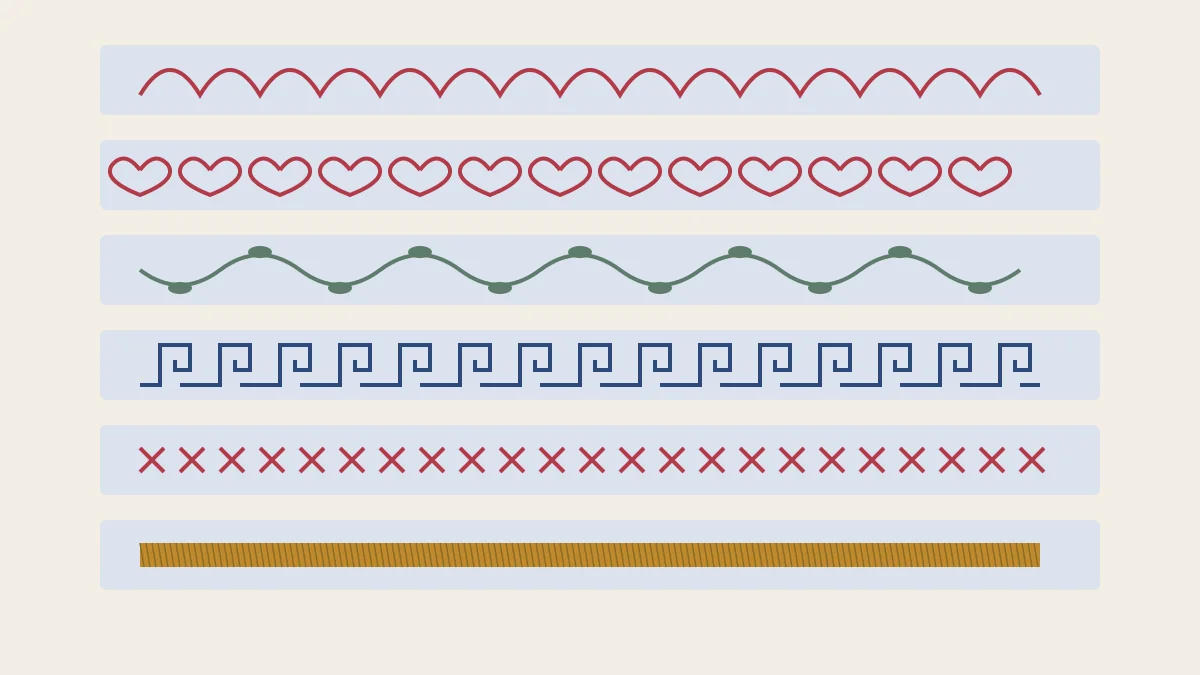
Machine and hand decorative stitches, and how to use them well.
Machine Stitch Types
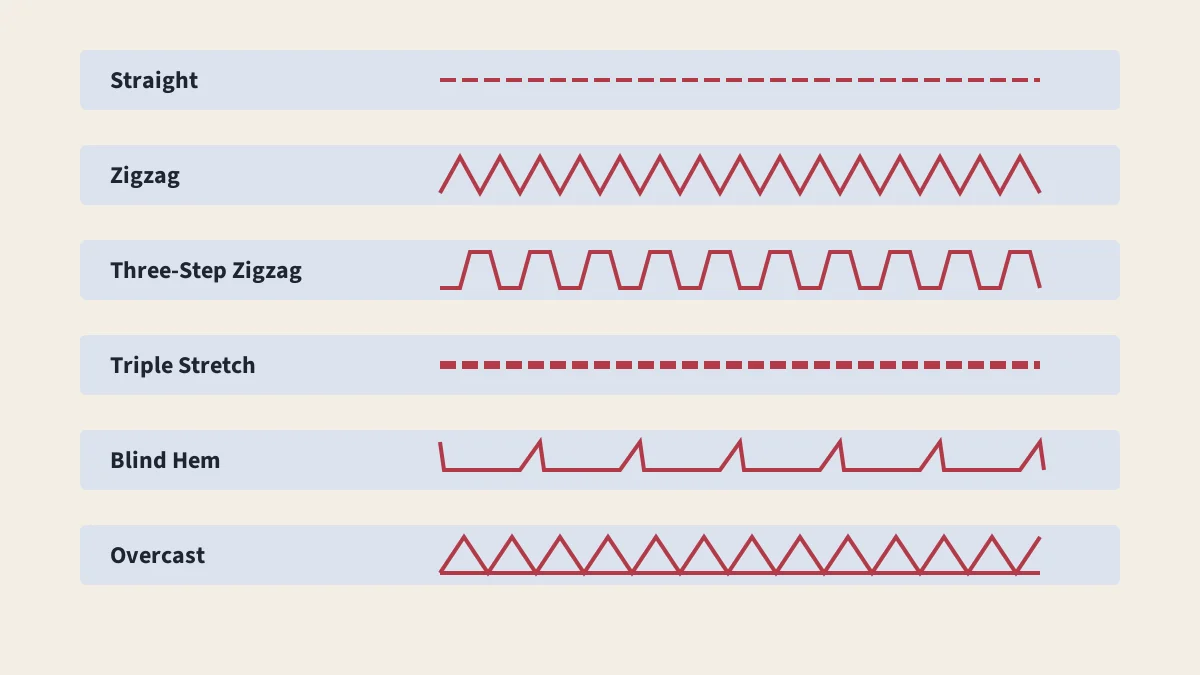
The utility stitches that do most of the work, and when to use each.

What Is an Old Singer Worth?
Model, condition, completeness and demand: what decides value.