Pfaff History: From a Shoemaker's Machine to IDT (2026)
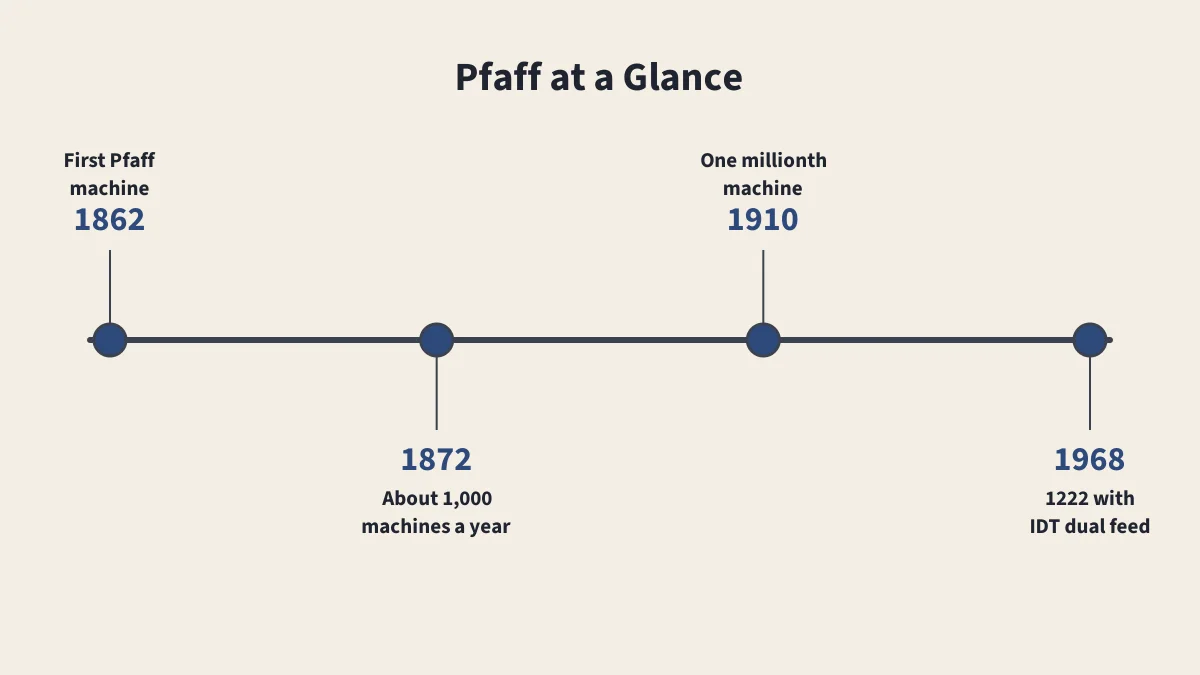
Pfaff began in 1862 with a single handmade machine for sewing shoe leather. Within decades it was one of Germany's great sewing machine makers, and its built-in dual feed became one of the best-known features in home sewing.
In This Article
Pfaff in Brief
- Founded: 1862, Kaiserslautern, Germany
- Founder: Georg Michael Pfaff (1823–1893), instrument maker
- First machine: handmade, for sewing shoe leather
- Milestone: one millionth machine in 1910
- Best-known feature: IDT built-in dual feed, from 1968
Georg Michael Pfaff was a maker of musical instruments in Kaiserslautern, in southwestern Germany. In 1862 he built his first sewing machine by hand, designed to sew leather for shoemaking. It was the start of a company that would make millions of machines and give its name to one of the most recognizable brands in home sewing.
Growth in the 19th Century
The business grew quickly. By 1872 Pfaff employed around 30 people and was making roughly 1,000 machines a year. In 1885 it opened a sewing machine shop in London, part of a push into international markets. After Georg Michael Pfaff died in 1893, his second son, Georg Pfaff, took over the management and expanded the company further. In 1910 Pfaff made its one millionth machine.
Lina Pfaff
When Georg Pfaff died in 1917, the founder's daughter, Lina Pfaff, took over. She led the company on a global scale until 1926, when her nephew Karl Pfaff succeeded her. Her leadership spanned the last years of World War I and the turbulent years that followed.
IDT: The Built-In Walking Foot
Ordinary sewing machines feed fabric only from below, with feed dogs. When two or more layers are sewn together, the bottom layer can move faster than the top, causing stripes to slip and quilts to pucker. The usual fix is a separate walking foot that adds feed from above; see the presser feet guide.
Pfaff built that top feed into the machine itself. Its Integrated Dual Transport (IDT) system, introduced on the 1222 in 1968, uses a feed mechanism mounted behind the presser foot that can be engaged to move the top layer in step with the feed dogs. IDT became a signature feature of Pfaff machines.
| Feed Method | How It Works |
|---|---|
| Feed dogs only | Teeth move fabric from below |
| Walking foot attachment | A separate foot adds feed from above |
| Pfaff IDT | A built-in top feed engaged when needed |
Ownership Changes
- 1999: Husqvarna Viking bought Pfaff.
- 2006: Kohlberg & Company, which owned Singer, acquired VSM Group (owner of Husqvarna Viking and Pfaff), creating SVP Worldwide.
- 2013: Pfaff's industrial business in Kaiserslautern was taken over by a subsidiary of China's SGSB Group.
As a result, household Pfaff machines and Pfaff industrial machines are now made by different owners.
Vintage Pfaffs Today
Older Pfaff machines are known for their heavy, well-built mechanisms. If you find one, check whether it has IDT, which presser feet it takes, and which bobbin system it uses; see bobbin types. For care, see sewing machine maintenance. To place Pfaff among its rivals, see our guide to vintage sewing machine brands.
Sources
- Pfaff, Wikipedia
- Singer Corporation, Wikipedia
Frequently Asked Questions
When was Pfaff founded?
In 1862, in Kaiserslautern, Germany, by the instrument maker Georg Michael Pfaff. His first machine was handmade and designed to sew leather for shoes.
What is Pfaff IDT?
IDT stands for Integrated Dual Transport, a built-in walking-foot system that feeds the top layer of fabric along with the bottom layer. Pfaff introduced it on the 1222 in 1968.
Who owns Pfaff now?
The brand has been split. The household sewing machine brand is part of the group that also owns Singer and Husqvarna Viking, while Pfaff's industrial business in Kaiserslautern has been owned by SGSB since 2013.
Are vintage Pfaff machines good?
Many older Pfaffs are well regarded for their solid construction, and machines with IDT remain popular with quilters and sewists who work with layers. As with any vintage machine, condition and parts availability matter most.
Keep Reading
Bernina History
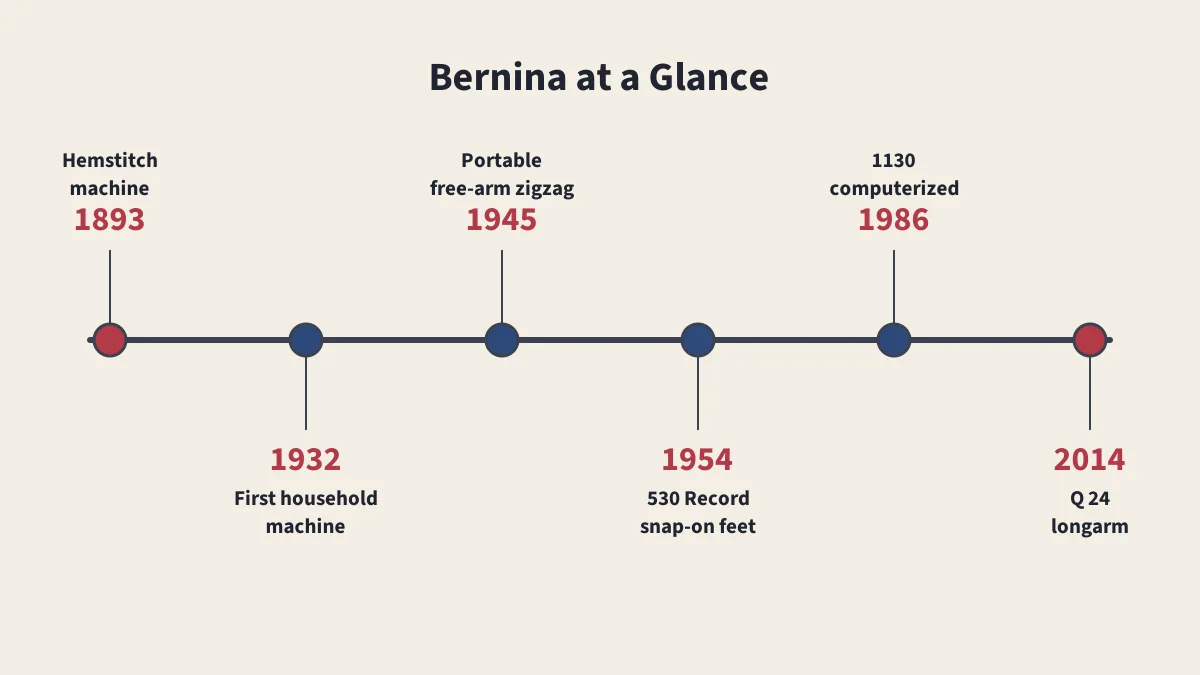
The Gegauf family, the first Bernina zigzag and the 530 Record.
Necchi History
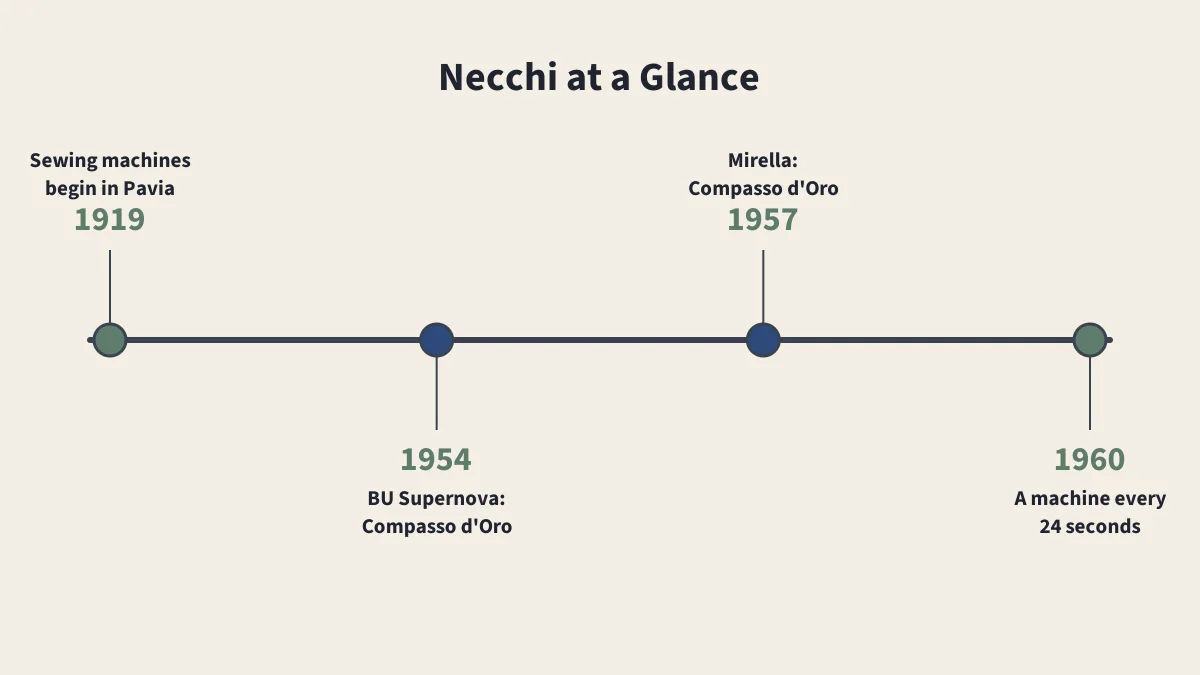
The Pavia foundry, Nizzoli's Supernova and the prize-winning Mirella.
Vintage Sewing Machine Brands
American, European and Japanese makers, plus badge-engineered machines.
Presser Feet Guide
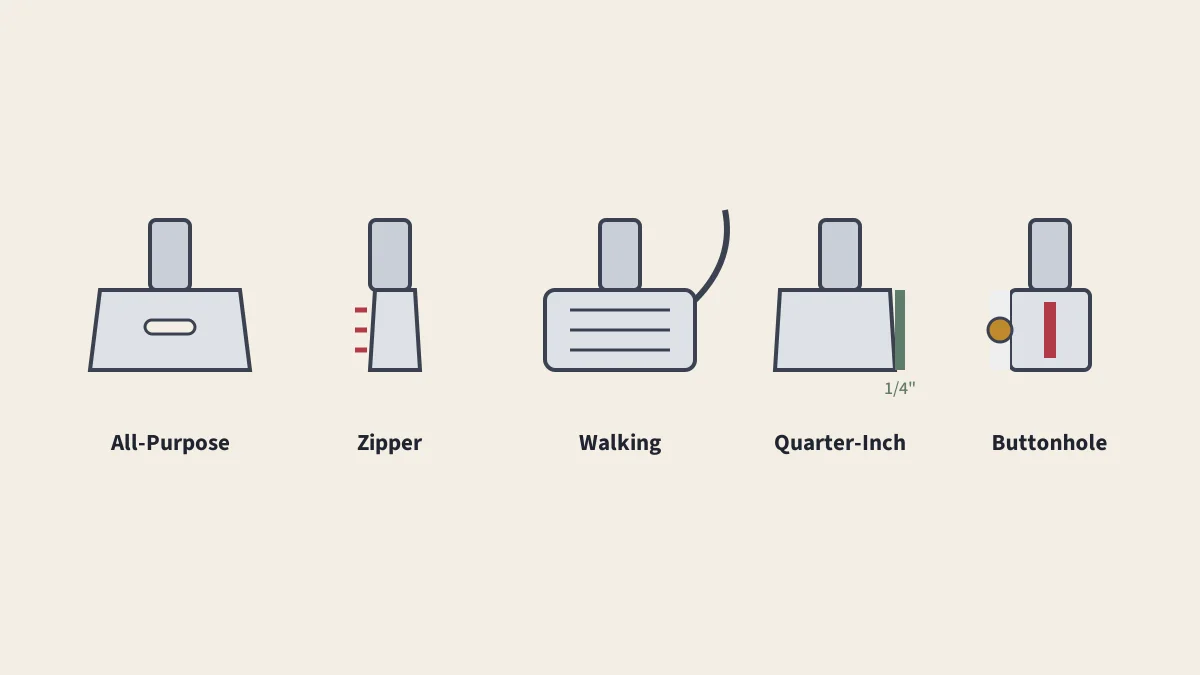
What each presser foot does and how to check it fits your machine.