Singer's Vibrating Shuttle Machines: The 27, 28, 127 and 128 (2026)
Millions of Singer's vibrating shuttle machines were made from the 1880s to the 1960s. Often found in treadle cabinets and decorated with Sphinx decals, they are among the most common antique sewing machines today.
In This Article
Vibrating Shuttle Family in Brief
- VS-1 (1885): experimental, very low production
- VS-2 / 27: full-size; the main line
- VS-3 / 28: three-quarter size, from 1886
- 127 and 128: "modernized" versions, in use into the 1960s
- Common decal: Sphinx (Memphis)
If you have found an old black Singer in a treadle cabinet, with gold Egyptian-style decals and a long, bullet-shaped shuttle under the slide plate, it is very likely a member of this family. Singer's VS-1, VS-2, VS-3, 27, 28, 127 and 128 were produced from the 1880s to the 1960s, and millions were made. In company literature they were called "the woman's faithful friend the world over."
How a Vibrating Shuttle Works
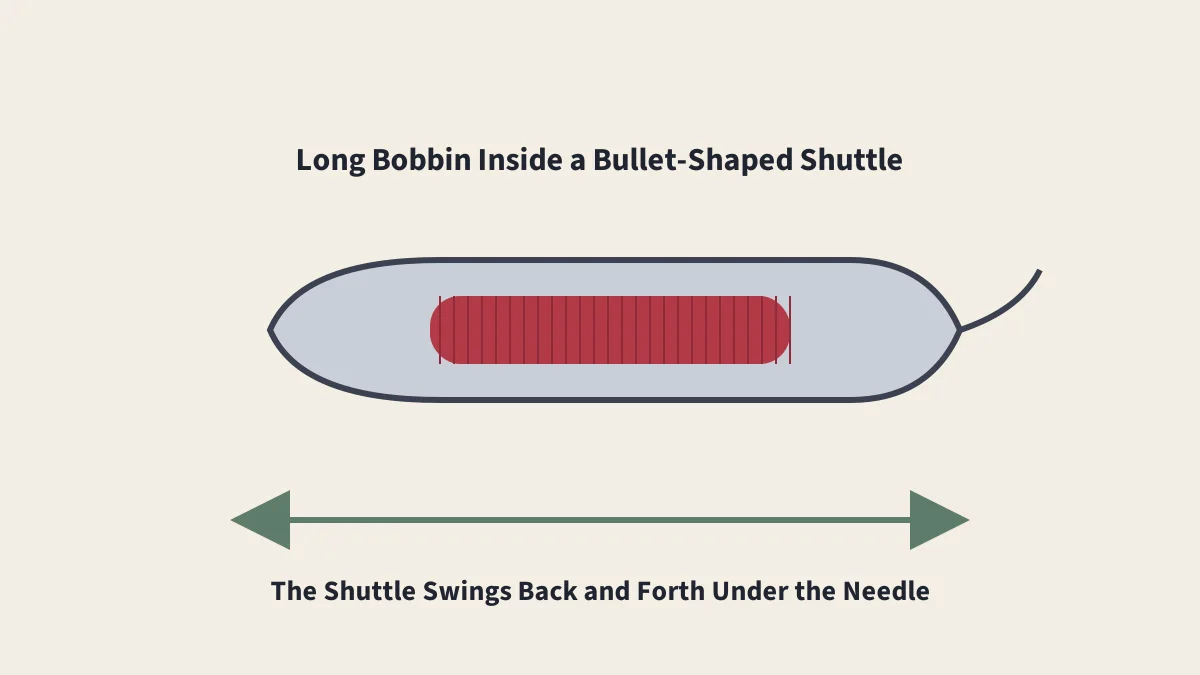
The lower thread is wound onto a long, narrow bobbin that sits inside a bullet-shaped shuttle. Beneath the needle plate, the shuttle swings back and forth in an arc. Each time the needle comes down and forms a loop, the shuttle's point passes through it, carrying the lower thread through the loop to form a lockstitch. The 27 series was Singer's first use of a vibrating shuttle as a bobbin driver, replacing the transverse shuttle of its older New Family machine. Later machines abandoned vibrating shuttles in favor of faster rotary and hook designs; see how a sewing machine works.
The Models
| Years | Name | Notes |
|---|---|---|
| 1885–1887 | Vibrating Shuttle No. 1 (VS-1) | Experimental, very low production |
| 1887–1891 | Vibrating Shuttle No. 2 (VS-2) | Full size, with a "fiddle" shaped bed |
| From 1886 | VS-3, later 28 | Three-quarter size version |
| 1891–1913 | Model 27 | Bed changed to rectangular |
| From about 1910 | Models 127 and 128 | "Modernized" versions; the 128 continued to about 1962 |
The 27 and 127 are full-size machines; the 28 and 128 are three-quarter-size versions of them.
How to Identify One
- Split slide plates running the entire depth of the bed, which open to reveal the long shuttle.
- A trapezoidal access door on the front of the head (on all but the VS-1).
- A long, bullet-shaped shuttle and long bobbin.
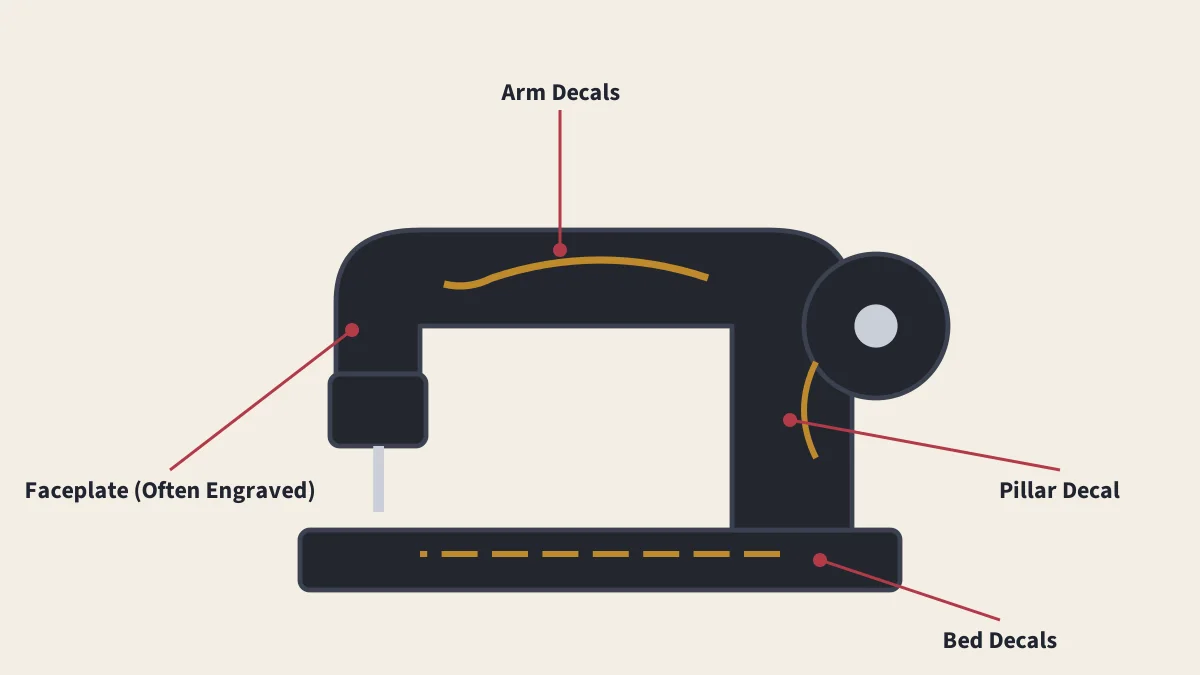
- Decals: the Sphinx set is the best-known decal on these machines. See Singer decals.
Power
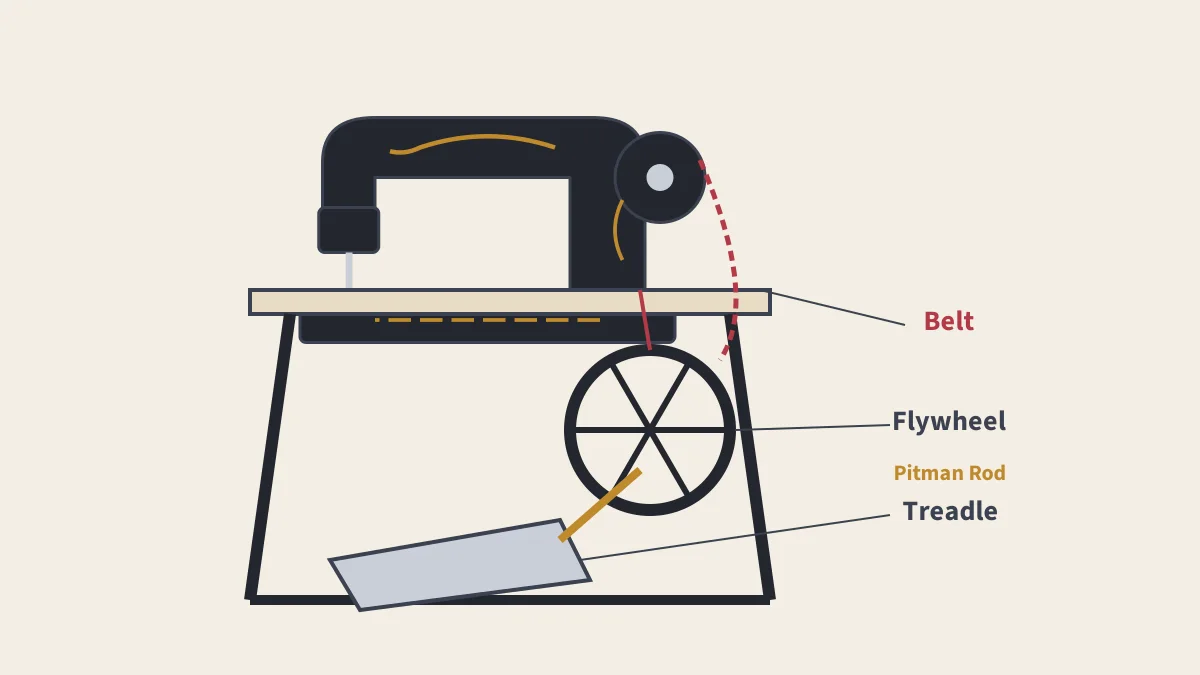
These machines were sold as treadle or hand-crank machines, and many were later converted to electric with add-on motors. See treadle sewing machines and hand-crank sewing machines.
Using One Today
- Shuttle and bobbins: make sure the correct shuttle and long bobbins are present; replacements are available but must match the model.
- Needles: many use 15x1 needles; check your manual.
- Feet: most use low-shank side-clamp feet.
- Stitch: straight stitch, forward only.
- Care: clean, oil and adjust the treadle belt; see maintenance.
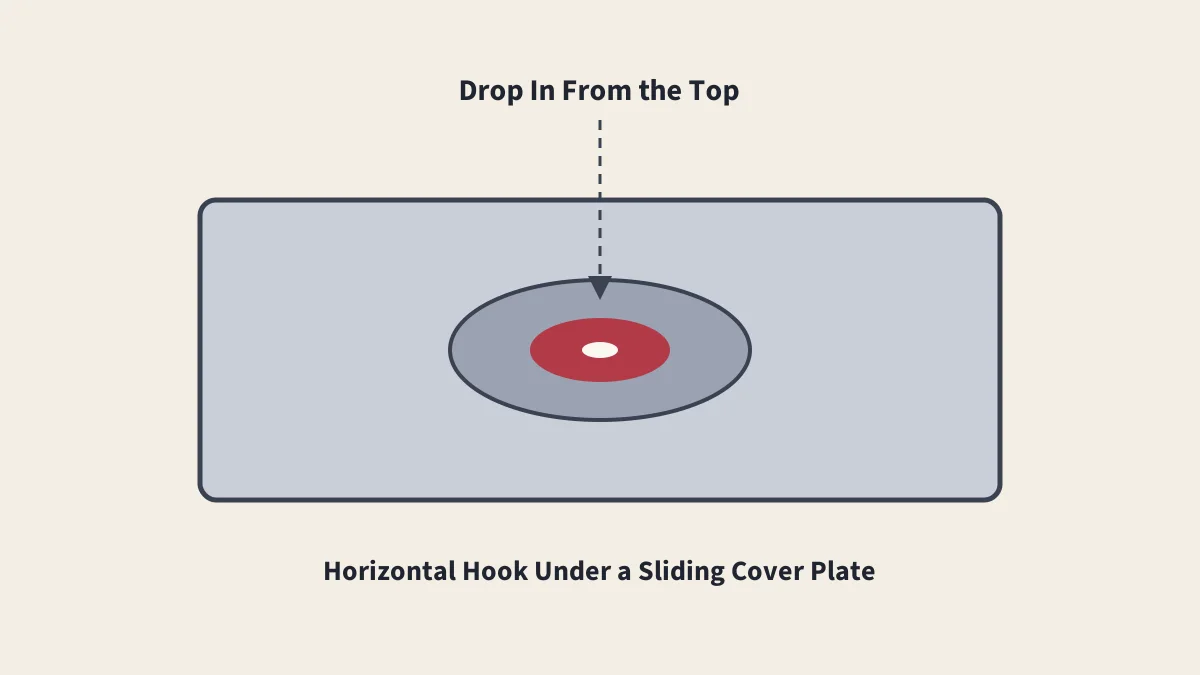
Their successor for most home sewists was the Singer 66, with its round drop-in bobbin. To date one, see Singer serial numbers.
Sources
- Singer Model 27 and 127, Wikipedia
- Vibrating shuttle, Wikipedia
Frequently Asked Questions
What is a vibrating shuttle sewing machine?
A machine in which the lower thread is carried on a long bobbin inside a bullet-shaped shuttle that swings back and forth beneath the needle, passing through the needle thread loop to form a lockstitch.
What is the difference between the Singer 27 and 127?
The 127 is the 'modernized' version of the 27. The 28 and 128 are three-quarter-size versions of the 27 and 127.
When were the Singer 27 and 127 made?
Singer's first vibrating shuttle machine, the VS-1, appeared in 1885. The family continued through the 27 and 127 (full size) and 28 and 128 (three-quarter size), and the last documented 128 production batch dates to 1962.
Who invented the vibrating shuttle?
Singer popularized it, but did not invent it. Wikipedia credits Allen B. Wilson with the original invention; Singer bought and popularized a design built around it.
Keep Reading
Singer 66 Red Eye
The 1902 drop-in-bobbin 66, Red Eye decals and back-clamp feet.
Singer Decals Identification Guide
Sphinx, Red Eye, Tiffany, Lotus and other decal sets, with models and dates.
Treadle Sewing Machines
How foot power drives the machine, and how to treadle smoothly.
Vintage Sewing Machine Identification
Serial numbers, bobbins, decals, badges and factory codes explained.