Types of Wool Fabric: From Worsted Suiting to Tweed (2026)
Wool fabrics split into two great families, worsted and woolen, depending on how the yarn is made. From smooth suiting gabardine to rugged Harris Tweed, here is how the main wool fabrics differ.
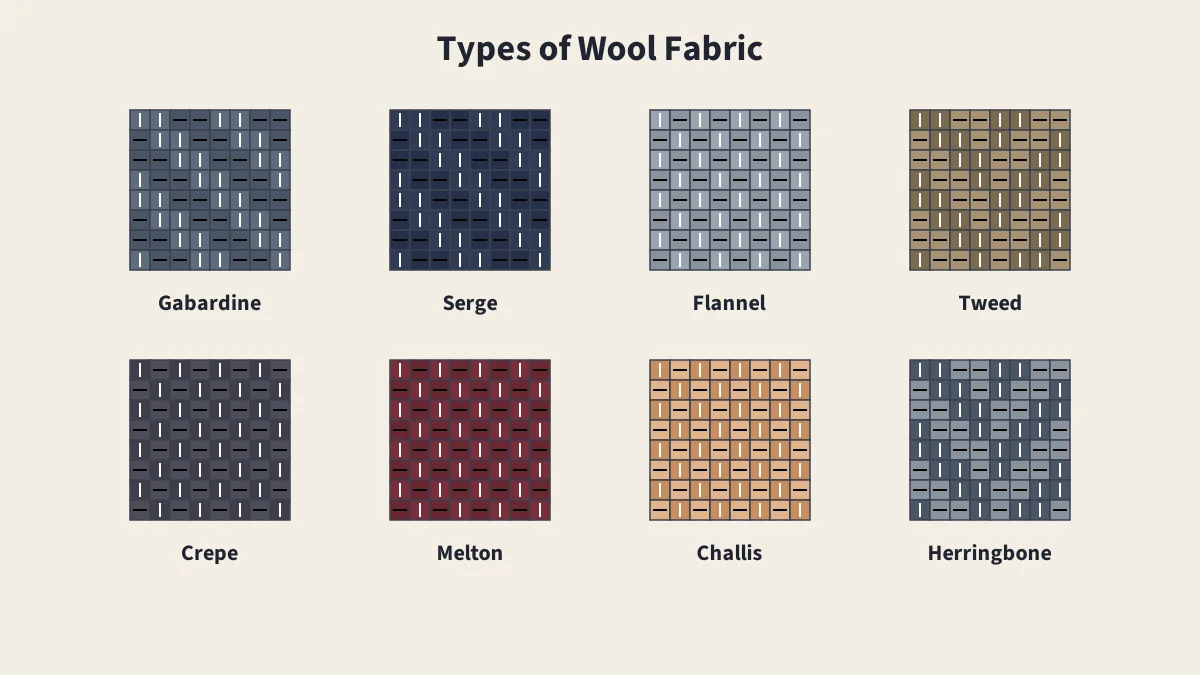
In This Article
Wool Fabrics in Brief
- Worsted: combed long fibers; smooth and crisp
- Woolen: carded short fibers; soft and fuzzy
- Worsted fabrics: gabardine, serge, crepe, tropical wool
- Woolen fabrics: tweed, flannel, melton, boiled wool
- Knits: wool jersey and sweater knits
All wool fabric starts as fleece, but the way the yarn is made divides wool cloth into two families. That choice affects everything from the fabric's surface to how it tailors. For the fiber itself, see wool.
Worsted vs. Woolen
| Worsted | Woolen | |
|---|---|---|
| Fibers | Long staple, combed parallel | Shorter, carded |
| Yarn | Smooth, strong, fine | Soft, bulky, fuzzy |
| Fabric | Crisp, clear weave, holds creases | Soft, warm, textured |
| Examples | Gabardine, serge, crepe | Tweed, flannel, melton |
Worsted takes its name from Worstead, a village in Norfolk, England, which was a center of yarn and cloth production in the 12th century. Worsted is described as stronger, finer, smoother and harder than woolen, while woolen keeps the wool's natural crimp. Worsted wool can develop a shine with wear or abrasion.
Common Wool Fabrics
| Fabric | Description | Typical Uses |
|---|---|---|
| Gabardine | Tightly woven worsted twill with a fine diagonal | Suits, trousers, raincoats |
| Serge | Worsted twill with clear diagonal ribs | Suits, uniforms |
| Wool crepe | Pebbly texture from twisted yarns | Dresses, skirts |
| Flannel | Soft, slightly napped surface | Trousers, skirts, suits |
| Tweed | Coarse, textured woolen, often in mixed colors | Jackets, coats, caps |
| Melton | Heavy, dense and felted, with a smooth face | Coats, pea jackets |
| Challis | Lightweight and soft, often printed | Dresses, scarves |
| Bouclé | Looped yarns for a nubbly surface | Jackets, coats |
| Boiled wool | Knitted, then felted for density | Jackets, slippers |
| Herringbone | Twill that reverses direction in a zigzag | Coats, jackets |
Tweed
Tweed was originally called "tweel," the Scots word for twill. According to a traditional account, a London merchant misread a letter about "tweels" in 1831 and took the word for a trade name based on the River Tweed, and the name stuck. Tweed is a coarse woolen fabric, usually in plain weave, twill or herringbone, and its colors come from mixing dyed wool before spinning.
Sewing With Wool
- Preshrink with steam or professional cleaning.
- Press with steam and a pressing cloth, using a clapper for crisp edges; see pressing tools.
- Match plaids and stripes carefully, especially on tweeds.
- Grade seam allowances on thick woolens to reduce bulk.
- Use the right interfacing for tailoring; see interfacing.
Sources
- Worsted, Wikipedia
- Tweed (cloth), Wikipedia
- Wool, Wikipedia
Frequently Asked Questions
What is the difference between worsted and woolen?
Worsted is made from long-staple wool combed so the fibers lie parallel, giving a smooth, strong yarn and crisp fabric. Woolen yarn uses shorter fibers that are carded, keeping the crimp and giving a soft, bulky, fuzzy fabric.
Where does the word worsted come from?
From Worstead, a village in Norfolk, England, which was a center of yarn and cloth production in the 12th century.
What is Harris Tweed?
Under the Harris Tweed Act 1993, Harris Tweed must be handwoven by islanders at their homes in the Outer Hebrides of Scotland, from pure virgin wool dyed and spun in the Outer Hebrides.
What wool fabric is best for suits?
Worsted wools, such as gabardine and serge, are widely used for tailored suits because they are smooth, resilient and hold a crease well.
Keep Reading
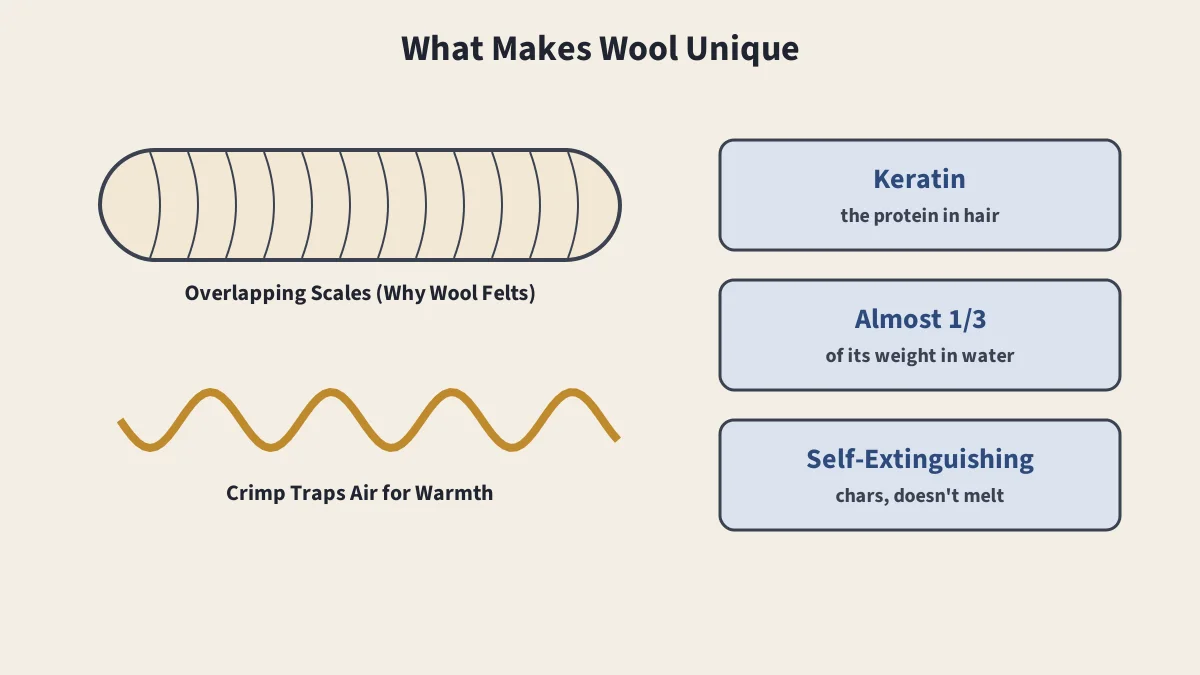
Wool
What wool is, why it is warm and felts, and how to sew it.
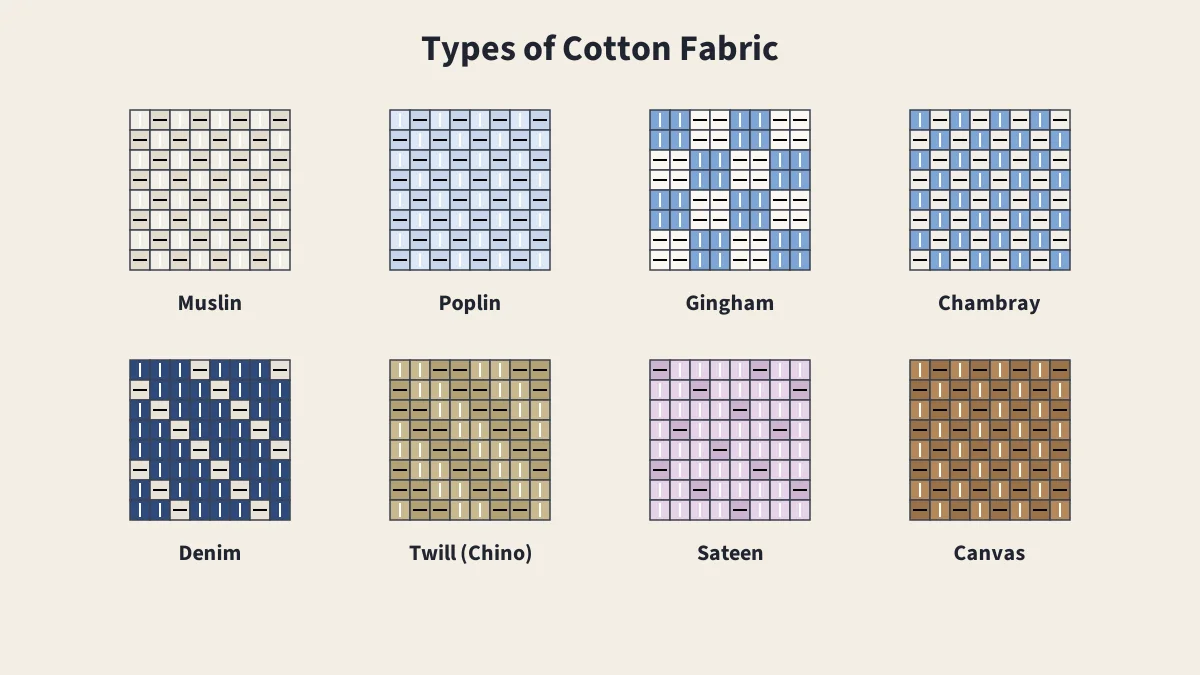
Types of Cotton Fabric
Muslin, poplin, gingham, chambray, denim, corduroy and more.
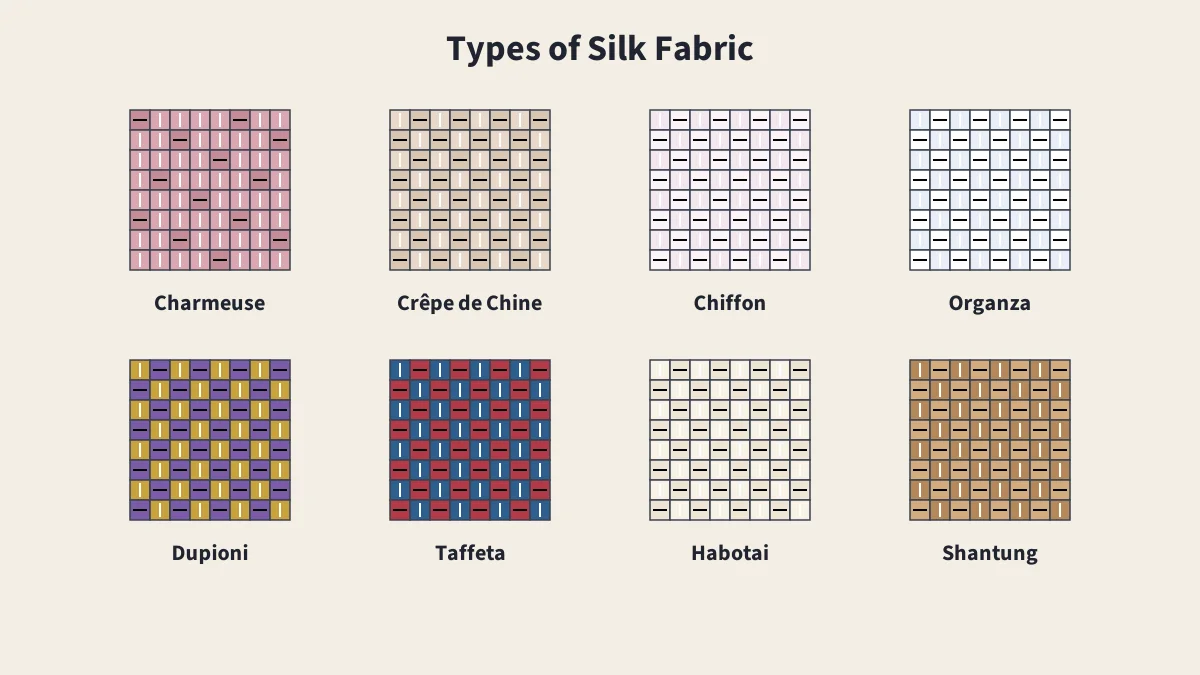
Types of Silk Fabric
Charmeuse, crêpe de chine, organza, dupioni, taffeta and more.
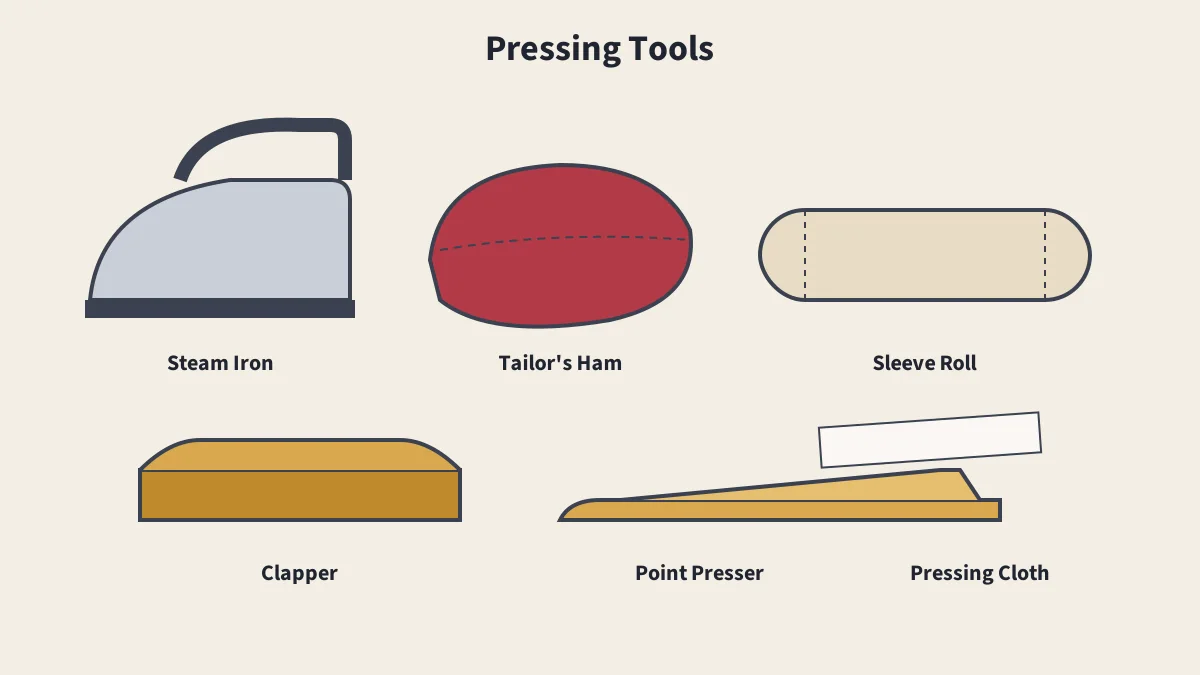
Pressing Tools
The iron, tailor's ham, sleeve roll, clapper and pressing cloth.