Nylon: The First Fully Synthetic Fiber (2026)
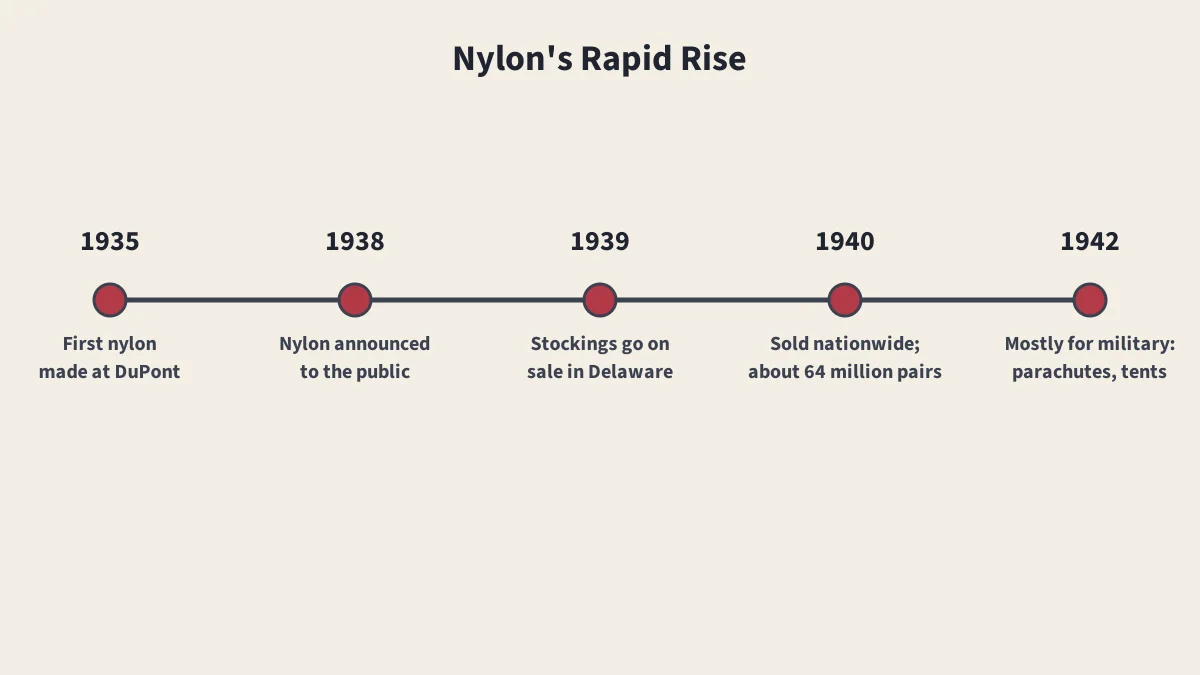
In 1940, American women bought about 64 million pairs of nylon stockings in a single year. Two years later, nylon went to war. The first fully synthetic fiber changed fashion, industry and the way we think about fabric.
In This Article
Nylon in Brief
- First made: February 28, 1935, at DuPont
- Main types: nylon 66 and nylon 6
- Strengths: strong, elastic, abrasion resistant
- Weak points: static, heat-sensitive, melts
- Uses: hosiery, swimwear, outerwear, luggage, thread
Nylon was the first fully synthetic fiber, made entirely from chemicals rather than from a natural material like wood. Its arrival in the late 1930s caused a sensation, and it remains one of the most important fibers for activewear, outdoor gear and hosiery. See natural vs. synthetic fibers.
Invention at DuPont
Chemist Wallace Hume Carothers led the DuPont research team that made the first nylon, nylon 66, on February 28, 1935. DuPont patented it in 1938 and announced it to the public in October of that year. Meanwhile in Germany, Paul Schlack at IG Farben developed nylon 6 in January 1938, a related fiber made from a different starting chemical.
The Stocking Sensation
Nylon stockings first went on sale in Wilmington, Delaware, in 1939, and nationwide in 1940. About 64 million pairs sold in the first year. Until then, fine stockings had usually been made of silk.
Nylon Goes to War
From February 1942, most nylon production was diverted to the military, mainly for parachutes and tents, which had previously relied on silk. Nylon stockings almost disappeared from shops, and some women drew seams up the backs of their legs to imitate them. Wartime shortages also changed home sewing; see feed sack dresses.
Properties
| Property | What It Means |
|---|---|
| Strong | Excellent for thread, webbing and luggage |
| Elastic | Recovers well, ideal for hosiery and swimwear |
| Abrasion resistant | Durable in bags, outerwear and carpets |
| Melts | Melts rather than burns; use low iron heat |
| Static | Prone to static buildup |
Common Nylon Fabrics
- Ripstop: a woven grid of thicker threads that stops tears spreading; used for outdoor gear.
- Tricot: a smooth warp knit for lingerie and linings; see types of knit fabric.
- Nylon-spandex blends: swimwear and activewear; see spandex.
- Tulle and net: often nylon; see sheer fabrics.
Sewing With Nylon
- Use a fine, sharp needle for wovens and a stretch needle for nylon-spandex knits.
- Use polyester or nylon thread.
- Press on the lowest setting with a pressing cloth, or finger-press seams.
- Seal cut edges of synthetic webbing carefully with heat to stop fraying.
For ripstop, membranes and other performance fabrics, see technical and outdoor fabrics.
Sources
- Nylon, Wikipedia
- Wallace Carothers, Wikipedia
Frequently Asked Questions
Who invented nylon?
Wallace Hume Carothers and his team at DuPont made the first nylon, nylon 66, on February 28, 1935. DuPont patented it in 1938. In Germany, Paul Schlack at IG Farben developed nylon 6 in January 1938.
Why is it called nylon?
DuPont's intended name was 'No-Run,' because the fiber was meant for stockings. The company changed it because the stockings were not actually run-proof, and the name evolved into 'nylon.'
What happened to nylon during World War II?
From February 1942, most nylon production went to the military, mainly for parachutes and tents, and nylon stockings became scarce.
What are nylon's main properties?
Nylon is strong, elastic and abrasion resistant. It melts rather than burns, and it is prone to static buildup.
Keep Reading
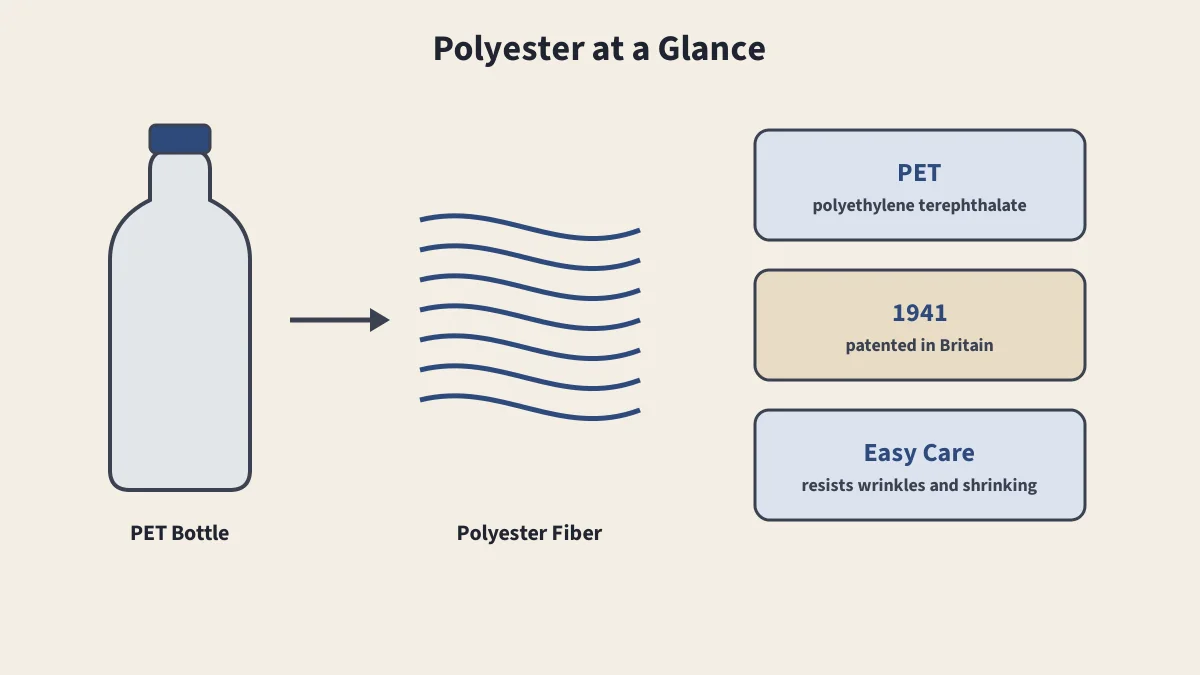
Polyester
What polyester is, its history, its pros and cons and how to sew it.
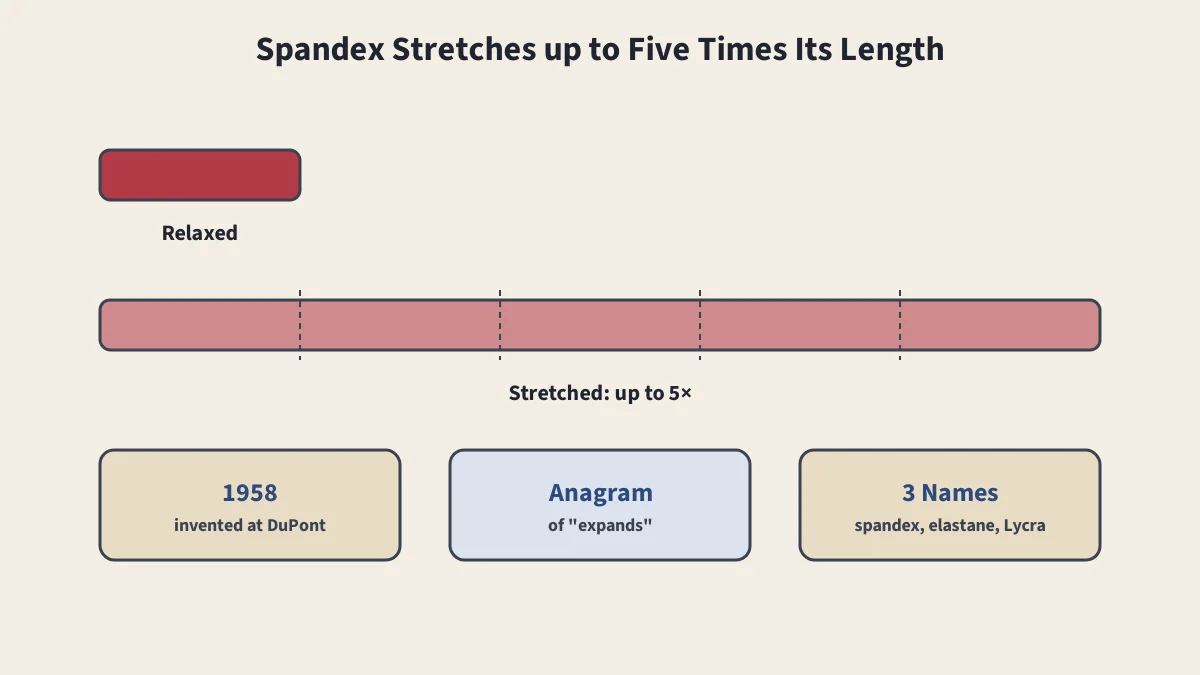
Spandex, Elastane and Lycra
The stretch fiber behind leggings, swimwear and stretch denim.
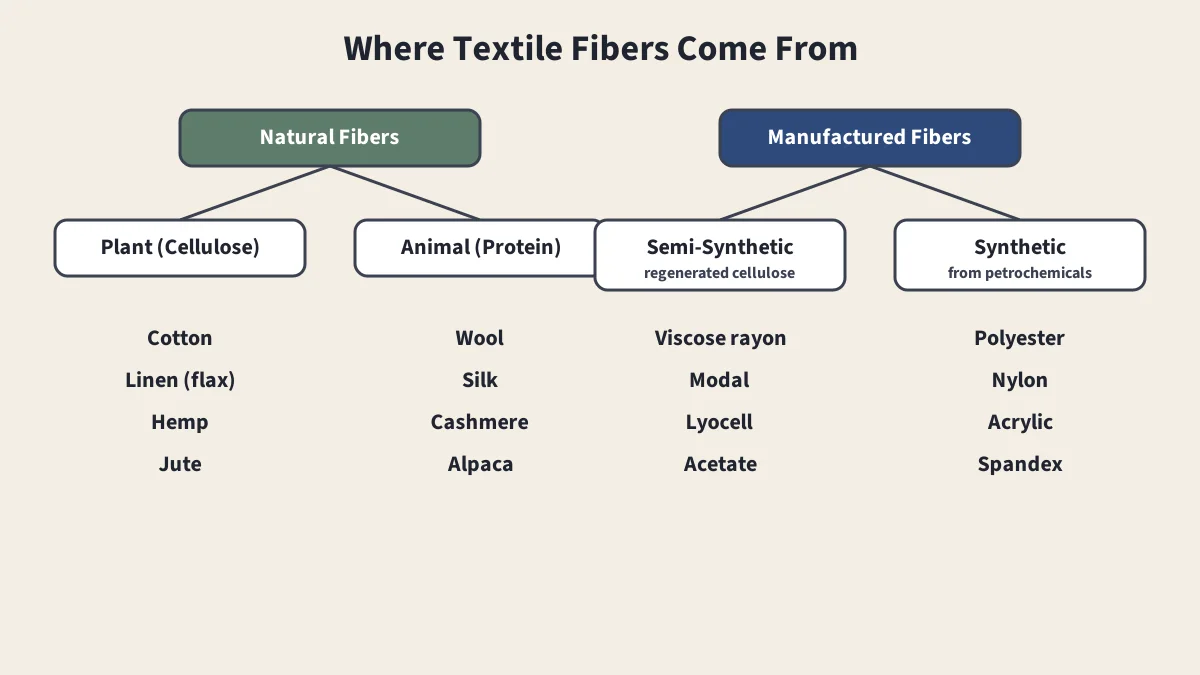
Natural vs. Synthetic Fibers
Plant, animal, semi-synthetic and synthetic fibers compared.
Feed Sack Dresses
How flour and feed bags became printed dress fabric for rural families.