Silk: The Fiber Spun by Silkworms (2026)
Silk is spun by caterpillars, guarded as a secret for millennia, and carried along trade routes that took its name. It shimmers because of the shape of its fibers and is among the strongest natural fibers.
In This Article
Silk in Brief
- Source: cocoons of the mulberry silkworm, Bombyx mori
- Made of: the protein fibroin, coated in sericin
- Origin: ancient China, about 8,500 years ago
- Top producers: China (about 54%) and India (about 14%)
- Character: lustrous, strong, smooth, drapes beautifully
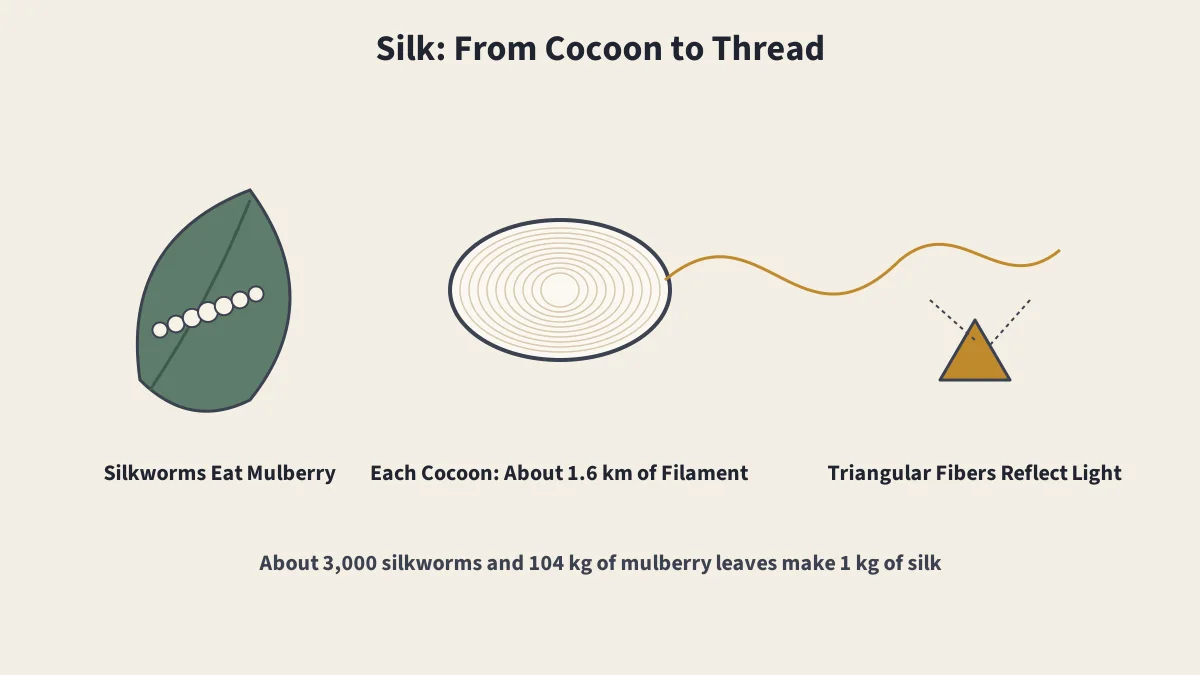
Silk is a natural protein fiber spun by insects, and the best-known silk comes from the cocoons of the mulberry silkworm, Bombyx mori. Each caterpillar spins about 1.6 km (one mile) of filament over two to three days, wrapping itself in a cocoon. Unwound and twisted together, those filaments become silk thread.
A Chinese Invention
Silk was first developed in ancient China. The earliest evidence is silk protein found in soil from two Neolithic tombs at Jiahu, in Henan province, dating back about 8,500 years. The oldest surviving silk fabric dates from about 3630 BC. Chinese tradition credits Empress Leizu with developing silk making.
For centuries, China kept sericulture, the raising of silkworms, to itself, while silk traveled west along the trade routes later named the Silk Road.
From Cocoon to Fabric
- Raising: silkworms are fed mulberry leaves until they spin cocoons.
- Softening: cocoons are soaked in hot water to soften the sericin gum that holds the filament together.
- Reeling: filaments from several cocoons are unwound together into raw silk thread.
- Degumming: much of the sericin is washed out, leaving soft, lustrous silk.
- Weaving or knitting into fabric.
It takes about 3,000 silkworms and 104 kg of mulberry leaves to make 1 kg of silk, and about 5,000 silkworms to make a pure silk kimono.
Why Silk Shines
Mulberry silk fibers are 5 to 10 micrometers wide with a roughly triangular cross-section and rounded corners. Their flat faces reflect light at many angles, creating silk's characteristic shimmer. Silk is about 75 to 80% fibroin, the structural protein, and the rest is sericin gum (sources vary on the exact proportions).
Properties
| Property | What It Means |
|---|---|
| Strong | One of the strongest natural fibers |
| Weaker when wet | Can lose up to 20% of its strength |
| Lustrous | Natural shimmer from its fiber shape |
| Comfortable | Light, smooth and pleasant against the skin |
| Delicate | Damaged by heat, sunlight and harsh detergents |
Wild Silks
Not all silk is cultivated. Wild silks, such as tussah, come from other moth species. Their fibers are often coarser and less uniform, and wild cocoons are frequently coated in minerals that make them hard to reel, giving wild silks a more textured, natural look.
Common Silk Fabrics
Silk is woven into chiffon, crêpe de chine, charmeuse, dupioni, organza, taffeta and satin, among many others. For weaves, see fabric weaves.
Sewing With Silk
- Use fine, sharp needles and fine thread, such as silk or fine polyester.
- Pin in the seam allowance with fine silk pins; see types of pins.
- Press at a low setting with a pressing cloth; see pressing tools.
- Use French seams on sheer silks; see types of seams.
For charmeuse, dupioni, taffeta and other silk cloths, see types of silk fabric.
Sources
- Silk, Wikipedia
- Sericulture, Wikipedia
Frequently Asked Questions
How is silk made?
Silkworms, the caterpillars of the moth Bombyx mori, spin cocoons of a continuous protein filament. The cocoons are softened, and the filaments from several cocoons are unwound together and reeled into raw silk thread.
Why is silk shiny?
Mulberry silk fibers have a roughly triangular cross-section with rounded corners. Their flat surfaces reflect light at many angles, which gives silk its natural shimmer.
How many silkworms does it take to make silk?
According to Wikipedia, producing 1 kg of silk takes about 3,000 silkworms eating 104 kg of mulberry leaves, and a pure silk kimono takes about 5,000 silkworms.
Is silk strong?
Yes. Silk is one of the strongest natural fibers, although it can lose up to 20% of its strength when wet.
Keep Reading
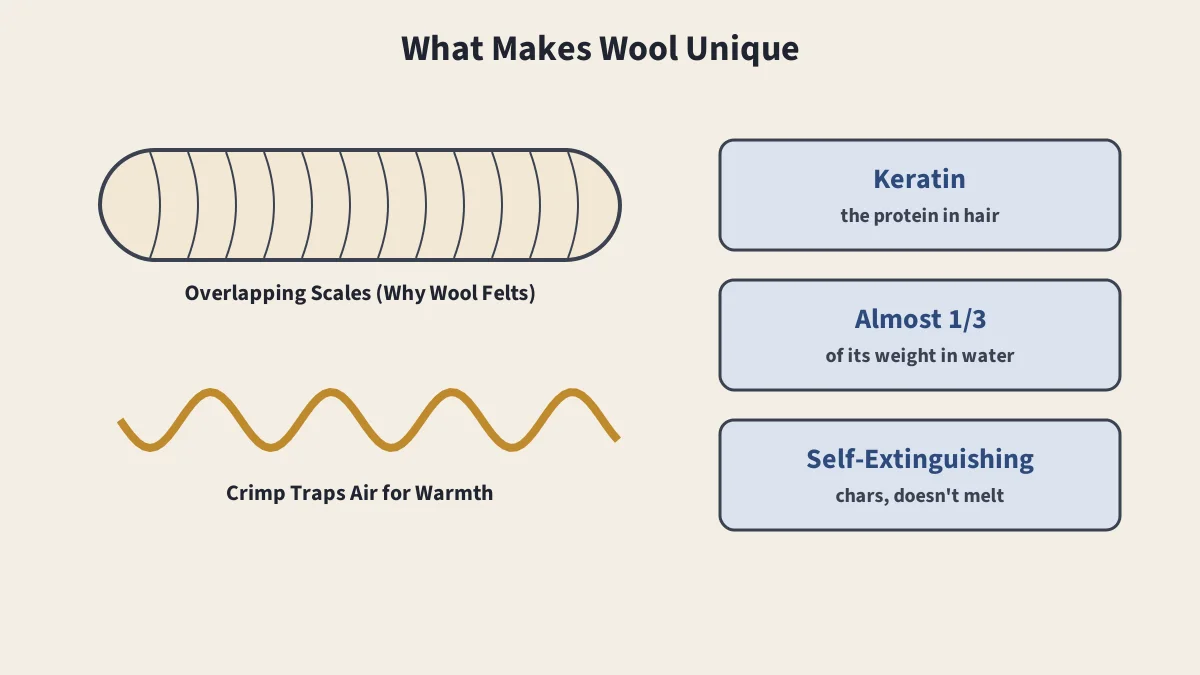
Wool
What wool is, why it is warm and felts, and how to sew it.
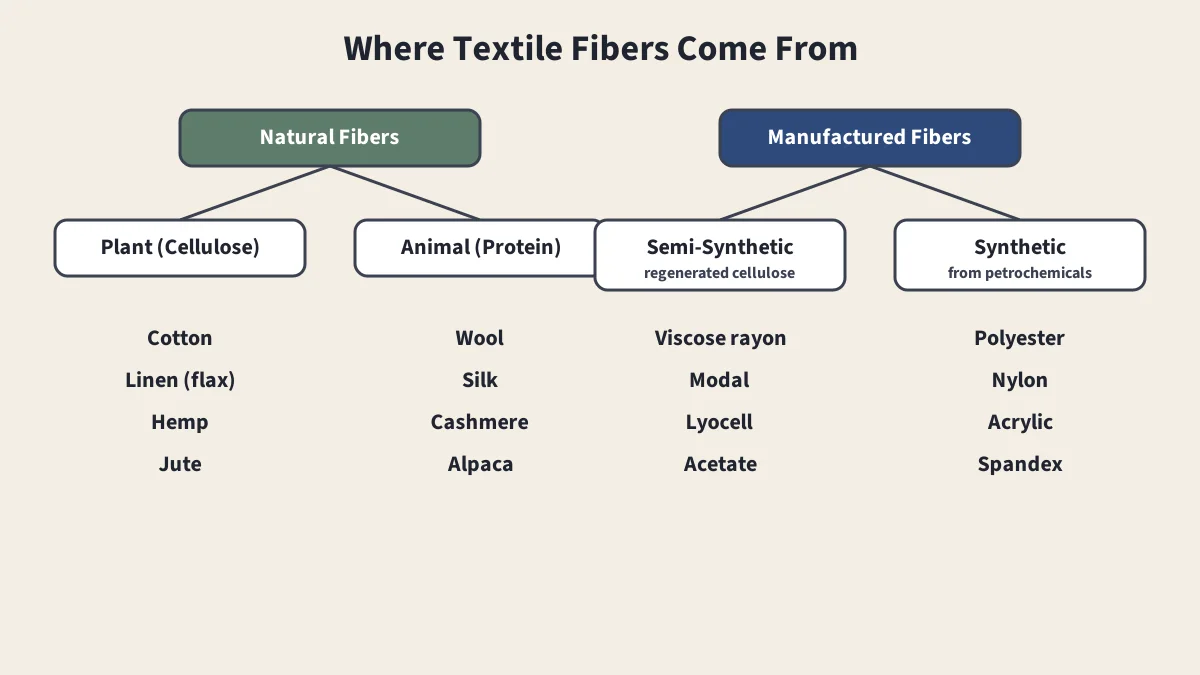
Natural vs. Synthetic Fibers
Plant, animal, semi-synthetic and synthetic fibers compared.
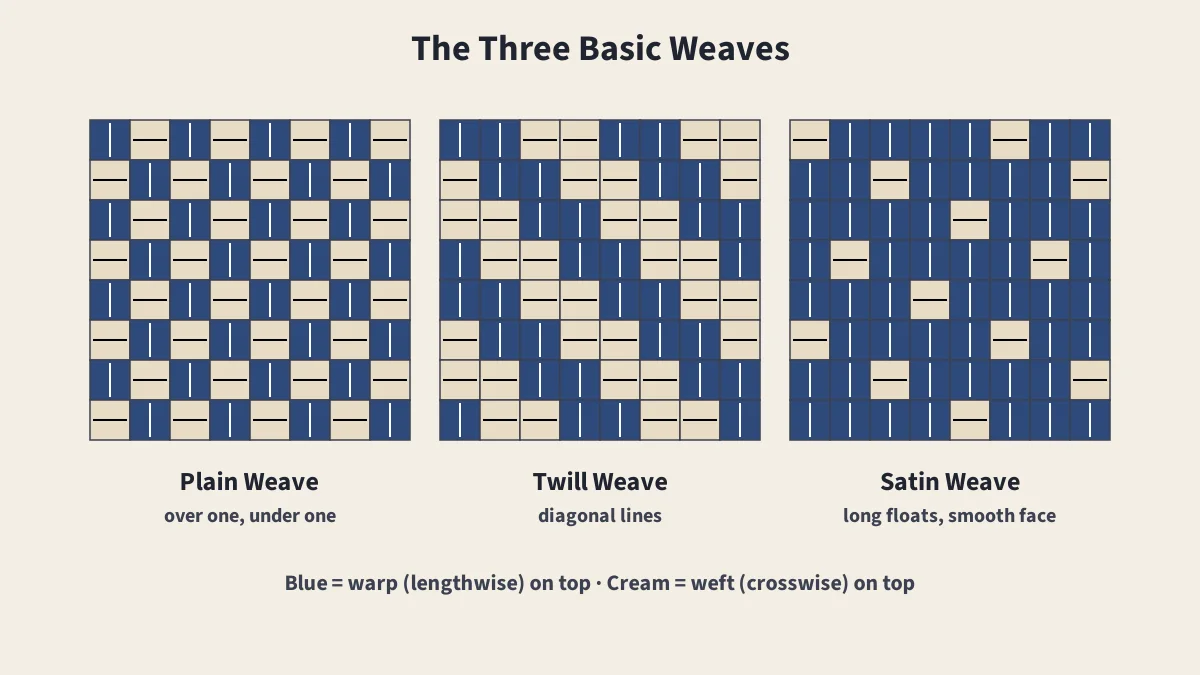
Fabric Weaves
Plain, twill and satin weaves, plus dobby and jacquard.
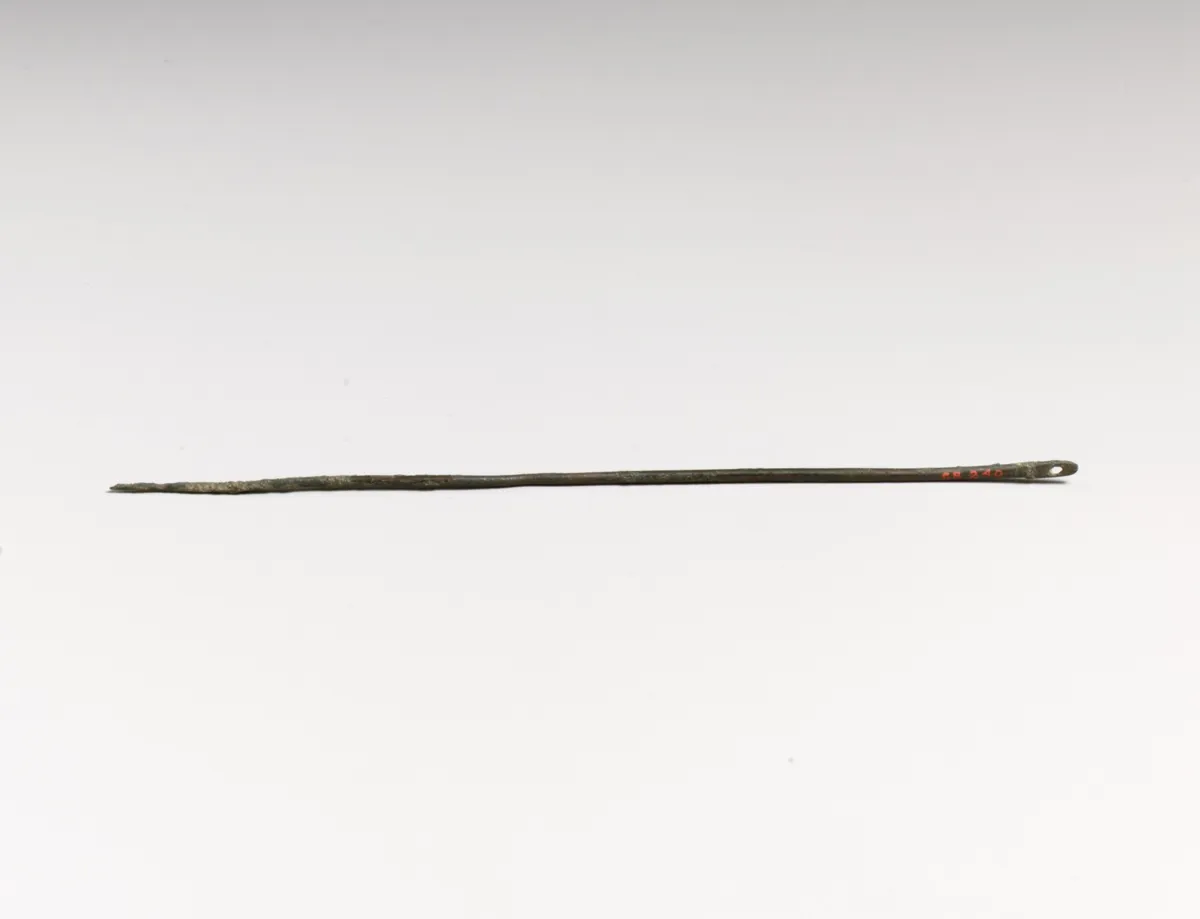
History of the Sewing Needle
From Denisovan bird bone to Redditch steel, the tool behind every stitch.